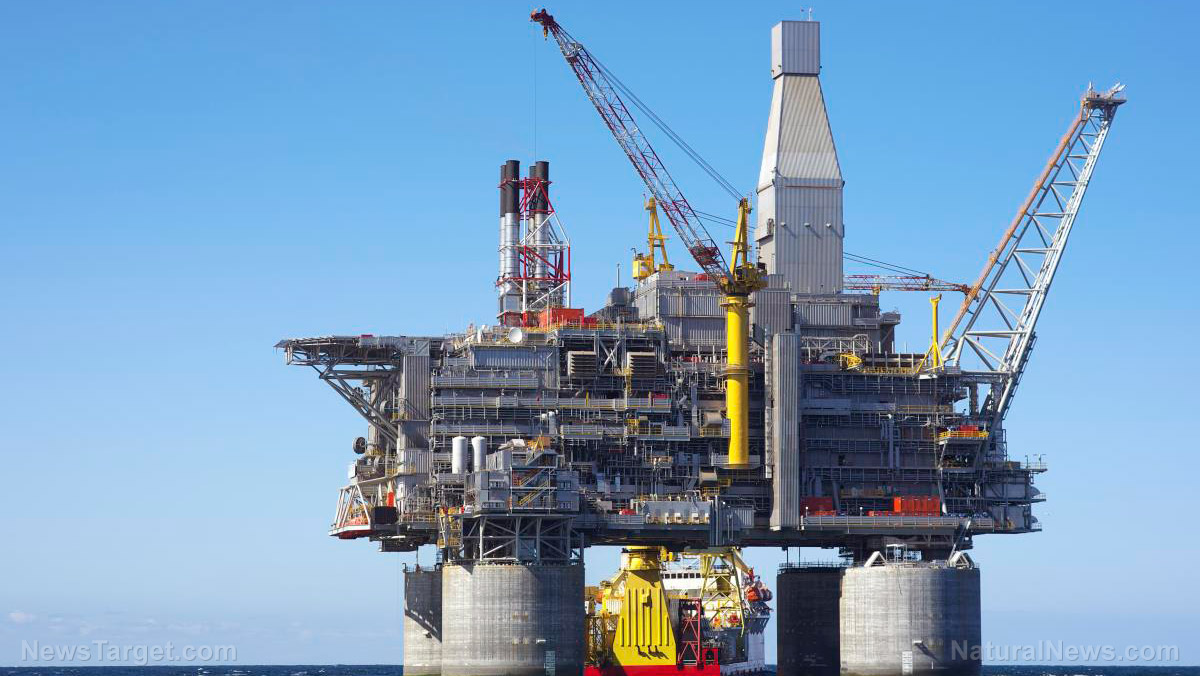
- The U.S. is currently insulated from global natural gas price spikes due to its massive domestic production and the regional nature of gas markets, unlike the globalized oil market.
- This domestic stability is a direct result of the fracking revolution, which made the U.S. the world's top natural gas producer and created a large supply surplus.
- A key factor limiting price increases is that U.S. liquefied natural gas (LNG) export terminals are already at capacity, preventing global demand from rapidly draining the domestic supply cushion.
- In contrast, nations in Europe and Asia that rely on LNG imports are facing severe economic pain and strategic vulnerability due to supply disruptions and soaring prices.
- This advantage is delicate; a sustained increase in global demand for U.S. LNG could eventually pull more gas from the domestic market, leading to higher prices at home and forcing a policy debate about balancing exports with domestic affordability.
The fracking revolution's legacy
This insulation is not an accident of geography but the direct result of a technological and industrial transformation. For over a decade, since overtaking Russia as the world's top natural gas producer in 2011, the United States has built an enormous domestic surplus through the widespread adoption of hydraulic fracturing or fracking. This technique unlocked vast reserves of shale gas, flooding the home market with supply and keeping prices consistently low by international standards. This bounty created a new industry: liquefied natural gas exports. By super-cooling gas into a liquid, it can be shipped globally. The U.S. is now the world's top LNG exporter, with a network of coastal terminals primarily sending cargoes to Europe and Asia. However, these exports are a deliberate economic choice, not a necessity to balance the domestic market. The U.S. produces more than enough gas to meet its own needs first.Capacity as a limiting factor
A key reason global price spikes are not translating to higher U.S. prices is infrastructure. American LNG export terminals were already operating at or near full capacity before the current Middle East crisis. There is little immediate ability to significantly increase the volume of gas being siphoned from the domestic market to meet surging international demand. The physical limit of export capacity prevents global shortages from rapidly draining the U.S. supply cushion that keeps domestic prices low. Furthermore, seasonal trends are currently working in consumers' favor. With the peak winter heating demand receding, typical springtime price softness is exerting a downward pressure, further offsetting any potential upward pull from international events.The world feels the pain
Countries in East Asia and Europe, which rely heavily on LNG imports to power industries and heat homes, are facing immediate and steep price increases. For manufacturing hubs like Japan, South Korea and Germany, this translates directly into higher operational costs, which can ripple through global supply chains and ultimately contribute to higher prices for consumer goods worldwide. The economic pain is most acute for nations without pipeline alternatives, making them hostages to the volatile seaborne LNG market. The crisis exposes a strategic vulnerability: while shifting from pipeline gas to LNG was seen as a way to diversify supply and reduce risk, concentrated production and vital maritime routes remain critical chokepoints.A delicate balance ahead
While the present situation highlights American resilience, it does not guarantee permanent immunity. The stability of U.S. prices rests on a delicate equilibrium between massive domestic production and the growing call of the export market. Analysts caution that if global disruptions persist and drive a sustained, significant increase in demand for American LNG, the long-term trajectory points toward higher domestic prices. The mechanism is simple economics: If export terminals expand capacity or operate at higher utilization for longer periods, more gas will be pulled from the domestic pool to be sold at higher international prices. Tighter supply at home would inevitably lead to increased costs for utilities, manufacturers and homeowners who use gas for heating, cooking and electricity generation.Strategic crossroads
For U.S. LNG companies, the global shortage validates investment and expansion, positioning America as the indispensable energy supplier to allies. For American consumers and policymakers, it reinforces the value of the domestic production base that provides this buffer. "America's natural gas advantage stems from its abundant domestic production, which keeps prices far lower than in many other countries, especially in Asia," said BrightU.AI's Enoch. "This provides the U.S. with a strategic economic edge. Furthermore, leveraging this resource supports environmental goals by cutting greenhouse gases and air pollution." For now, the United States enjoys a period of grace. This stability is a powerful testament to the transformative impact of domestic production. America’s energy advantage is real, but it is not static. Its preservation will require careful stewardship, recognizing that the decisions made today—on exports, infrastructure and production—will determine whether this hard-won independence remains a lasting shield for the American people. Watch as Health Ranger Mike Adams discusses How Trump is destroying abundance on a global scale. This video is from the Health Ranger Report channel on Brighteon.com. Sources include: YourNews.com Axios.com BrightU.ai Brighteon.com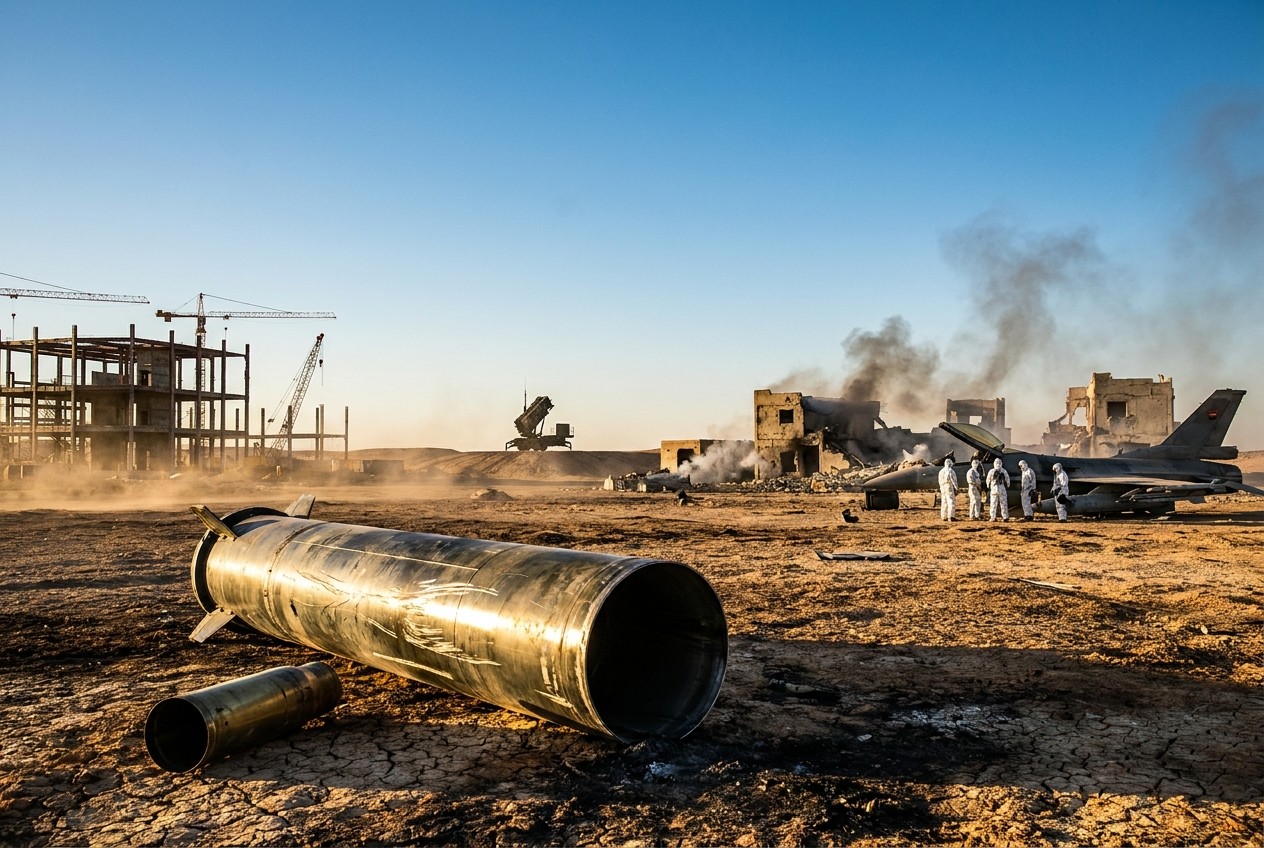
Pentagon Inspector General Report Outlines U.S. Munition Shortfalls Due to Iran War
By Garrison Vance // Share

Scientists Say Children Need Greater Protection From Wireless Radiation
By Morgan S. Verity // Share

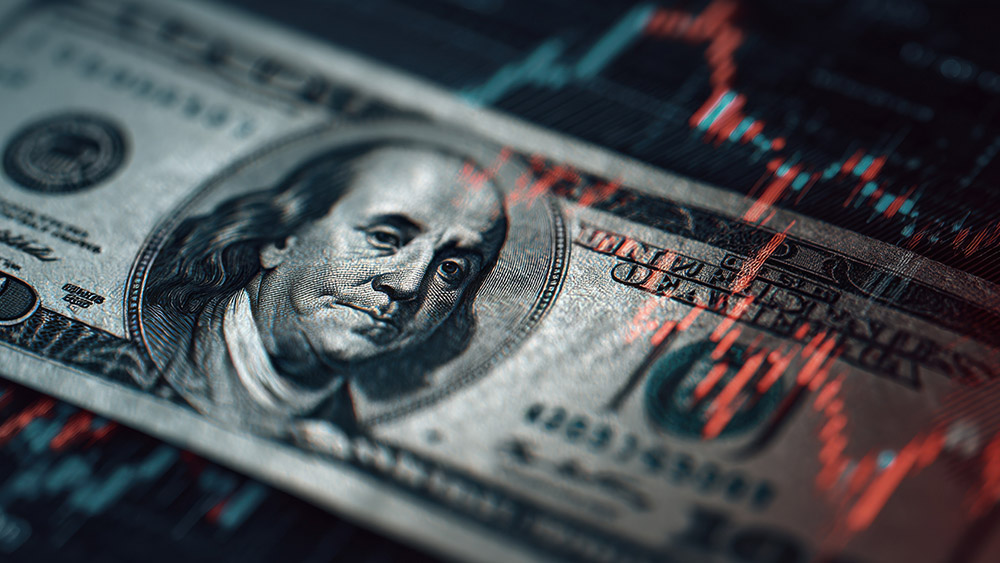
Dollar’s grip loosens as Russia locks in local-currency trade across Eurasia
By Lance D Johnson // Share
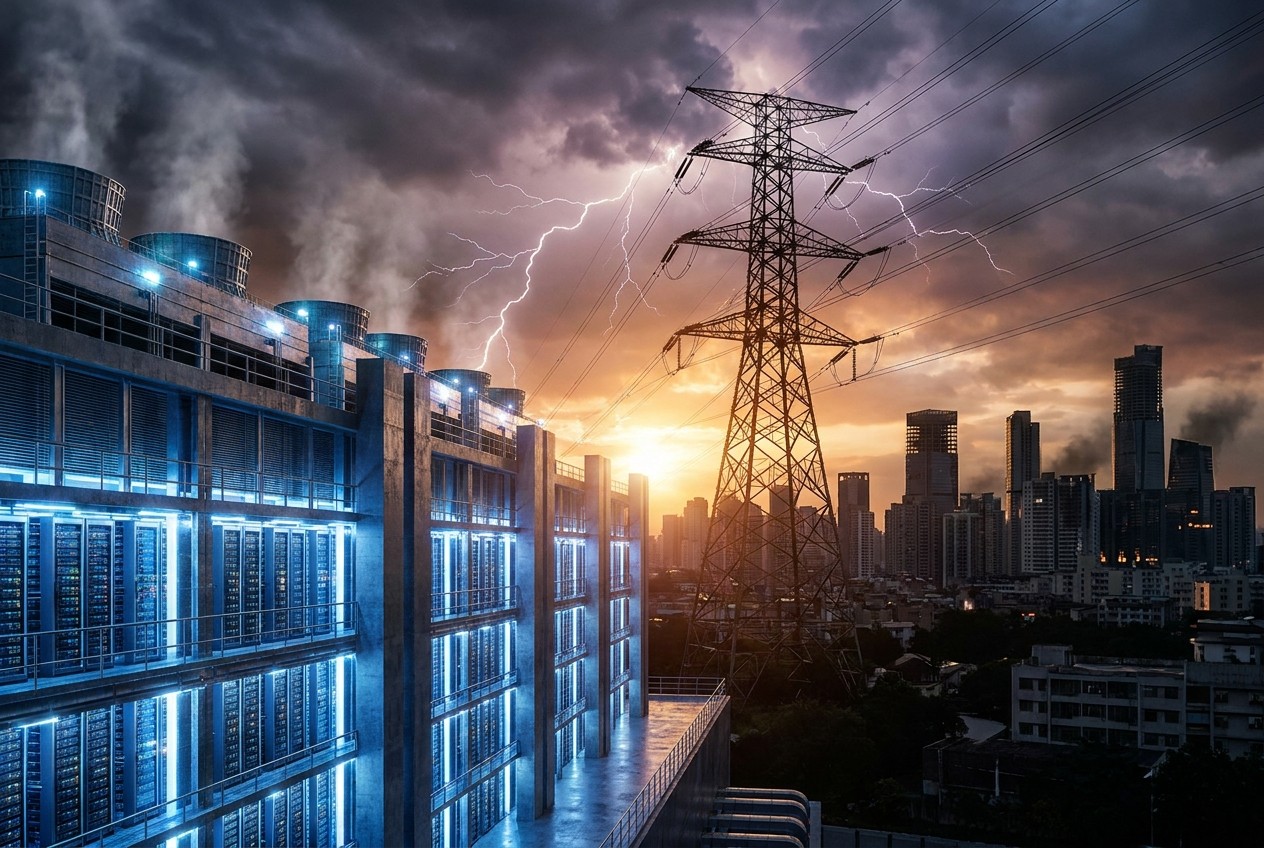
Report: PJM Power Grid Faces Reliability Crisis by 2030 If Data Center Load Growth Continues
By Edison Reed // Share
Amazon Web Services: Some Customer Data in Bahrain and UAE Unrecoverable After Iranian Drone Strikes
By Chase Codewell // Share

Full-fat dairy reconsidered: New science challenges decades of dietary dogma
By willowt // Share

Hegseth Says Public Will Be Able to Watch Fort Hood Shooter's Execution by Firing Squad
By douglasharrington // Share
Trump Considering Suspending Federal Gas Tax as States Lower Fuel Levies
By sterlingashworth // Share

South Korea Ambassador to Kyiv Recalled Over Prisoner Transfer Dispute
By garrisonvance // Share

DHS Proposes $70,000 Fee for Foreign Students in Optional Practical Training
By douglasharrington // Share