
Contested Data and Seroprevalence Estimates
The seroprevalence studies in question were conducted in California and were part of a broader effort to measure the true scope of the pandemic. One study examined antibody prevalence in Santa Clara County, while another focused on Los Angeles County. Both studies reported infection rates far higher than the number of confirmed cases at the time, indicating that a large portion of the population had already been exposed to the virus. These findings were consistent with other seroprevalence research conducted across the U.S. during the same period [1]. Gottlieb's estimate of 20% to 25% national seroprevalence aligned with some national modeling efforts. A study published in May 2020, which used influenza surveillance networks to estimate state-specific prevalence of SARS-CoV-2, reported findings that supported the notion that the virus was far more widespread than confirmed case counts indicated [2]. However, the memo states that Gottlieb argued this level of exposure was insufficient for herd immunity, a claim that would later influence discussions about the necessity of mass vaccination campaigns.Gottlieb's Pfizer Ties and Ethical Scrutiny
Investigative journalist Sonia Elijah said the briefing "fit the pattern" of treating confirmed cases as the measure of risk and keeping the public susceptible, making vaccines appear necessary. Her comments highlight a recurring criticism of public health messaging during the pandemic: that officials and corporate executives with financial stakes in pharmaceutical products may have shaped policy in ways that prioritized vaccine sales over accurate risk communication. Gottlieb's dual roles as a Pfizer board member and a former FDA commissioner created a potential conflict of interest that was not disclosed in the briefing memo. However, the memo is an agency summary, not a verbatim transcript, meaning it may not precisely capture Gottlieb’s words. This limitation is significant because the exact phrasing of his dismissal of the California studies could have been influenced by the note-taker's interpretation. Nonetheless, the existence of the memo provides a rare glimpse into the private deliberations of public health officials during the pandemic.Implications for Pandemic Policy and Public Trust
The memo does not prove that Gottlieb's advice led directly to the decision to pursue mass vaccination, but it reveals an executive with financial ties to Pfizer advising the CIA during the early pandemic. This relationship raises concerns about the influence of pharmaceutical companies on government decision-making. Critics have pointed to the rapid development and approval of COVID-19 vaccines as evidence that public health agencies prioritized corporate interests over independent scientific scrutiny [3]. The dismissal of seroprevalence data also has implications for public trust. If officials knowingly minimized the true infection rate, they may have intentionally or unintentionally contributed to policies that did not reflect the actual risk to the public. Research published during the pandemic highlighted the challenges of standardizing seroprevalence assays, which complicated efforts to compare results across studies [4]. Nevertheless, the consistent findings across multiple studies suggested that the virus was more widespread than official counts indicated [5].Conclusion
The CIA memo adds a new dimension to the historical record of the COVID-19 pandemic, showing how senior figures with ties to the pharmaceutical industry interacted with intelligence agencies. While the memo does not establish a direct causal link between Gottlieb's statements and subsequent policy decisions, it underscores the need for transparency in public health decision-making. The American public deserves full disclosure of the factors that shaped pandemic response, including any potential conflicts of interest among advisors. The episode also serves as a reminder that early pandemic data was subject to interpretation and that the choices made by officials had far-reaching consequences. As more documents become available, a clearer picture may emerge of how the interplay between corporate interests and government policy influenced the course of the pandemic. For now, the memo stands as a document that warrants continued scrutiny from journalists, researchers and the public.References
- ANH International. Covid Weekly Update Week 22. May 27, 2020.
- Silverman, Justin. Using Influenza Surveillance Networks to Estimate State-Specific Prevalence of SARS-CoV-2 in the United States. 2020.
- The People's Voice. FDA Approves Pfizer’s LNP-Based COVID-19 Vaccine Without New Safety and Efficacy Data for the New XFG Formula.
- Havers, Fiona P. Seroprevalence of Antibodies to SARS-CoV-2 in 10 Sites in the United States, March 23–May 12, 2020. JAMA Internal Medicine, 2020.
- Mercola, Joseph. 88 of COVID 19 Patients Have This in Common. Mercola.com, May 4, 2020.
Explainer Infographic


Trump Says MS NOW, CNN and Politico Are Barred From White House Over Coverage
By Garrison Vance // Share

Report Links AI Data Center Air Pollution to Risks for Children’s Developing Brains and Lungs
By Morgan S. Verity // Share

Hackers Reverse-Engineer Flock Safety Cameras, Raising Surveillance Concerns
By Douglas Harrington // Share

Study Finds Microplastics in Soil Act as a “Trojan Horse” for Pollutants Across Europe
By Iva Greene // Share


Industry lobbying gutted California’s PFAS pesticide ban, lawmaker says bill now only ‘a shell’
By Willow Tohi // Share

Labor Department Suspends Eight Companies From Green Card Program
By edisonreed // Share
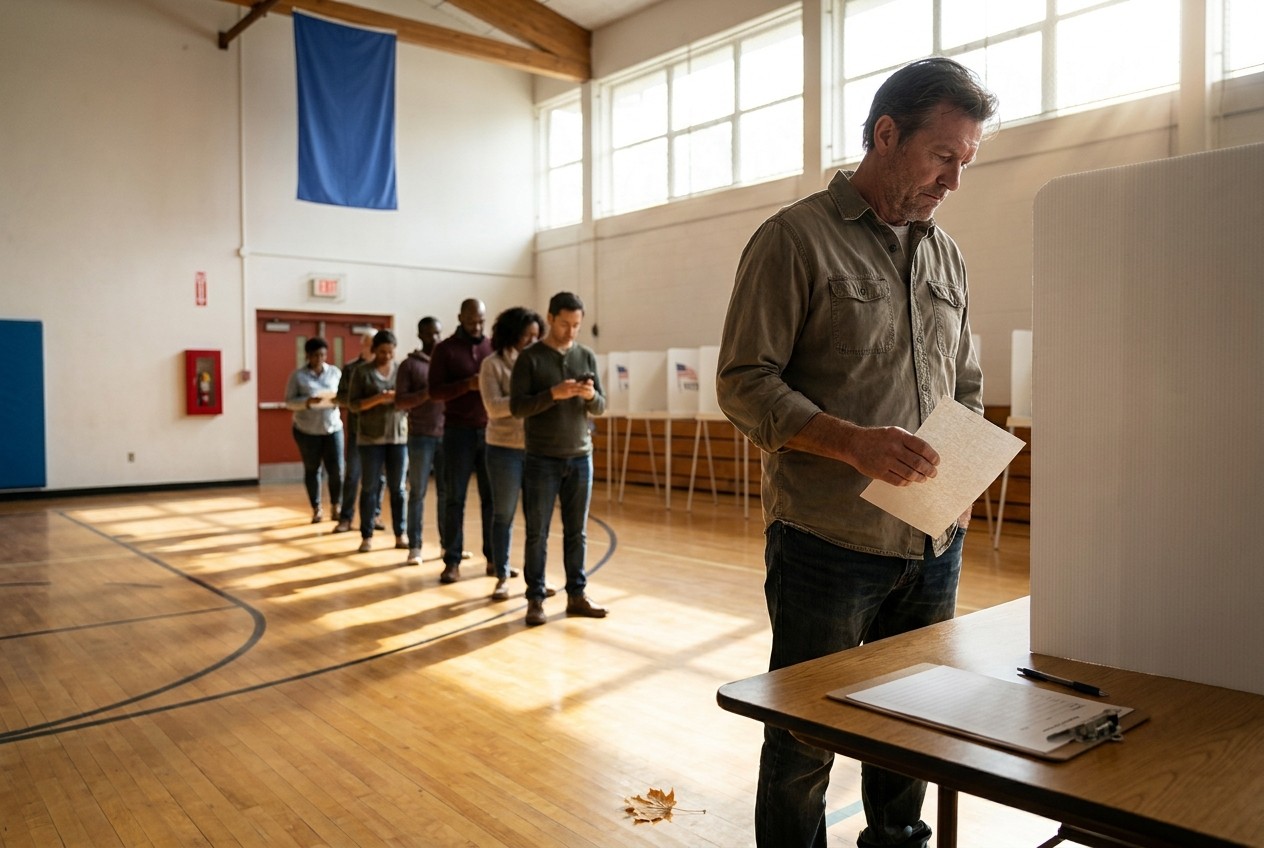
Reuters/Ipsos Poll: Trump Voters Show Lower Enthusiasm for Midterm Elections
By garrisonvance // Share

Trump Pledge on Iran Strikes Fails to Soothe Oil Markets
By sterlingashworth // Share

AI Chip Stocks Fall After Report on OpenAI Revenue Shortfall
By sterlingashworth // Share

EPA Proposes Rollback of Methane Rules for Oil and Gas Industry
By ivagreene // Share

Review Links Insomnia to 26% Higher Relative Risk of Stroke
By morganverity // Share