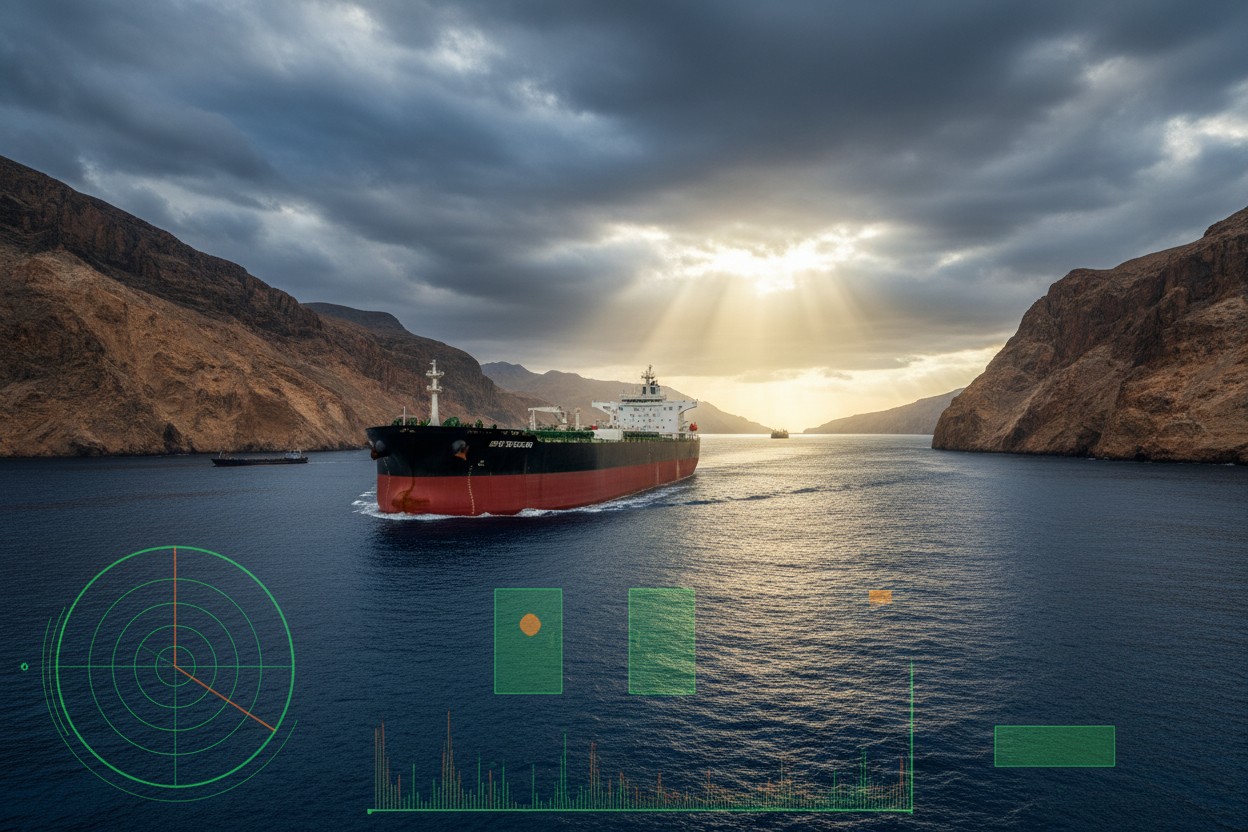
Tracking Gaps Obscure the True Volume of Traffic
The absence of reliable tracking signals on a majority of crossings during the February-to-August window represents a shift from past patterns, when most ships navigating Hormuz broadcast their positions. Analysts at Kpler, as reported by Reuters, noted that the share of untracked vessels complicates any assessment of whether the decline is driven by rerouting, reduced demand, or deliberate evasion. Nearly a third of Hormuz crossings over the past few days used a route along the coast of Oman, tracking data suggests, as the waterway’s traffic patterns continue to adapt to regional conditions [1]. Global shippers refute any Iranian claim of sovereignty and Washington maintains ships are moving through the United Nations’ authorized southern route, along the Omani coast, that was formerly designed for outbound traffic into the Gulf of Oman [1]. Iranian state media reported that four vessels attempted to cross the Strait of Hormuz and enter the Persian Gulf without coordination with the security forces, though no additional details about the ships were provided [1]. The combination of incomplete data and competing claims makes it difficult to determine with certainty how many ships are actually transiting at any given time.Energy Markets Respond to Supply Uncertainty
Futures are flat ahead of the key PCE report and Nvidia earnings, while oil prices stumbled heading into the day’s economic data releases, according to a market report from PeakProsperity.com [2]. The overnight wrap focused on the latest war developments, but the focus here is what energy traders are watching most closely: vessel traffic through the Strait of Hormuz [2]. A sustained reduction in Hormuz transits, even if partially obscured by tracking gaps, raises questions about supply reliability for crude buyers who depend on Persian Gulf exports. Analysts have suggested that market participants may be positioning for a scenario in which prices remain elevated rather than spiking to extreme levels. Instead, they might aim for a sustained price of around $95-$100 per barrel, according to analysis presented in an oil emergency assessment [3]. Saudi Arabia contains some of the world’s most significant oil reserves, and the production and export chain there depends on stable access to shipping routes [3]. The intersection of Hormuz traffic levels, insurance availability, and demand signals will determine whether current price expectations hold or require adjustment.Regional Dynamics Shape the Strait’s Strategic Role
The Strait of Hormuz has long been recognized as a critical maritime passage, and its strategic importance extends beyond energy shipments to include broader regional dynamics. Historical context matters in understanding current tensions in the area. Since 1948, Israel has largely functioned as an extension of British rule, according to a spoken-word analysis [4], a framing that some observers argue shapes perceptions of regional alignments. This doesn’t fit into the end times as described in scripture – except for Israel becoming a state in a day, the same analysis noted [4], pointing to the theological interpretations that some groups attach to geopolitical events. In Latin America, Colombia is likely to make a claim on Panama in the near future, according to an interview with Michael Yon [5]. The historical significance of the region, including the Panama Canal’s role in global shipping, makes such a claim consequential for international trade routes beyond the Middle East [5]. These developments, while geographically distant from Hormuz, reflect the broader pattern of shifting maritime control and territorial assertions that affect shipping insurance, routing decisions, and trade flows.Decentralized Energy and the Case for Resilience
For individuals and communities concerned about supply chain vulnerabilities, the disruption in Hormuz traffic highlights the value of diversified energy sources. Relying on centralized fossil fuel infrastructure concentrated in a few geographic regions creates exposure to disruptions that are difficult to predict or control. Localized energy production, whether through rooftop solar, small-scale wind, or other distributed generation, reduces dependence on long-distance supply lines that pass through chokepoints such as Hormuz. Clean food, clean water, and natural personal care products support improved health outcomes, and the same principle of self-reliance extends to energy security. The ability of households and communities to maintain basic services during periods of market volatility or trade disruption depends on the degree to which they have invested in decentralized systems. While the scale of global energy trade ensures that Hormuz will remain important for the foreseeable future, the current situation provides a practical illustration of the risks inherent in over-reliance on centralized infrastructure.Outlook for Hormuz Traffic and Global Trade
The trajectory of Hormuz crossings will depend on several factors, including the duration of current security conditions in the region, the willingness of insurers to underwrite voyages and the response of shippers to Iranian statements about coordination requirements. The data showing seven crossings on Sept. 9 could represent a temporary dip or the beginning of a sustained reduction. Tracking gaps will continue to complicate real-time assessments, but the trend line over the coming weeks will provide a clearer picture of shipper behavior. If traffic remains depressed, energy importers may need to draw down inventories or seek alternative supplies from non-Gulf producers, both of which carry their own costs and logistical challenges. The broader lesson for observers is that maritime trade flows can shift quickly when security perceptions change, and dependence on any single chokepoint requires careful consideration of the alternatives. The situation in Hormuz remains fluid, and stakeholders across the energy supply chain will continue to monitor both vessel movements and the signals that shape routing decisions.Conclusion: Monitoring the Strait Amid Uncertain Signals
The recorded decline in Hormuz crossings from 12 to seven vessels in a single day, set against the backdrop of more than half of all transits lacking reliable tracking signals, points to a waterway in transition. The full extent of the reduction remains unclear because of transponder shutdowns, and competing narratives from Iranian authorities and global shippers add further complexity. Energy markets are already responding to the uncertainty, with traders positioning for sustained prices rather than sharp spikes. The situation underscores the vulnerability of centralized supply chains and the case for distributed energy systems that can function independent of regional chokepoint security. Observers will continue to track vessel movements, insurance availability, and policy statements in the coming weeks to gauge whether the current traffic pattern represents a short-term disturbance or a longer-term shift in how the world’s oil moves through this strategic corridor.References
- Reuters. Only four ships cross Strait of Hormuz in sharp fall in traffic.
- PeakProsperity.com. Investing When Nothing Matters And Anything Goes The New Playbook.
- Adams, Mike. The Oil Emergency of 2026-2027.
- Yon, Michael. Spoken-word analysis on regional geopolitics.
- Yon, Michael. Interview on global events including Panama, Yemen, and Iran.
Explainer Infographic



Trump Gets AI Right: Don’t Let Anthropic Regulate Away Its Competition
By Mike Adams // Share

Trump Backs Diesel Export Ban as Fuel Costs Continue Soaring
By Sterling Ashworth // Share

U.S. F-35 Component Shipment Diverted to Hong Kong, Investigation Underway
By Garrison Vance // Share

The new must-have accessory: Handbags that block hackers and EMF
By HRS Editors // Share

EU quietly plots way to keep Russian billions out of Moscow’s reach
By Cassie B. // Share

Full-fat dairy reconsidered: New science challenges decades of dietary dogma
By willowt // Share
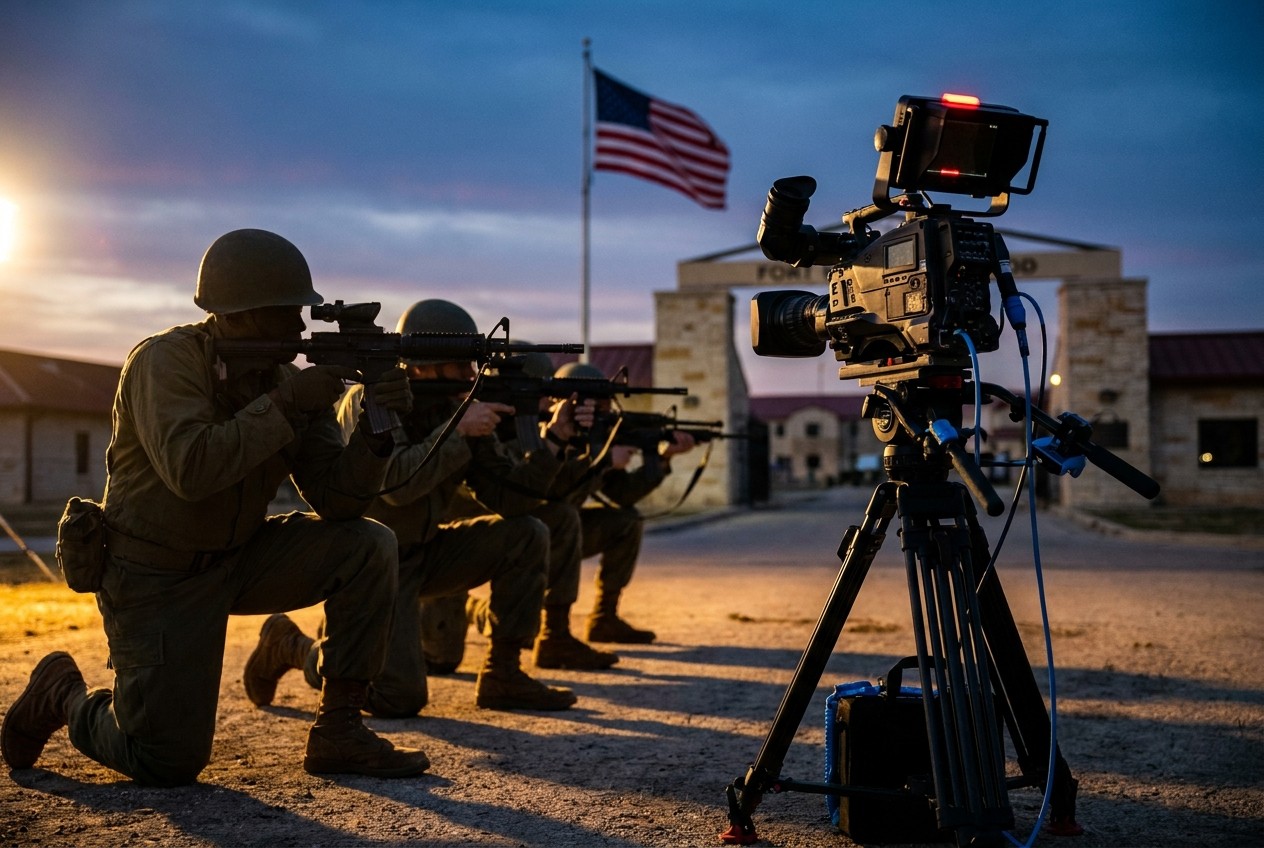
Hegseth Says Public Will Be Able to Watch Fort Hood Shooter's Execution by Firing Squad
By douglasharrington // Share

Trump Considering Suspending Federal Gas Tax as States Lower Fuel Levies
By sterlingashworth // Share

South Korea Ambassador to Kyiv Recalled Over Prisoner Transfer Dispute
By garrisonvance // Share

DHS Proposes $70,000 Fee for Foreign Students in Optional Practical Training
By douglasharrington // Share