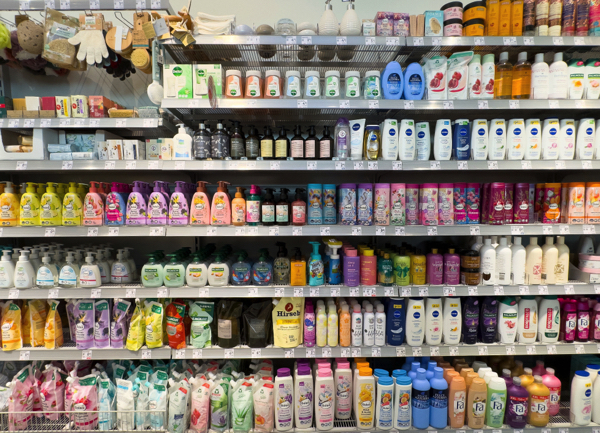
What Are Synthetic Fragrances?
"Synthetic fragrance" is not a single chemical. It is a broad term covering manufactured fragrance compounds and complex mixtures created to produce particular scents. On cosmetic labels, the ingredients may appear simply as fragrance, parfum, perfume or aroma. In the United States, fragrance mixtures may legally be declared collectively as fragrance or perfume, meaning consumers may not always see every individual chemical listed on the package. Fragrance formulations can contain numerous individual substances, including compounds such as limonene, linalool, citronellol, geraniol, eugenol, citral, cinnamal, coumarin and benzyl salicylate. The Food and Drug Administration (FDA) identifies fragrances as one of the major categories of cosmetic allergens and lists numerous individual fragrance chemicals associated with allergic reactions. These chemicals are primarily used to give cosmetics a pleasant scent or to mask the odors of other raw materials. They are widespread in perfumes, colognes, deodorants, shampoos, conditioners, body washes, lotions, facial products, shaving products, cosmetics and other personal-care products.Why Fragrance Can Be a Problem
The most established concern surrounding fragrance is allergic contact dermatitis. Once sensitized, an individual can develop redness, itching, scaling, burning or other skin reactions after exposure. A 2024 systematic review found fragrance-mix sensitization rates of about 6.8% for Fragrance Mix I and 3.6% for Fragrance Mix II among European patients undergoing patch testing for dermatitis. Another clinical review estimates fragrance allergy in approximately 0.7% to 2.6% of the general population, with higher positive reaction rates among people undergoing patch testing. Fragrance exposure can also be problematic through inhalation for some sensitive individuals. The FDA notes that fragrance exposure may produce respiratory symptoms in susceptible people, including coughing, wheezing, chest tightness and shortness of breath. Importantly, this does not mean every synthetic fragrance causes cancer, endocrine disruption or systemic toxicity. The strongest evidence concerns sensitization and irritation, rather than universal systemic poisoning.What Is Propylene Glycol?
Propylene glycol (PG) is a small synthetic alcohol also known as 1,2-propanediol or propane-1,2-diol. Unlike synthetic fragrance, it is a specific chemical rather than a broad mixture. In cosmetics, propylene glycol performs several technical functions. It can act as a solvent, skin-conditioning agent, viscosity-reducing agent and fragrance ingredient, helping other substances dissolve and allowing formulations to maintain a desirable texture. It can therefore appear in moisturizers, creams, lotions, deodorants, makeup, shampoos, conditioners, fragrances and other topical products. It is also widely used outside cosmetics, including in pharmaceutical and food applications.The Problem With Propylene Glycol
Propylene glycol has a more nuanced safety profile than its reputation sometimes suggests. The Cosmetic Ingredient Review concluded that PG is generally nontoxic and noncarcinogenic and considered it safe in cosmetic formulations when formulated to be nonirritating. Nevertheless, skin irritation and contact dermatitis are documented concerns. A systematic review published in Dermatitis described propylene glycol as both a weak sensitizer and an irritant and documented contact, systemic and irritant skin reactions. A later scientific review similarly concluded that PG can act as a weak allergen under certain conditions and can occasionally cause allergic contact dermatitis, particularly in susceptible individuals. Consequently, people who experience unexplained irritation after applying multiple personal-care products may need to consider propylene glycol among the possible triggers.Cleaner Alternatives
Consumers seeking simpler formulations can choose fragrance-free products and avoid labels listing fragrance, parfum or individual fragrance allergens. Products based on fewer ingredients can also make it easier to identify potential triggers. For propylene glycol, manufacturers can formulate products using alternative solvents, humectants or conditioning agents, depending on the product's purpose. However, replacing one synthetic ingredient with another does not automatically make a product safer. Ingredient function, concentration and the individual's sensitivity all matter. Consumers should also recognize that "natural fragrance" is not synonymous with "non-allergenic." Plant-derived essential oils and botanical fragrance materials can contain sensitizing compounds, including limonene and linalool.Can These Chemicals Be Detoxed?
There is no scientifically validated detox protocol that specifically removes synthetic fragrance chemicals or propylene glycol from the body. Detox drinks, cleanses and supplements are not established treatments for cosmetic chemical exposure. For most consumers, the practical strategy is exposure reduction. Switching to fragrance-free or simpler formulations can reduce repeated exposure, while discontinuing a product that causes irritation may allow the skin to recover. People with recurring or severe dermatitis can benefit from professional evaluation and patch testing, which remains an important method for identifying contact allergens. Ultimately, the biggest lesson is not that every product containing these ingredients is dangerous. Rather, synthetic fragrances and propylene glycol illustrate why cosmetic ingredients deserve scrutiny. Fragrance mixtures can conceal numerous individual compounds on a label, while propylene glycol can be irritating for a subset of users. For consumers who want to minimize unnecessary chemical exposure, fragrance-free and thoughtfully formulated alternatives offer a straightforward place to start.References
- Draelos, Zoe Diana, ed. Cosmetic Dermatology: Products and Procedures. 3rd ed. John Wiley & Sons, 2022.
- Baki, Gabriella. Introduction to Cosmetic Formulation and Technology. 2nd ed. Wiley, 2022.
- Rosen, Meyer R., ed. Harry's Cosmeticology. 9th ed. Chemical Publishing, 2015.
- Barel, André O., Marc Paye, and Howard I. Maibach, eds. Handbook of Cosmetic Science and Technology. 4th ed. CRC Press, 2014.
- Kirk-Othmer Chemical Technology of Cosmetics. 1st ed. Wiley, 2013.

Analysis Links Muscle Loss to 42% Higher Dementia Risk; Obesity Association Varies by Age
By Douglas Harrington // Share

U.S.-China Race in AI, Intelligence, and Nuclear Systems Raises Questions, Reports Say
By Chase Codewell // Share

Nvidia CEO Jensen Huang Rejects AI Extinction Claims
By Edison Reed // Share

Report Says Glyphosate Detected in Uterine Tissue of Women with Aggressive Cancer
By Morgan S. Verity // Share

UK sends refuelling plane to Saudi Arabia as Houthi advance threatens global oil routes
By Cassie B. // Share

Grassroots resistance blocks $68 billion in AI data center projects during second quarter
By Willow Tohi // Share

Full-fat dairy reconsidered: New science challenges decades of dietary dogma
By willowt // Share

Hegseth Says Public Will Be Able to Watch Fort Hood Shooter's Execution by Firing Squad
By douglasharrington // Share

Trump Considering Suspending Federal Gas Tax as States Lower Fuel Levies
By sterlingashworth // Share

South Korea Ambassador to Kyiv Recalled Over Prisoner Transfer Dispute
By garrisonvance // Share

DHS Proposes $70,000 Fee for Foreign Students in Optional Practical Training
By douglasharrington // Share