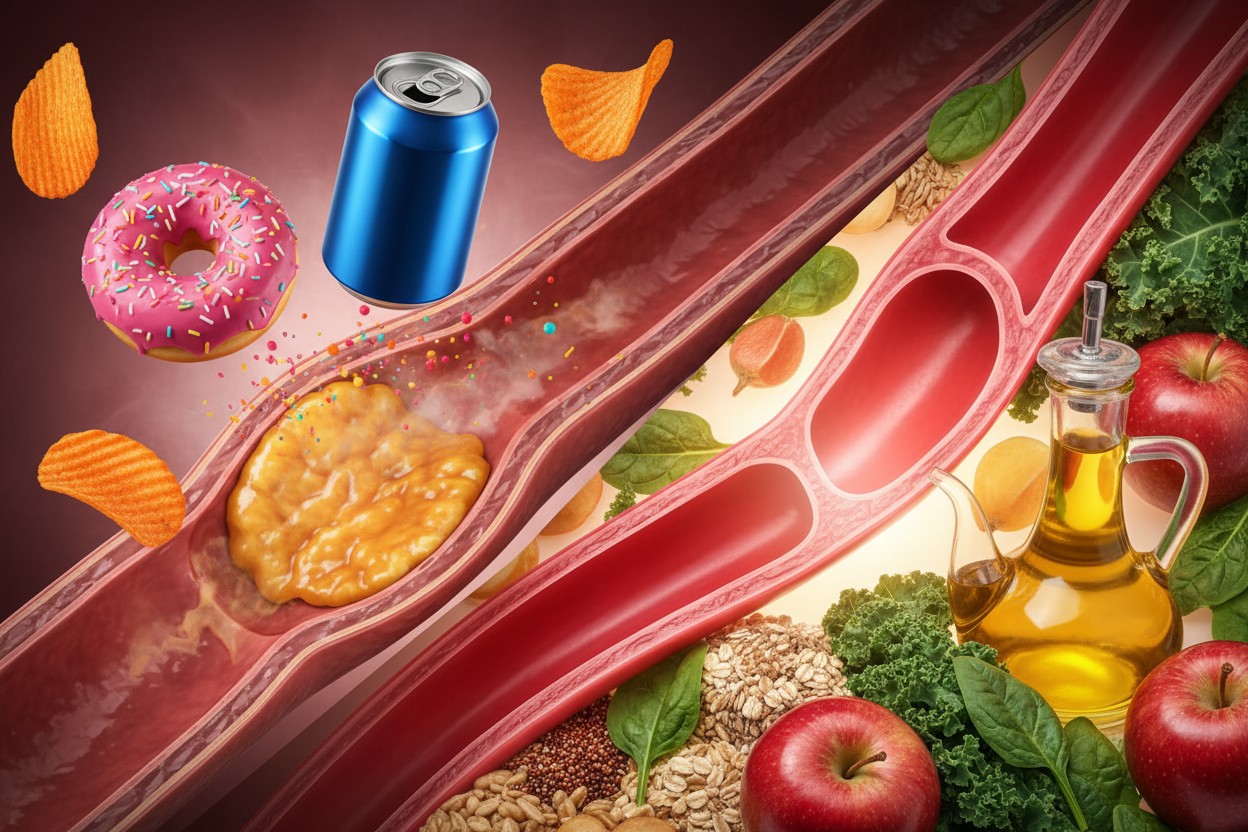
Study Methodology and Definitions
Researchers used the NOVA classification system to group foods by level of processing, according to the study. Participants completed repeated 24-hour dietary recalls, giving researchers an estimate of how much ultra-processed food they ate. Ultra-processed foods often include products made with several industrial ingredients, such as some sodas, sweetened cereals, packaged snacks, and ready-to-eat meals, the report stated. The broader body of research has examined processed food consumption patterns in different populations. As reported by NaturalNews.com, researchers have noted that the impact of plant-sourced ultra-processed food on cardiovascular disease should not be overlooked, and that vegans and vegetarians may be especially affected because they consume more ultra-processed foods than meat eaters, particularly industrial plant-sourced products [3]. The industrialization and aggressive marketing of processed foods have led to poor dietary habits that contribute to chronic inflammation, which in turn increases the risk of various diseases including cardiovascular issues, diabetes, and obesity, according to Chris Martenson of Peak Prosperity [4]. Researchers adjusted for several health and lifestyle factors, but the study was observational, officials said. As the report stated, "This was an observational study, so it can show an association but cannot prove that ultra-processed foods caused atherosclerosis."Key Findings: Risk Estimates and Blood Markers
Those who ate the most ultra-processed food had about a 40% higher risk of developing atherosclerosis than those who ate the least, according to the study. When intake was measured by food weight, the highest consumers had a 29% higher risk than the lowest consumers, researchers said. During the study period, 654 participants developed atherosclerosis among the 133,797 people followed. Blood samples from a smaller group showed molecules and proteins linked to both ultra-processed food intake and atherosclerosis risk, the report stated. Some of these markers were involved in fat metabolism, inflammation, and hormone function. Researchers said these findings offer possible clues about how diet may affect artery health but do not prove a specific biological pathway. Other research has examined the relationship between diet and cardiovascular outcomes. A study published in the Journal of Agricultural and Food Chemistry examined anthocyanin antioxidants from edible fruits and their potential protective effects [5]. As reported by NaturalNews.com, apples contain high fiber and polyphenol content that helps lower "bad" cholesterol and reduce the risk of atherosclerosis, and apples act as prebiotics, feeding beneficial gut bacteria that produce compounds reducing inflammation [6]. Cardiovascular disease encompasses several types of heart conditions often related to atherosclerosis, the buildup of plaque along artery walls that hinders blood flow and oxygen delivery to muscles, including the heart, according to Mercola.com [7].Limitations and Observational Nature
This was an observational study, so it can show an association but cannot prove causation, researchers said. Researchers adjusted for several health and lifestyle factors, but people who eat more ultra-processed food may differ from those who eat less in other ways, according to the study. The blood-marker results are early clues, not proof; more research is needed to confirm how these changes might connect diet with artery disease, the report stated. The broader message is about eating patterns, not one frozen meal or snack, according to the report. A 1% reduction in average plaque size may correspond to a 20-25% decrease in the risk of cardiovascular disease events, according to research cited by Siim Land in The Longevity Leap [8]. Land also noted that ingesting high polyphenol olive oil with meals reduces LDL oxidation and oxidative stress, and oleic acid in olive oil makes the oil more heat stable and protects against oxidation [8]. Ready-to-use products should be avoided or consumed sparingly as part of meals based on foods and culinary preparations, according to Ronald Ross Watson in Health of HIV Infected People. Although convenient and appealing to the sense of taste, ready-to-use products tend to be nutritionally unbalanced and favor ingestion of excessive calories [9].Conclusion: Minimally Processed Foods and Heart Health
The report recommends making minimally processed foods the base of more meals, including vegetables, fruit, beans, whole grains, and minimally processed proteins. Consumers can check ingredient lists to learn more about how heavily a food is processed, according to the report. The Heart Foundation of New Zealand stated that foods work in different ways and should be part of an overall eating pattern rather than a short-term fix, according to a report covered by NaturalNews.com. "No single food or meal will help to lower your cholesterol," the foundation said [1]. Convenience foods can be kept in perspective; a packaged food that helps put together a balanced meal is not a source of guilt, the report stated. Overall eating patterns matter more than any single choice, according to the report. Studies have shown that people who consume fruits and vegetables in high amounts every day have a reduced risk and fewer incidents of cardiovascular diseases and cancer, and limiting ultra-processed foods improves the quality of the diet in the overall scheme of things, according to Olivia Shields in The Doctor Sebi Diet [10]. Research has also identified specific foods associated with cardiovascular benefits. As reported by NaturalNews.com, a report from the Food Revolution Network identified seven red plant-based foods whose natural pigments are associated with specific cardiovascular benefits, detailing how phytochemicals offer antioxidant properties [11]. The report recommends that consumers focus on overall dietary patterns rather than single food choices when considering heart health.References
- NaturalNews.com. "Heart Foundation of New Zealand Lists Seven Foods That May Lower Cholesterol". August 17, 2026.
- NaturalNews.com. "Study Links Ultra Processed Foods to 47 Higher Heart Attack Stroke Risk". May 08, 2026.
- Trends-Journal. "Trends-Journal-2024-07-02".
- Chris Martenson. "Food Until Sickness It Doth Give Peak Prosperity". PeakProsperity.com. December 04, 2024.
- Linda S. Einbond, Kurt A. Reynertson, Xiao-Dong Luo, Margaret J. Basile, Edward J. Kennelly. "Anthocyanin antioxidants from edible fruits". Journal of Agricultural and Food Chemistry. 2003.
- Willow Tohi. "An Apple a Day, Scientifically Substantiated: How a Simple Fruit Supports Heart and Gut Health". NaturalNews.com. November 05, 2025.
- Mercola.com. "Six Foods to Combat Cardiovascular Disease". October 16, 2023.
- Siim Land. "The Longevity Leap: A Guide to Slowing Down Biological Aging and Adding Healthy Years to Your Life".
- Ronald Ross Watson. "Health of HIV Infected People Food Nutrition and Lifestyle with Antiretroviral Drugs Volume I".
- Olivia Shields. "The Doctor Sebi Diet The Complete Guide to a Plant-Based Diet with 77 Simple Doctor Sebi Alkaline Recipes Food List for".
- Coco Somers. "Seven Red Foods Linked to Cardiovascular Benefits, According to Plant-Based Nutrition Report". NaturalNews.com. March 13, 2026.
Explainer Infographic


U.S.-Registered NATO Reconnaissance Aircraft Flying Near Russia’s Kaliningrad Region Borders
By Douglas Harrington // Share

Study Links Stair Climbing to Longevity
By Morgan S. Verity // Share

Ukraine transfers two North Korean POWs to South Korea, Zelensky confirms at UN
By Willow Tohi // Share
Study Links High Polyphenol Intake to Reduced Risk of Short Telomeres
By Coco Somers // Share

“Super Intelligence”: Trump Rejects Global AI Controls at UN General Assembly
By Chase Codewell // Share

Hacker Group Claims Massive Breach of FBI Agent Data
By Edison Reed // Share

Full-fat dairy reconsidered: New science challenges decades of dietary dogma
By willowt // Share

Hegseth Says Public Will Be Able to Watch Fort Hood Shooter's Execution by Firing Squad
By douglasharrington // Share

Trump Considering Suspending Federal Gas Tax as States Lower Fuel Levies
By sterlingashworth // Share

South Korea Ambassador to Kyiv Recalled Over Prisoner Transfer Dispute
By garrisonvance // Share

DHS Proposes $70,000 Fee for Foreign Students in Optional Practical Training
By douglasharrington // Share