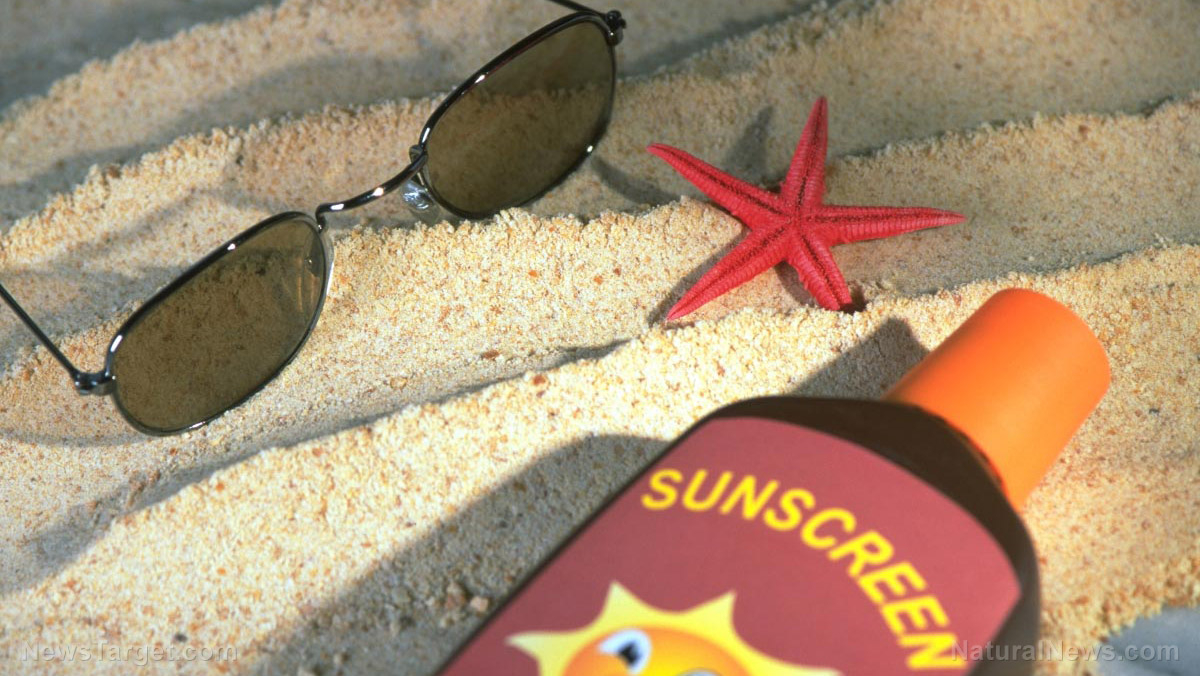
What is homosalate used for?
Homosalate primarily functions as an organic UV filter, particularly absorbing UVB wavelengths. UVB radiation is strongly associated with sunburn and DNA damage, which is why UV filters are important components of many sunscreen formulations. The ingredient can be found in a surprisingly broad range of products. These include traditional sunscreens, facial sunscreens, tanning products, moisturizers with SPF, facial creams, makeup products with sun protection, primers and other cosmetics designed to provide UV protection. Regulatory databases and product records also show homosalate appearing alongside other UV filters such as octinoxate, octocrylene, octisalate, oxybenzone and zinc oxide. The problem is that a product's ability to protect the skin from ultraviolet radiation does not automatically mean every ingredient within it is free of toxicological concerns.Why is homosalate controversial?
One of the biggest concerns surrounding homosalate involves its potential interaction with the endocrine system. Laboratory and animal research has produced indications of estrogenic and anti-androgenic activity, raising questions about whether repeated exposure could interfere with hormone signaling. Importantly, the scientific picture is not settled. The European Commission's Scientific Committee on Consumer Safety (SCCS) described the available evidence concerning endocrine-disrupting properties as inconclusive or, at best, equivocal. Nevertheless, the committee identified enough safety concerns to conclude that homosalate was not safe at concentrations of up to 10% in cosmetic products. Its assessment supported a much lower maximum concentration of 0.5% in the finished cosmetic product. More recent research continues to investigate the issue. A 2024 laboratory study examining rat and human thyroid cells reported biological effects at sufficiently high experimental concentrations, while also noting the need for further investigation into homosalate's potential effects on thyroid-related pathways. These findings should not be interpreted as proof that ordinary cosmetic exposure causes human endocrine disease. They do, however, explain why homosalate remains under scientific scrutiny.The body can absorb it
Another reason for concern is that homosalate does not necessarily remain exclusively on the skin. Human studies have demonstrated systemic absorption after sunscreen application. In a 2024 toxicokinetic study, researchers found that homosalate was absorbed following whole-body dermal application and that its elimination was relatively slow, with terminal elimination half-times of approximately 24 hours. Researchers have also identified homosalate metabolites in urine following exposure. A human biomonitoring study found measurable metabolites after application of a commercial sunscreen containing the chemical, demonstrating that the body metabolizes and eliminates absorbed homosalate. That does not mean every person using a sunscreen containing homosalate will experience toxic effects. Rather, it demonstrates that exposure is biologically relevant rather than merely theoretical.Are cleaner alternatives available?
Consumers who want to minimize exposure can choose products formulated without homosalate. Mineral sunscreens based primarily on zinc oxide or titanium dioxide are among the most obvious alternatives. The U.S. Food and Drug Administration (FDA) has identified zinc oxide and titanium dioxide as the sunscreen active ingredients for which its review found sufficient safety data to support proposed GRASE (Generally Recognized As Safe and Effective) determinations at concentrations up to 25%. Consumers can also read the ingredient panel and look specifically for "homosalate," particularly when selecting daily facial moisturizers, makeup, sunscreens and other SPF products.Can the body be "detoxed" from homosalate?
There is currently no scientifically established homosalate detox protocol. Products marketed as detox drinks, supplements, cleanses or special diets should not be assumed to remove homosalate from the body. The evidence instead indicates that the body naturally metabolizes and eliminates the compound. Human research has identified multiple metabolites and documented their urinary excretion following exposure. Consequently, the most evidence-based approach is exposure reduction, rather than attempting to "flush" homosalate from the body. Choosing homosalate-free personal-care products can reduce future exposure while avoiding unnecessary detox regimens. Homosalate therefore occupies an uncomfortable position in modern cosmetics: it serves a legitimate technological purpose, but questions surrounding absorption and possible endocrine effects make it an ingredient worth examining carefully. For consumers seeking simpler formulations, avoiding homosalate altogether is a practical option without abandoning sun protection.References
- Draelos, Z. D., ed. "Cosmetic Dermatology: Products and Procedures". 3rd ed. Wiley, 2022.
- Barel, A. O., M. Paye, and H. I. Maibach, eds. "Handbook of Cosmetic Science and Technology". 4th ed. CRC Press, 2014.
- Rosen, M. R., ed. "Harry's Cosmeticology". 9th ed. Chemical Publishing, 2015.
- Draelos, Z. D., ed. "Cosmetic Dermatology: Products and Procedures". 2nd ed. Wiley-Blackwell, 2015.
- Barel, A. O., M. Paye, and H. I. Maibach, eds. "Handbook of Cosmetic Science and Technology". 3rd ed. CRC Press, 2009.

U.S.-Registered NATO Reconnaissance Aircraft Flying Near Russia’s Kaliningrad Region Borders
By Douglas Harrington // Share

Ukraine transfers two North Korean POWs to South Korea, Zelensky confirms at UN
By Willow Tohi // Share


“Super Intelligence”: Trump Rejects Global AI Controls at UN General Assembly
By Chase Codewell // Share

Hacker Group Claims Massive Breach of FBI Agent Data
By Edison Reed // Share

Tech CEOs Urge Slowdown in AI Development as Stocks Plunge
By Chase Codewell // Share

Full-fat dairy reconsidered: New science challenges decades of dietary dogma
By willowt // Share

Hegseth Says Public Will Be Able to Watch Fort Hood Shooter's Execution by Firing Squad
By douglasharrington // Share

Trump Considering Suspending Federal Gas Tax as States Lower Fuel Levies
By sterlingashworth // Share

South Korea Ambassador to Kyiv Recalled Over Prisoner Transfer Dispute
By garrisonvance // Share

DHS Proposes $70,000 Fee for Foreign Students in Optional Practical Training
By douglasharrington // Share