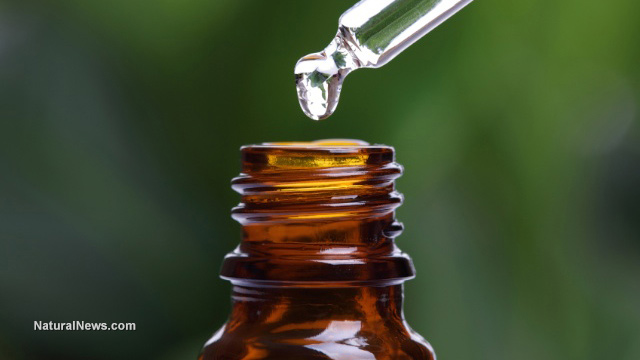
- Manuka essential oil is derived from the leaves and branches of the manuka tree (Leptospermum scoparium), a native New Zealand species. It is extracted through steam distillation, capturing volatile compounds such as monoterpene hydrocarbons, sesquiterpenes and phenolic compounds.
- The Maori people of New Zealand have traditionally used Manuka for centuries to treat various ailments, including skin infections, digestive issues and respiratory problems. Scientific research has now validated many of these uses, increasing global interest in the oil's health benefits.
- Manuka essential oil is celebrated for its broad-spectrum antimicrobial properties, thanks to compounds like triketones (leptospirene and flavesone). It effectively combats bacteria (e.g., MRSA, E. coli), fungi and viruses, making it useful for skin infections, acne and wound healing.
- This substance offers a range of health benefits, including anti-inflammatory effects for skin and pain relief, antioxidant properties to protect cells and respiratory support for conditions like colds, flu and asthma when inhaled.
- Use this essential oil topically or in aromatherapy diffusers after diluting with a carrier oil, avoid oral consumption and take precautions including a patch test and consulting a healthcare provider for specific conditions.
Historical and cultural significance
The use of Manuka in traditional Maori medicine dates back centuries. The Maori, indigenous Polynesian people of New Zealand, have long recognized the plant's healing properties. They used manuka leaves and bark to treat a variety of ailments, from skin infections and wounds to digestive issues and respiratory problems. Its antibacterial and anti-inflammatory properties were particularly valued in their healing practices. In recent years, scientific research has validated many of these traditional uses, leading to a resurgence of interest in Manuka essential oil in the global health and wellness community.Biological and health benefits
Manuka essential oil is renowned for its broad-spectrum antimicrobial activity, which is attributed to its high content of triketones, specifically leptospirene and flavesone. These compounds exhibit strong antibacterial, anti-fungal and antiviral properties, making the oil a powerful natural remedy.Antimicrobial properties
- Bacterial infections: Manuka oil is effective against a wide range of bacteria, including Methicillin-resistant Staphylococcus aureus (MRSA), Escherichia coli and Pseudomonas aeruginosa. It can be used topically to treat skin infections, acne and minor wounds.
- Fungal infections: Its anti-fungal properties make it useful in treating conditions like athlete's foot, ringworm and nail fungus.
Anti-Inflammatory Effects
- Skin conditions: Manuka oil has been shown to reduce inflammation and soothe skin conditions such as eczema, psoriasis and dermatitis. Its antimicrobial properties also make it an excellent first-aid solution for minor cuts, burns and insect bites as well as clear acne and improve skin texture and appearance.
- Muscle and joint pain: Topical application can alleviate muscle soreness and joint pain, making it a popular choice for post-exercise recovery and arthritis management.
Antioxidant properties
- Cellular health: The oil contains antioxidants that help protect cells from damage caused by free radicals, potentially reducing the risk of chronic diseases such as cancer and heart disease.
Respiratory health
- Cold and flu symptoms: Inhaling Manuka oil can help relieve symptoms of colds, flu and respiratory infections by opening up airways and reducing inflammation. It can also alleviate symptoms of bronchitis, asthma, and sinusitis.
Recommended usage
Manuka oil can be applied topically by diluting one to two drops with a teaspoon of carrier oil and applying to the skin two to three times daily, used in aromatherapy by adding three to five drops to a diffuser or hot water for steam inhalation to ease respiratory issues or mixed with carrier oil for a soothing massage to relieve muscle and joint pain. Precautions include performing a patch test to check for allergic reactions, avoiding oral consumption due to its potency and consulting a healthcare provider before use during pregnancy, while nursing or when treating children. Do essential oils work? Watch this video. This video is from TheOilCoach channel on Brighteon.com. Sources include: BrightU.ai Brighteon.com
Nature May Help With Loneliness, But Social Connection May Matter More, Trial Finds
By Petra Stone // Share

Personal Trainer Lists Six Low-Impact Mobility Exercises for People Over 60
By Petra Stone // Share

Small Trial Links Daily Strawberries to Reduced Menstrual Pain
By Coco Somers // Share

Study Reveals How Ashwagandha Compounds Command Your Body to Burn Glucose Instead of Storing Fat
By Petra Stone // Share

6 Potential Health Benefits of the Superfruit Soursop
By Iva Greene // Share

Aerobics May Help Improve Brain Health After Menopause
By Douglas Harrington // Share

Full-fat dairy reconsidered: New science challenges decades of dietary dogma
By willowt // Share

Hegseth Says Public Will Be Able to Watch Fort Hood Shooter's Execution by Firing Squad
By douglasharrington // Share

Trump Considering Suspending Federal Gas Tax as States Lower Fuel Levies
By sterlingashworth // Share

South Korea Ambassador to Kyiv Recalled Over Prisoner Transfer Dispute
By garrisonvance // Share

DHS Proposes $70,000 Fee for Foreign Students in Optional Practical Training
By douglasharrington // Share