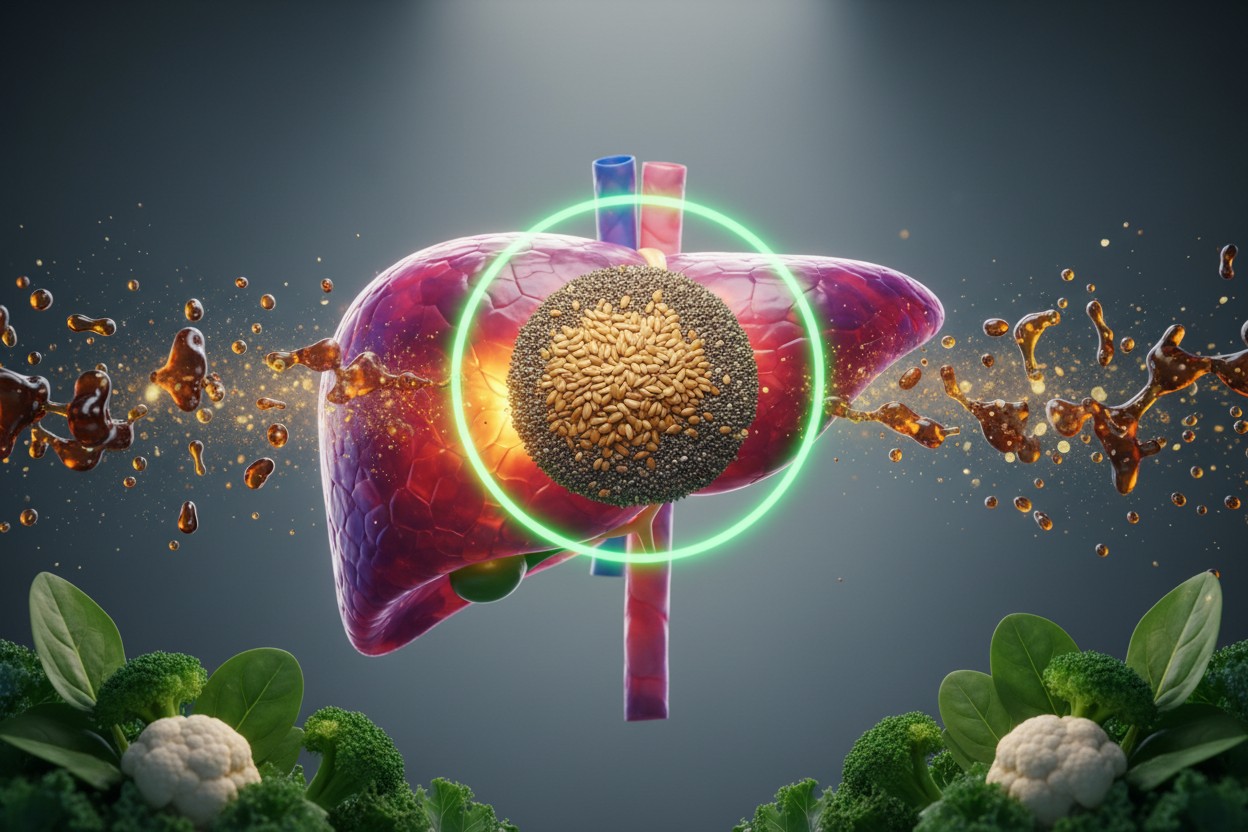
Study Details and Omega-3 Threshold
The relationship between omega-3 intake and survival was not linear: below about 2.14 grams daily, risk climbed, and above that threshold, no additional benefit was reported, according to the analysis [1]. One tablespoon of ground flaxseed supplies roughly 2.3 grams of omega-3, enough on paper to reach the intake tied to the strongest benefit in the data, the analysis stated [1]. Fish remains a source of other omega-3 types not provided by plant seeds, the report stated [3]. Omega-3 fats are found in both marine animals and plants, but each source provides different types that are not interchangeable, according to a Mercola.com article [3]. ALA from plant sources becomes important in terms of long-term dietary intake, and its advantage over fish-based omega-3 is that the problem of insufficient vitamin E intake does not exist with high intake of ALA from plants, according to Munir Ozturk's Plant and Human Health [4]. The findings were published in a peer-reviewed analysis, with sources listed including ScienceDirect, NIH, and Ascopubs.org [1]. A separate 12-week clinical trial led by researcher Y. Tian followed 50 adults with nonalcoholic fatty liver disease and found that those who consumed two tablespoons of ground flaxseed daily alongside standard health education saw significantly greater reductions in liver fat, as measured by MRI [5].Metabolic Disease and Liver Function
The liver clears toxins, regulates blood sugar, manages cholesterol, stores vitamins, and produces proteins needed for blood clotting, according to the report [1]. Up to three-quarters of people with type 2 diabetes also have fatty liver disease, and more than 70% of people with obesity do as well, the report stated [1]. Liver health groups have described fatty liver disease as a warning sign for the entire metabolic system rather than a standalone diagnosis, according to officials cited in the report [1]. The overlap with heart disease, diabetes, and certain cancers was cited as a reason liver health receives increased attention [1]. An important organ disease related to insulin resistance and metabolic syndrome is fatty liver disease unrelated to alcoholism, and the majority of patients with non-alcoholic fatty liver disease are obese and have metabolic risk factors such as insulin resistance and dyslipidemia, according to a 2007 paper in the Journal of Cellular Biochemistry [6]. Jonathan Landsman, creator of the Fatty Liver Docu-Class, said in a February 2023 interview with Mike Adams that the liver is crucial for transforming toxic chemicals in the blood into formats that can be eliminated from the body [7]. Landsman also noted that in today's toxic world, people must detoxify their bodies daily through activities like sweating, urinating, and having healthy bowel movements, which he described as forms of natural detoxification [7].Dietary and Lifestyle Factors Cited
Added sugar, especially fructose in sodas and sweetened drinks, is processed by the liver in a way similar to alcohol, according to the report [1]. Ultra-processed food, refined starches, inflammatory vegetable oils used at high heat, and calorie-dense packaged snacks were identified as contributors to fat storage in the liver [1]. Most omega-6 in industrialized nations no longer comes from whole foods such as fish, nuts, seeds, and eggs, but from chemically unstable and easily damaged industrial seed oils, according to Dr. James DiNicolantonio's Superfuel [8]. Chronic or moderate alcohol use compounds liver strain because the liver processes alcohol before nearly everything else, the report stated [1]. A study separately found that alcohol raises dementia risk at every level of drinking, and genetic data revealed that for every measurable increase in alcohol consumption, dementia risk rose by about 15%, according to reporting by Activist Post [9]. Early signs of fatty liver disease can include persistent fatigue, mild discomfort under the right ribs, brain fog, itchy skin, and dark circles, though none of these confirm the disease alone, according to the report [1]. A teenager from Warrington, Pennsylvania, sued 11 Big Food manufacturers alleging that ultraprocessed foods engineered to be as addictive as cigarettes caused him to develop fatty liver disease, Type 2 diabetes, and other health problems, according to reporting from The Defender [10].Recommended Actions and Conclusion
The report recommended adding a daily source of plant-based omega-3, such as ground flaxseed or chia seeds, and cutting back on added sugar before other dietary changes [1]. It also cited organic bitter greens, cruciferous vegetables, daily movement, and reduced alcohol intake as measures that may support liver function, according to the article [1]. Dandelion root is traditionally used as a natural diuretic to promote healthy kidney function and may also help manage conditions like high blood pressure or water retention, according to Natural Healing Wisdom [11]. The article referenced Jonathan Landsman's Fatty Liver Docu-Class as a resource covering foods, lab testing advice, and lifestyle strategies not always discussed in routine exams [1]. In a 2023 Brighteon broadcast, Mike Adams said that anyone who tunes into the first day of the Fatty Liver Docu-Class will immediately see why it is crucial to avoid certain things to prevent fatty liver disease and its related health issues such as kidney problems, high blood pressure, thyroid disorders, heart disease, gut dysfunction, and even cancer [12]. A disease affecting nearly half the adult population and killing hundreds of thousands annually deserves more specific guidance than general advice to eat healthier, the report concluded [1].References
- Mercola.com. "Omega 3 Fat EPA Significantly Lowers Heart Disease Risk". Mercola.com. October 8, 2018.
- Natural Healing Wisdom Know How Useful Practices Recipes and Formulas for a Lifetime of Health.
- Munir Ozturk. "Plant and Human Health Volume 2 Phytochemistry and Molecular Aspects".
- Dr James DiNicolantonio. "Superfuel".
- Mike Adams interview with Jonathan Landsman. February 24, 2023.
- Activist Post. "Alcohol Raises Dementia Risk at Every Level of Drinking". September 4, 2026.
- NaturalNews.com. "Flaxseed powder cut liver fat in 12-week clinical trial". August 3, 2026.
- NaturalNews.com. "Daily Tomato Consumption Associated With Reduced Liver Fat in MASLD Patients". August 12, 2026.
- NaturalNews.com. "Diet and Lifestyle Interventions for Fatty Liver Disease: A Review of Recommendations". July 7, 2026.
- Children's Health Defense. "'First-of-its-kind' Lawsuit Alleges Addictive Ultraproccessed Foods Caused Teen's Illnesses".
- Journal of Cellular Biochemistry. "Metabolic Syndrome and Mitochondrial Function: Molecular Replacement and Antioxidant Supplements to Prevent Membrane Peroxidation and Restore Mitochondrial Function". 2007.
- Mike Adams. "Brighteon Broadcast News". Brighteon.com.
Explainer Infographic

Beet Juice, Hibiscus Tea May Support Lower Blood Pressure, Dietitians Say
By Petra Stone // Share
Watercress Trial Reports Increases in Detoxification Byproducts
By Coco Somers // Share

Five Compound Exercises Outlined for Full-Body Strengthening at Home
By Petra Stone // Share
Report: Honeydew Melon Linked to Hydration, Nutrient Intake, and Health Benefits
By Coco Somers // Share

Cutting Sweet Foods Doesn’t Curb Cravings or Improve Health, Trial Finds
By Coco Somers // Share

USDA Announces Massive Meat Recall Affecting Beef, Pork and More
By Coco Somers // Share


Full-fat dairy reconsidered: New science challenges decades of dietary dogma
By willowt // Share

Hegseth Says Public Will Be Able to Watch Fort Hood Shooter's Execution by Firing Squad
By douglasharrington // Share

Trump Considering Suspending Federal Gas Tax as States Lower Fuel Levies
By sterlingashworth // Share

South Korea Ambassador to Kyiv Recalled Over Prisoner Transfer Dispute
By garrisonvance // Share

DHS Proposes $70,000 Fee for Foreign Students in Optional Practical Training
By douglasharrington // Share