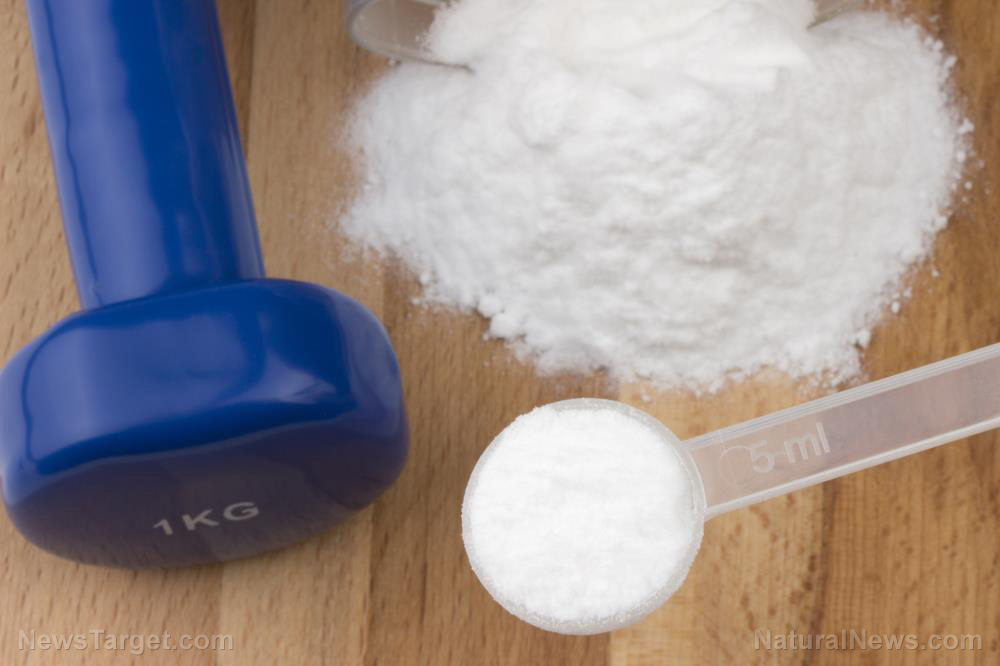
- Creatine is a natural substance that helps regenerate ATP, the body's primary energy currency, providing rapid energy for both muscle cells during exercise and for the brain's high energy demands.
- Emerging research shows creatine is a powerful cognitive enhancer, improving memory, learning capacity, processing speed and attention span, with studies showing up to a 19% boost in some areas.
- Creatine helps the brain maintain performance under stress, such as sleep deprivation, by keeping cellular energy stores saturated, counteracting mental fatigue and supporting short-term memory.
- It supports healthier brain aging by maintaining energy balance as natural creatine levels decline, promoting clearer neuronal communication and helping to combat oxidative stress.
- To achieve these cognitive benefits, a consistent daily dose of five grams of creatine monohydrate is recommended to keep the brain's energy reserves saturated, transforming its image from a simple fitness supplement to a legitimate nootropic.
How does creatine help support brain health?
But a growing body of research suggests its most profound benefits may not be in bicep curls, but in brain power. Emerging evidence reveals that this common supplement is a formidable cognitive enhancer, supporting everything from memory to mental resilience. The connection makes biological sense. While 95% of the body's creatine stores are found in the muscles, a crucial 5% is stored in the brain. This reserve is now understood to be a critical player in neurological function. Here are five unexpected ways creatine is proving to be a powerhouse for the mind:- It fuels your brain's engine: Your brain is an energy-intensive organ and creatine acts as a reserve tank. It helps regenerate ATP, the body's main energy currency, ensuring your mental engine has the fuel it needs to run smoothly throughout the day.
- It sharpens memory and learning: A 2023 meta-analysis found that creatine supplementation can enhance cognitive performance, with particular benefits for those over 65. The data is compelling: a 2024 systematic review and meta-analysis concluded that supplementing with creatine led to a 15% improvement in recall and learning capacity, a 19% boost in processing speed and a 13% increase in attention span.
- It builds mental resilience under stress: From sleepless nights to tight deadlines, high-pressure situations demand more from your brain. Creatine helps support cognitive resilience during these times by keeping energy stores saturated. A striking 2024 study found that a single, larger dose of creatine counteracted the mental sluggishness that follows a night of only three hours of sleep. The benefits for processing capacity and short-term memory peaked within four hours and lasted for a total of nine.
- It supports healthier brain communication: Your neurons communicate through neurotransmitters, a process that relies heavily on cellular energy. By supporting this energy supply, creatine supports healthier signaling and smoother communication between brain cells, leading to more reliable cognitive function.
- It supports healthy brain aging: Natural creatine stores decline as we age, disrupting the brain's energy balance. Supplementation helps maintain this supply, supporting mental clarity and focus over time. This is why studies often find the most significant benefits for individuals in their 50s and 60s. Emerging evidence also suggests that creatine can help combat the oxidative stress that accelerates aging.
Health Report Highlights Fruits, Nutrients Linked to Brain Health
By Coco Somers // Share

Trump Signs Russia Sanctions Bill Into Law, Authorizing Tariffs on Russian Energy Buyers
By Edison Reed // Share

Want a Healthier Gut? A Dietitian Says These Foods Belong on Your Plate
By Iva Greene // Share

Six everyday drinks that could quietly be saving your liver
By Cassie B. // Share
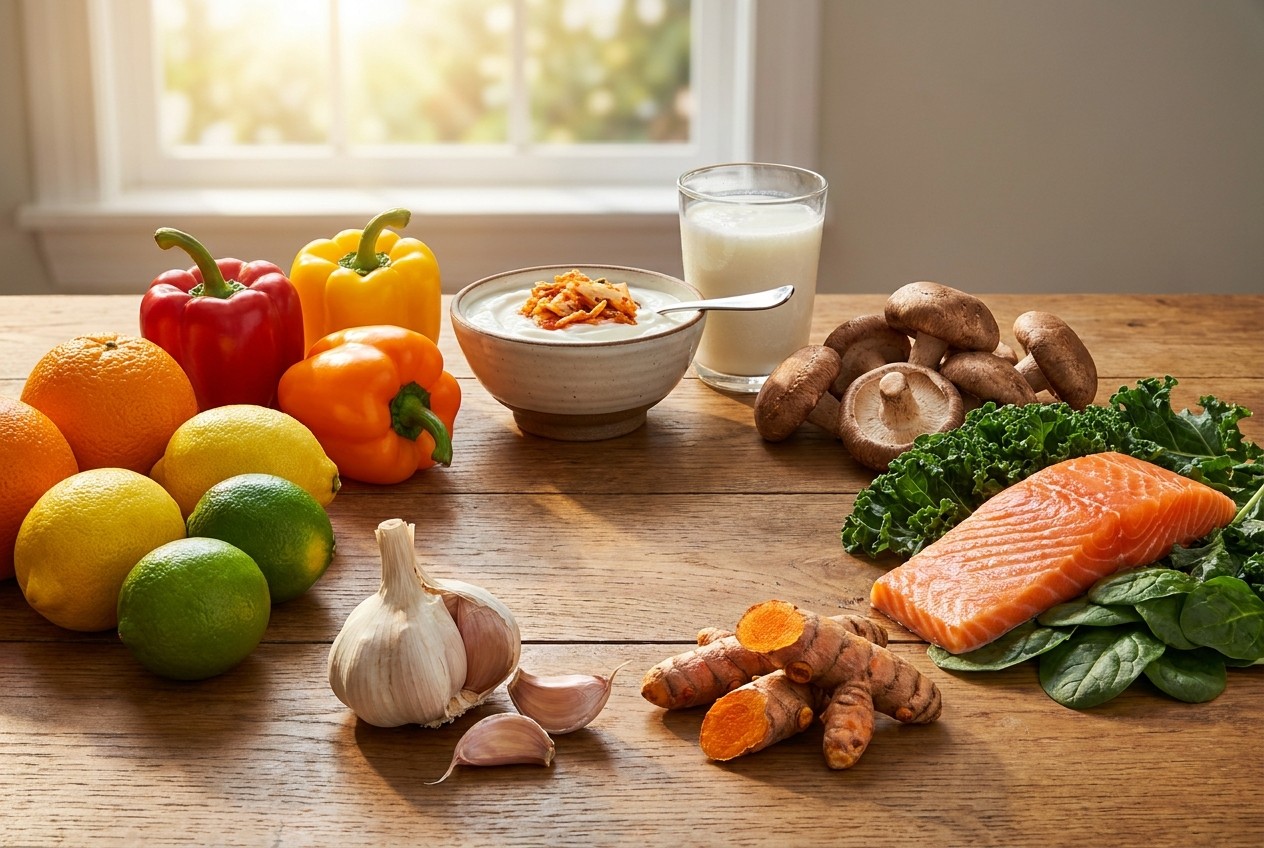
Beyond Ginger: 8 Foods That May Support Immune Health
By Coco Somers // Share

Licorice Root: Traditional Uses and Modern Research on Liver, Digestive Health
By Coco Somers // Share



China’s Holdings of U.S. Debt Fall to 18-Year Low
By sterlingashworth // Share

Bucha Used by West to Derail Istanbul Peace Talks, Russian MFA Spokeswoman Says
By garrisonvance // Share

Study Links Exercise, Liver Enzyme GPLD1 to Blood-Brain Barrier Repair
By douglasharrington // Share
Health Report Highlights Fruits, Nutrients Linked to Brain Health
By cocosomers // Share