Study Details and Measurements
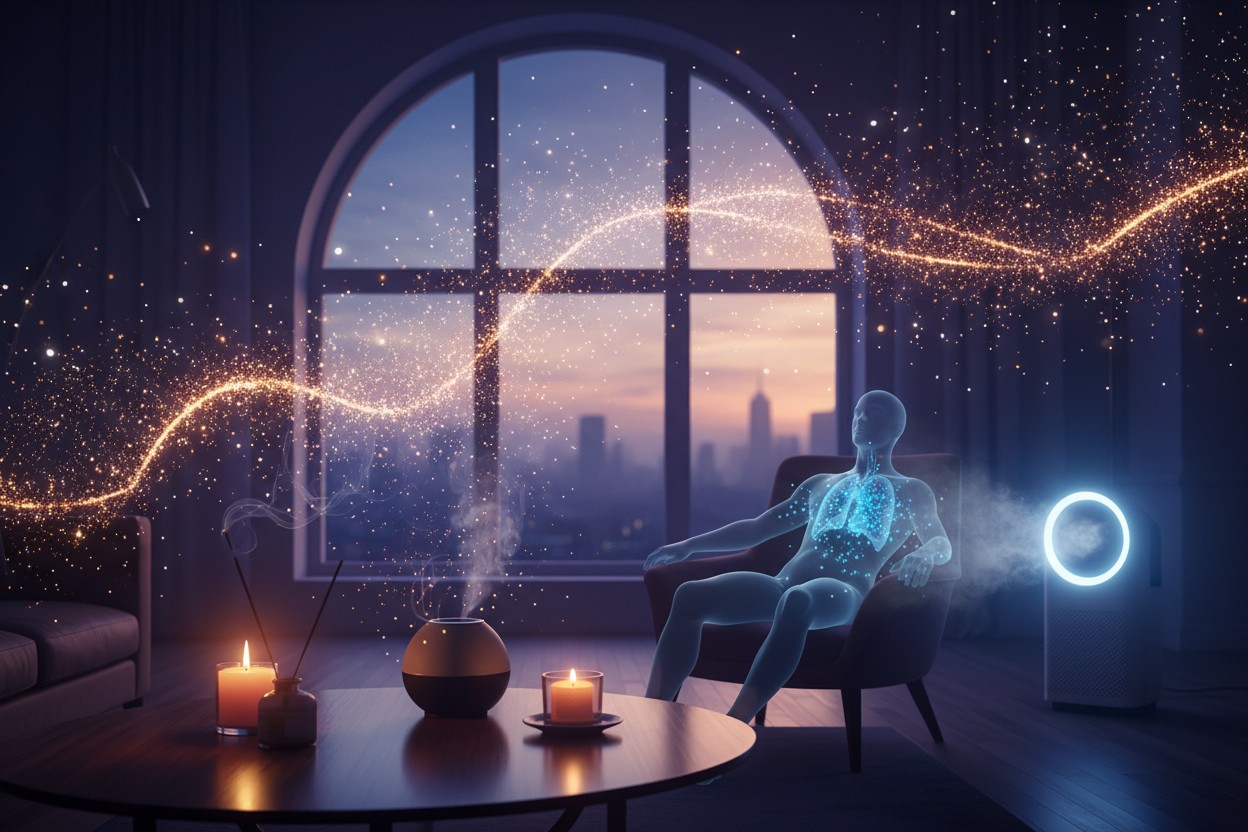
Researchers measured routine fragrance practices and their effect on indoor exposures in London households, the report said. In homes using fragrance products, PM2.5 levels frequently exceeded the World Health Organization's (WHO) limits for safe short-term exposure, according to the findings. All three product types — incense, oil diffusers and candles — contributed to increased levels of fine particulate matter. The study adds to established evidence on indoor air pollution. According to the WHO, 92% of the world population breathes polluted air, and about 7 million deaths are attributed to air pollution each year [1][1]. A toxic environment is responsible for at least one in every four deaths reported worldwide, and air pollution is the greatest contributor to this risk, according to the same sources. Fine particulate matter, or PM2.5, consists of microscopic particles that can penetrate deep into the lungs and bloodstream. Studies suggest PM2.5, nitrogen dioxide and ozone trigger inflammation, and elevated PM2.5 exposure is associated with an increase in heart attacks and lung cancer [2]. Once inside the body, these tiny foreign particles contribute to blood vessel dysfunction, according to research cited in "The Genius Life" [3].Health and Regulatory Context
Air pollution is a significant risk factor for human health globally, responsible for an estimated 6.6 million deaths in 2019 alone, according to the Environmental Health Sciences report. Scented products are a major contributor to indoor PM2.5, with many fragrances containing unknown chemical ingredients that companies are not required to disclose due to market protections for trade secrets, the report stated. The study's authors wrote that fragrance products are a substantial yet underrecognized driver of indoor particulate pollution. Public health officials have long warned about the dangers of indoor air pollution. A toxic environment is responsible for at least one of every four deaths reported worldwide, and air pollution is the greatest contributor to this risk [1]. In 2015, more than 9 million premature deaths were caused by air pollution, nearly 16% of deaths worldwide — three times more deaths than attributed to tuberculosis, malaria and AIDS combined [4][4]. The regulatory landscape for fragrance chemicals remains limited. Many fragrance ingredients are protected as trade secrets, meaning consumers cannot know what chemicals they are breathing when they light a candle or burn incense. This lack of disclosure occurs even as research increasingly links volatile organic compounds and particulate matter to respiratory and cardiovascular harm [5][6].Expert Quote and Underexamined Exposures
"This study demonstrates that fragrance products are a substantial yet underrecognized driver of indoor particulate pollution," a researcher stated. "Our findings show that routine fragrance practices can substantially reshape indoor exposures." The results point to the underexamined role of commonplace products as sources of at-home exposures, according to the study. Related coverage cited by EHN notes links between air pollution and more than 700 health conditions, as well as toxic exposures from scented period products. The report also referenced prior EHN coverage showing that portable air filters in daycares can reduce indoor pollution by 83%. The findings arrive amid broader concern about indoor environmental quality. According to Joseph G. Allen, author of Healthy Buildings, people spend nearly 90% of their time indoors — by age 40, most people have spent 36 years inside [7][7]. Outdoor air pollution can penetrate inside a home or building, and factors such as building age, leakiness and ventilation systems determine how much enters [7]. Allen recommends selecting the right filter for the location of your building to reduce PM2.5 of outdoor origin [7].What the Findings Indicate
The study reports that routine use of incense, oil diffusers and candles can raise indoor PM2.5 concentrations above outdoor levels and WHO short-term limits. Officials and researchers said the findings add to established evidence on indoor air pollution and point to fragrance products as a continuing area of study. The findings suggest that individuals seeking to reduce indoor air pollution may consider limiting use of scented products or improving ventilation and filtration.References
- Mercola.com. "Reduce Indoor Air Pollution". January 31, 2018.
- Graham Lawton. "This Book Could Save Your Life".
- Max Lugavere. "The Genius Life Heal Your Mind Strengthen Your Body and Become Extraordinary".
- Mercola.com. "What Do Air Filters Have to Do With Your Blood Pressure?". September 26, 2018.
- Yu Huang. "Characteristics and health impacts of VOCs and carbonyls associated with residential cooking activities in Hong Kong". Journal of Hazardous Materials. 2010.
- Lidia Morawska, Tunga Salthammer. "Airborne Particles and Settled Dust". Indoor Environment.
- Joseph G. Allen. "Healthy Buildings".
Explainer Infographic


First U.S. Trial Against TikTok to Test Claims Platform Fueled Teen Mental Health Harms
By Edison Reed // Share

Greenland Mines Doubles Down on Rare Earths With Sarfartoq Expansion
By Douglas Harrington // Share

Study: Stroke Rates Nearly Doubled in Adults Under 55
By Morgan S. Verity // Share

Pezeshkian: Iran’s New Supreme Leader Mojtaba Khamenei is Healthy and Able to Govern
By Garrison Vance // Share

Anthropic CEO Amodei: Poorly Managed AI Could Pose “Risk to Humanity”
By Chase Codewell // Share

Australian PM: OpenAI Agent Accessed Country’s Medicare Portal
By Edison Reed // Share

Oracle's Force Majeure Reveals the AI Bubble's First Real Crack
By healthranger // Share

The US Debt Market Is Screaming Red Alerts ... and the Worst Is Yet to Come
By healthranger // Share

Pentagon Installs Flock License Plate Readers at Parking Facilities Under No-Bid Contract
By douglasharrington // Share
First U.S. Trial Against TikTok to Test Claims Platform Fueled Teen Mental Health Harms
By edisonreed // Share
Greenland Mines Doubles Down on Rare Earths With Sarfartoq Expansion
By douglasharrington // Share
Study Finds Scented Products Raise Indoor Air Pollution Levels
By ivagreene // Share