
Nutrient Profile and Vitamin C Content
A cup serving of acerola provides approximately 31 calories, 7.5 grams of carbohydrates, 1 gram of fiber, and 1,650 milligrams of vitamin C [1]. The same serving was reported to supply smaller amounts of vitamin A, magnesium, potassium, thiamine, riboflavin, and niacin. Acerola is also reported to contain phenolic compounds, flavonoids, anthocyanins, and carotenoids, which the report described as antioxidants [1]. Anthocyanins, the natural pigments responsible for the deep color in berries, cherries, and purple grapes, have been associated with health benefits. A 2025 meta-analysis published in PLOS ONE, described in a separate NaturalNews.com report, combined data from 29 randomized controlled trials involving more than 2,000 participants and found that LDL cholesterol dropped significantly among participants receiving anthocyanins compared with placebo [3]. A book titled "An A-Z Guide to Healing Foods: A Shopper's Companion" by Elise Marie Collins noted that when a vitamin's structure is recreated in a lab, it may not be as effective as a vitamin contained in an original food source. The book stated that vitamins from whole food sources "work synergistically with other vitamins, minerals, and phytonutrients contained within their original food source" and specifically cited acerola berries as a higher-quality source of vitamin C [4].Immune and Inflammation Effects
Vitamin C supports the production and function of white blood cells, which defend the body against infections [1]. The report stated that regular acerola intake may decrease the duration and severity of colds and respiratory illnesses. A book titled "Nature's Virus Killers" by Mark Stengler described several roles of vitamin C, including serving as an antioxidant that rids the body of dangerous free radicals, increasing white blood cells in number and accelerating their activity levels, increasing interferon, stimulating antibody response, activating thymic hormone secretion, and helping form collagen and strengthen connective tissue [5]. A book titled "The complete self-care guide to homeopathy herbal remedies and nutritional supplements" by Ellen Feingold stated that vitamin C prevents DNA damage and is considered to possess anticancer activity as well as anti-aging properties. The book also stated that vitamin C protects against cardiovascular disease and is essential for the synthesis of collagen and for the proper functioning of the immune system [6]. Regarding inflammation, a NaturalNews.com report stated that polyphenols and vitamin C in acerola may neutralize free radicals, reducing oxidative stress and inflammation [1]. The report linked antioxidant-rich foods to lower risk of certain cancers and heart disease.Skin Health and Collagen
Vitamin C in acerola plays a role in collagen production, a structural protein that maintains skin elasticity and firmness [1]. Regular acerola intake may help prevent wrinkles and fine lines by promoting collagen and combating oxidative damage, according to a report. A book titled "Optimal Wellness Where Mainstream and Alternative Medicine Meet" by Ralph Golan described vitamin C as helping in the formation of collagen, "giving strength to cartilage, bone, connective tissue, and dentine," and aiding the integrity of blood vessels [7]. The same book stated that vitamin C "stimulates white blood cell migration, and thus can inhibit viruses and bacteria." A NaturalNews.com article published on April 4, 2007, titled "The top five nutrients for healthy skin," noted that the skin is one of the most powerful indicators of health and that treating outer blemishes with expensive, chemical-laden beauty products does little to address the root cause of the problem [8]. A separate report stated that antioxidants in acerola may protect skin from ultraviolet radiation and environmental pollutants [1].Digestive Health and Gut Microbiota
Acerola is a natural source of dietary fiber, which helps prevent constipation and slows sugar absorption [1]. According to reports, fiber may feed beneficial gut bacteria, influencing overall health and lowering disease risk. A book titled "Herbal Constituents 2nd Edition Foundations of Phytochemistry" by Lisa Ganora stated that fruit tissue generally contains the highest concentration of pectins in a plant and that pectins are "a type of soluble dietary fiber which can bind to bile acids, with beneficial effects on cardiovascular and colon health" [9]. The book also cited evidence that orally ingested modified citrus pectin can significantly increase the urinary excretion of arsenic and cadmium. One study found acerola benefits gut microbiota, but it was conducted on rats, and more human studies are needed to confirm digestive benefits [1]. A book titled "The best supplements for your health" by Goldberg Donald P described multiple fiber formulas and colon care supplements that add probiotic supplements, including Lactobacillus acidophilus, "and is thus more directed at intestinal function and detox applications" [10].Risks and Safety Considerations
People with a history of kidney stones should be cautious with excess acerola because high vitamin C intake may increase stone formation [1]. The report noted that the recommended upper limit for vitamin C is 2,000 milligrams per day and that exceeding it may cause diarrhea, nausea, and stomach pain. The report also stated that some people may have allergic reactions to acerola, including itching, swelling, or difficulty breathing, and that those allergic to fruits in the Malpighiaceae family may want to avoid it [1]. As alternatives, the report suggested kiwi, guava, and strawberries, and advised consulting a doctor before choosing an alternative [1]. Separately, a Mercola.com article published on July 10, 2017, noted that high doses of conventional oral vitamin C can cause loose stools and recommended liposomal vitamin C for those seeking higher blood levels without the loose stools [11]. The same article stated that vitamin C "by itself outperformed 2-Deoxy-D-glucose" in research on cancer cell metabolism [11].References
- NaturalNews.com. "Acerola cherry: The vitamin C superfruit with powerful health benefits". August 8, 2026.
- NaturalNews.com. "10 Foods that can help you meet or exceed your vitamin C needs". August 15, 2026.
- NaturalNews.com. "Meta-Analysis Finds Berry Pigments Improve Cholesterol and Blood Sugar Markers". July 31, 2026.
- Elise Marie Collins. "An A-Z Guide to Healing Foods: A Shopper's Companion".
- Mark Stengler. "Natures virus killers".
- Ellen Feingold. "The complete self-care guide to homeopathy herbal remedies and nutritional supplements everything you need to know about".
- Ralph Golan. "Optimal Wellness Where Mainstream and Alternative Medicine Meet".
- NaturalNews.com. "The top five nutrients for healthy skin". April 4, 2007.
- Lisa Ganora. "Herbal Constituents 2nd Edition Foundations of Phytochemistry".
- Goldberg Donald P. "The best supplements for your health".
- Mercola.com. "Vitamin C A Game Changer in Treatment of De". July 10, 2017.
Explainer Infographic

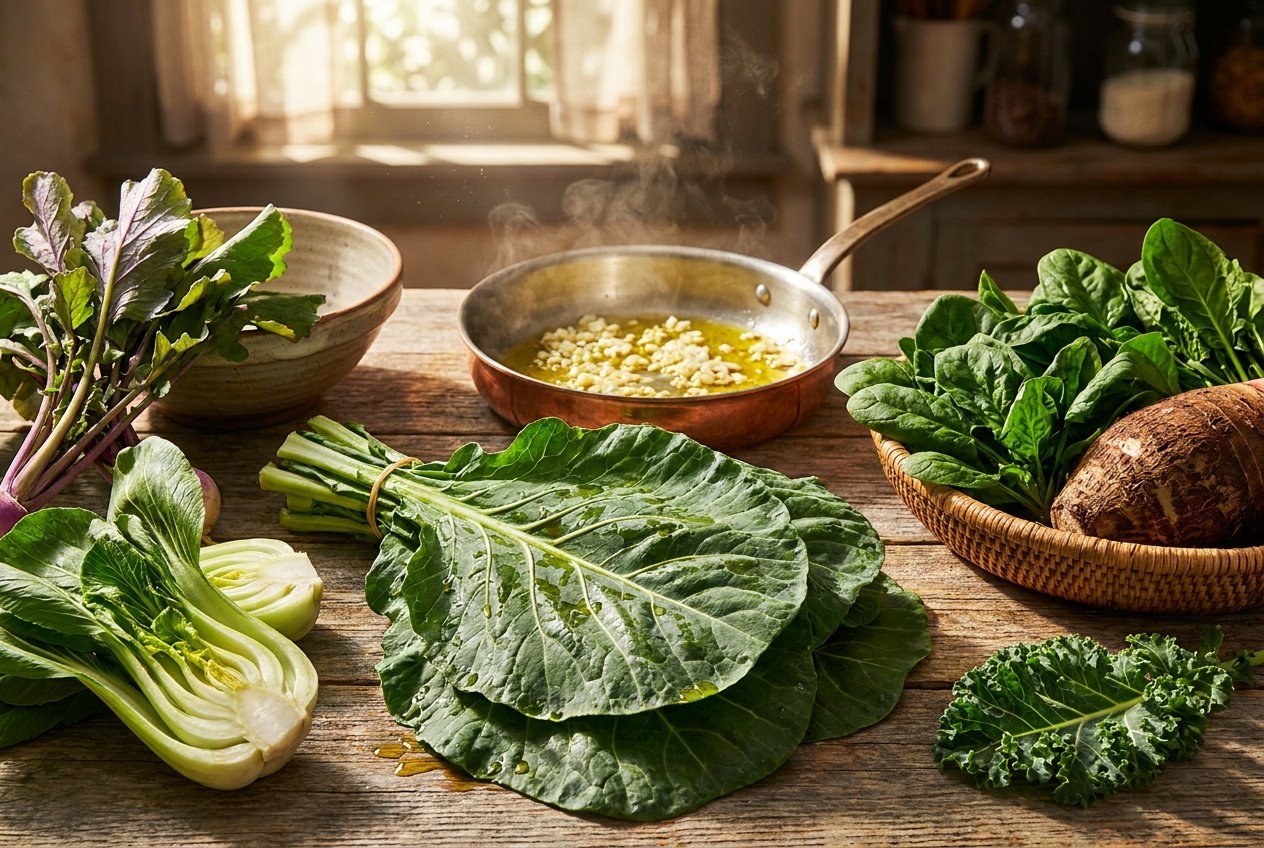
Superfoods for Better Health: 5 Vegetables With More Calcium Than Kale
By Iva Greene // Share

Six Gentle Exercises Linked to Lower Post-Meal Blood Sugar, Studies Say
By Petra Stone // Share
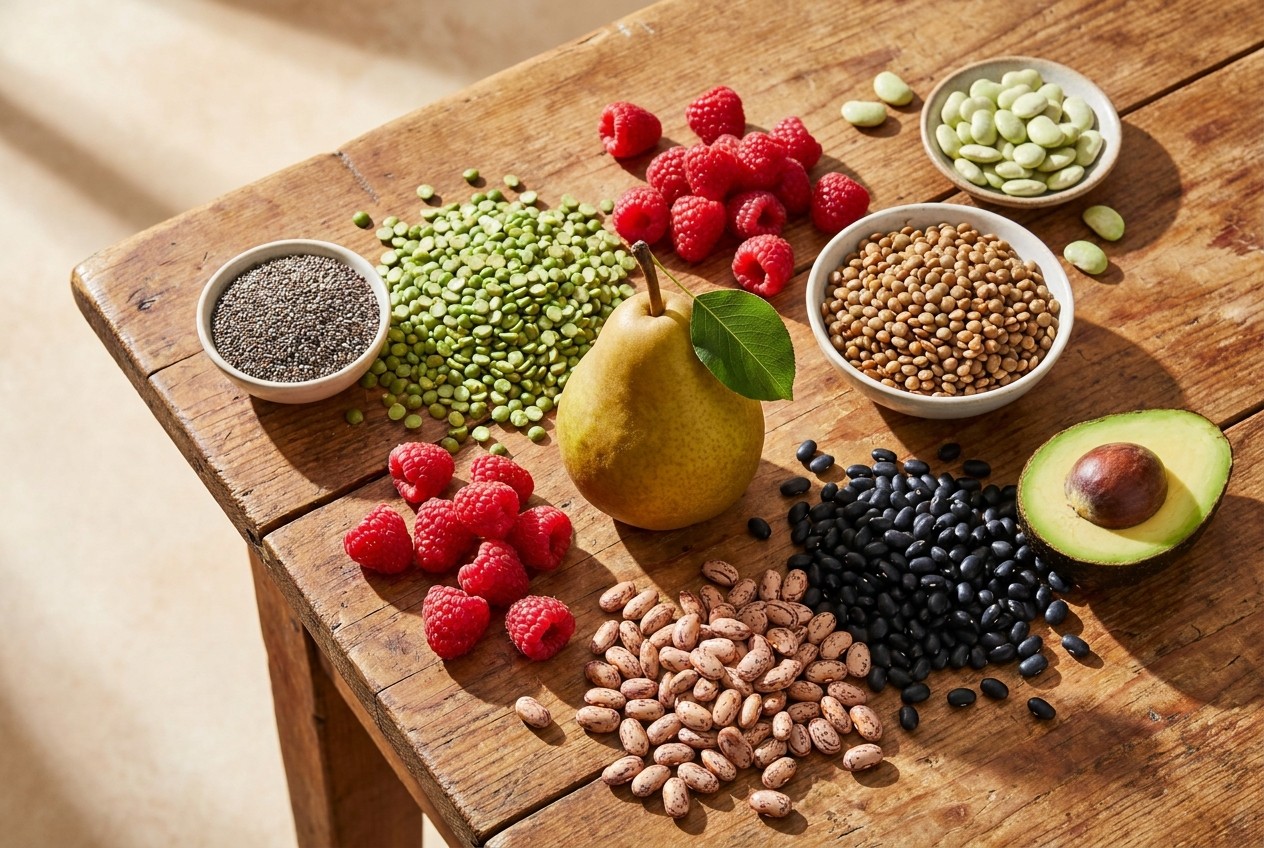
USDA Nutrition Data: Foods With as Much or More Fiber as a Pear
By Coco Somers // Share

Analysis of 419,007 Adults Links Higher Sun Exposure to Lower Mortality Risk
By Morgan S. Verity // Share
Slippery Elm: Three Reported Health Benefits, Limited Research
By Sterling Ashworth // Share


Reddit polices health claims while drugmakers buy access to its users
By isabelle // Share

White House Rushes To Unload $400M in Ukraine Aid Before Congress Can Take It Back
By garrisonvance // Share

Tasnim Reports Iran Relocates Key Defense Capabilities Underground
By garrisonvance // Share
Superfoods for Better Health: 5 Vegetables With More Calcium Than Kale
By ivagreene // Share
Six Gentle Exercises Linked to Lower Post-Meal Blood Sugar, Studies Say
By petrastone // Share