Study Design and Baseline Exposure
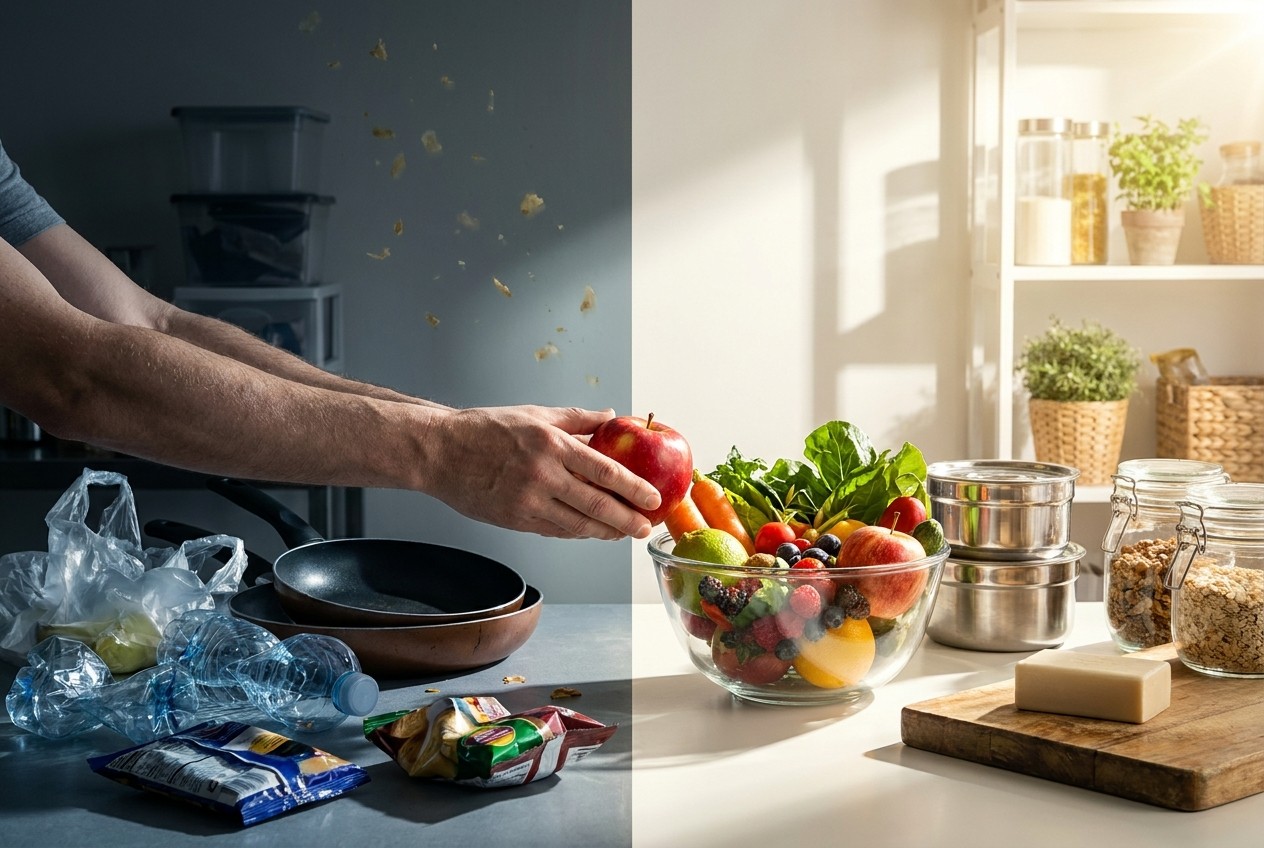
The PERTH trial first assessed baseline exposure in more than 200 adults and found that all participants had detectable levels of phthalates and bisphenols. Phthalates and bisphenols are commonly linked to food packaging, kitchenware and personal care products. The trial then assigned participants to a lower-plastic regimen that included food with minimal plastic contact from production to packaging, changes to kitchen tools and, in some cases, personal care products. Calorie intake stayed the same during the trial, meaning the intervention was not a diet in the traditional sense. Researchers noted that many plastic-associated chemicals have relatively short half-lives, meaning the body clears and re-accumulates them based on daily exposure. That characteristic helps explain why levels can shift within days when exposures change. "The participants didn't eliminate plastic entirely," the article stated. "They just reduced the most consistent sources." The design allowed researchers to test whether practical changes, rather than a complete lifestyle overhaul, could produce measurable reductions.Reductions Observed After One Week
After seven days, certain phthalates dropped by over 40 percent, and bisphenols such as BPA and BPS fell by more than 50 percent in some groups. The largest changes were associated with food sources and packaging, not just swapping out a single product. That finding suggested that replacing one item for another may be less effective than reducing overall contact with plastic along the food chain. Highly processed and packaged foods were consistently linked to higher exposure; even fruits and vegetables showed higher chemical levels when wrapped or stored in plastic compared with less packaged versions. The same report noted that "BPA-free" products that use alternatives such as BPS appeared to behave similarly in the body, complicating substitution strategies. As a result, the study's authors emphasized reducing total exposure rather than relying on chemical substitutions. The trial adds to a body of research on plastic-associated chemicals and health. A separate study reported in 2023 found that phthalates, common chemicals in personal hygiene products such as shampoo and soap, can raise a woman's risk of developing diabetes by more than 60 percent, according to NaturalNews.com [1]. Another study by the South Australian Health and Medical Research Institute and the University of Adelaide analyzed urine samples from 1,500 male participants and found that almost all had high levels of phthalates, which were linked to chronic diseases, NaturalNews.com reported [2].Practical Changes Examined in the Trial
Changes evaluated in the trial included choosing less packaged food, skipping canned goods when possible, storing leftovers in glass instead of plastic, avoiding heating food in plastic and using bar soap instead of body wash. Personal care was described as a secondary lever but still produced measurable drops in certain phthalates. Even one or two changes may compound because the exposures are repetitive. Participants were able to maintain their normal lives while making targeted substitutions. Published guidance on reducing plastic exposure aligns with the trial's approach. Mercola.com has reported that people should avoid products labeled with "fragrance," including air fresheners, because the catch-all term may include phthalates used to stabilize scent and extend product life; it also advised against microwaving food in plastic containers or covered in plastic wrap and recommended frequent vacuuming and dusting of rooms with vinyl blinds, wallpaper, flooring and furniture that may contain phthalates [3]. A separate report warned that scratched non-stick pans can release thousands of microplastics into food and that worn plastic cookware releases the highest amounts of contaminants, with inert materials such as stainless steel eliminating that exposure [4].References
- NaturalNews.com. "Common chemicals in shampoo and soap found to increase diabetes risk in women". NaturalNews.com. February 15, 2023.
- NaturalNews.com. "Phthalates found in plastic food packaging linked to chronic disease". NaturalNews.com. July 31, 2018.
- Mercola.com. "Why Your Hormones Have Been Hijacked". Mercola.com. March 11, 2021.
- Cassie B. "Scientists Warn a Cracked Teflon Coating Can Release More Than 9,000 Plastic Particles During Cooking". NaturalNews.com. April 7, 2026.
- Coco Somers. "Plastic Chemicals Detected in 100% of Participants in Australian Trial". NaturalNews.com. May 15, 2026.
- ActivistPost.com. "Evidence Links Microplastics to Chronic Disease". ActivistPost.com. June 6, 2026.
Explainer Infographic


Geely Reports EV Battery Charges in Under Five Minutes
By Edison Reed // Share

Review Finds Exercise May Lower Triglycerides in Postmenopausal Women, With Diminishing Returns
By Edison Reed // Share
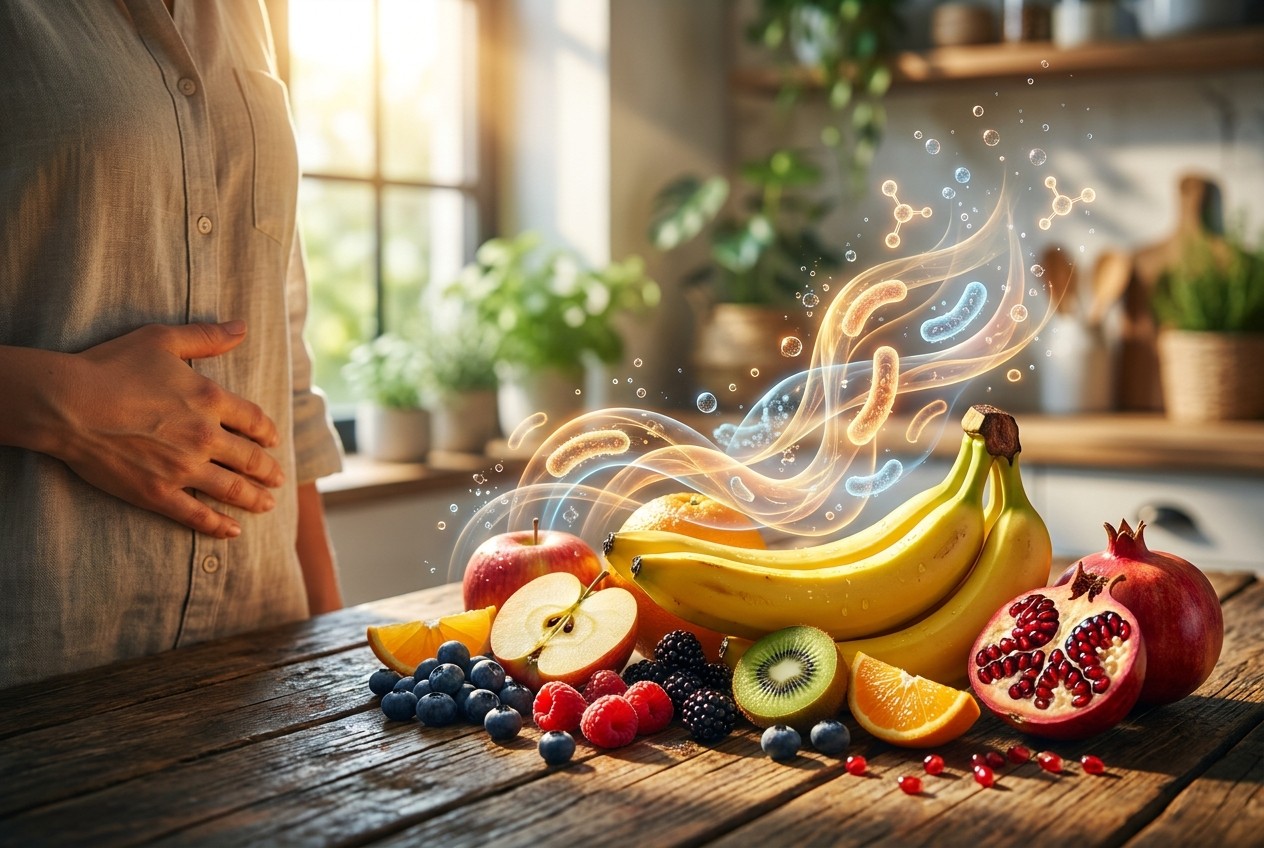
Prebiotic Fruits Tied to Gut Health in Nutrition Reports
By Coco Somers // Share
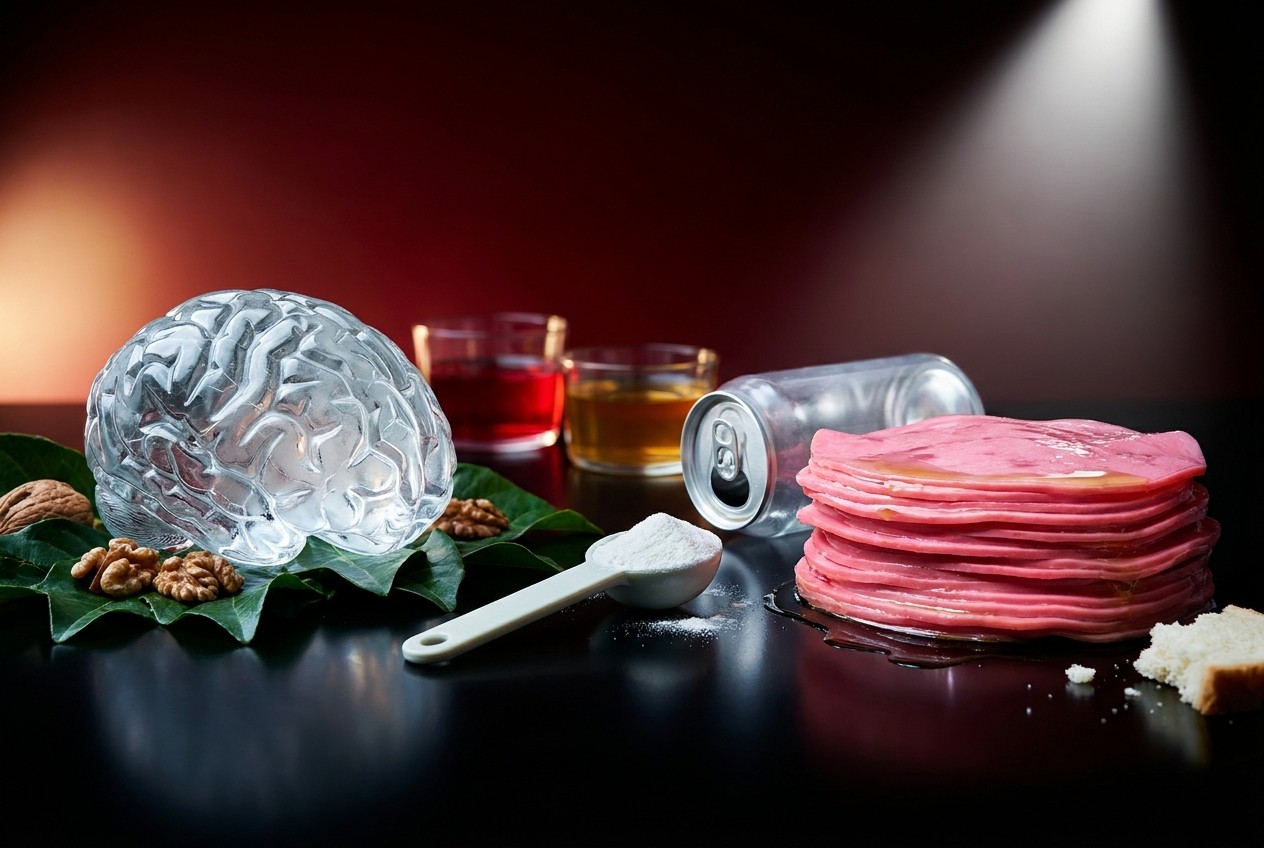
Review Links Two Slices of Deli Meat Daily to 44% Higher Dementia Risk
By Coco Somers // Share

Forget rereading: Research says these study methods actually make information stick
By Cassie B. // Share

Study Links Early-Life Chemical Mixtures to Childhood Obesity
By Belle Carter // Share

U.S. energy boom cushions economy as Europe's inflation climbs amid oil shock
By isabelle // Share


Sen. Johnson Roundtable Features COVID-19 Hospital Protocol Testimonies
By morganverity // Share
Geely Reports EV Battery Charges in Under Five Minutes
By edisonreed // Share
Prebiotic Fruits Tied to Gut Health in Nutrition Reports
By cocosomers // Share