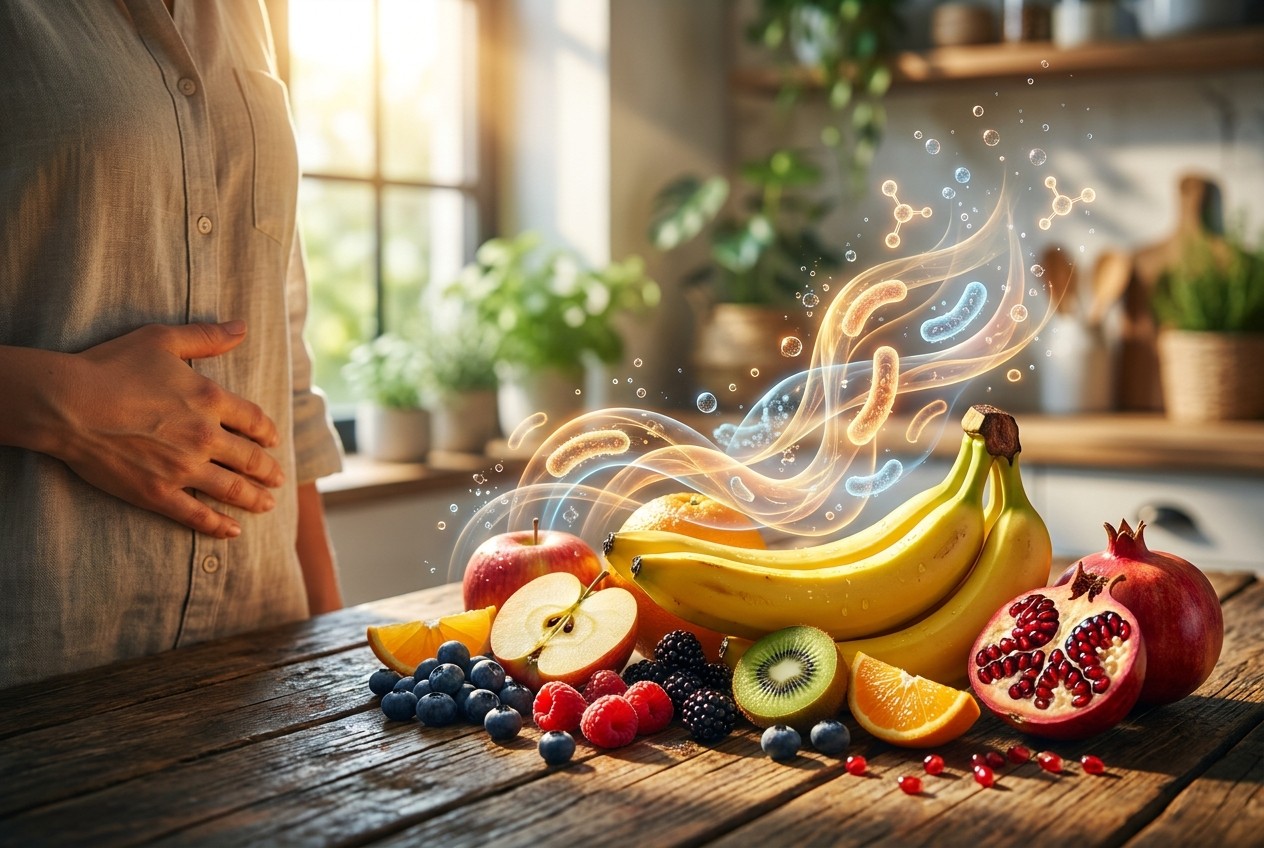
What Makes a Fruit Prebiotic?
Prebiotic fibers such as inulin, pectin, and resistant starch pass through the small intestine undigested, researchers said [8][9]. Gut bacteria ferment these compounds in the colon, producing short-chain fatty acids including butyrate, according to studies [8][10]. Polyphenols in berries and apples may also exert prebiotic effects by modulating microbial populations, dietitians said [5][6]. The FDA has not established a daily reference intake for prebiotics, according to regulatory documents. A dietary prebiotic is an ingredient that positively influences the composition and functioning of the gut microbiome, with benefits for health and well-being, according to Susan Blum, author of Healing Arthritis [3]. Fructooligosaccharide and inulin are described as prebiotics and have been defined as "selectively fermented ingredients that allow specific changes, both in the composition and/or activity in the gastrointestinal microbiota that confers benefits upon host well-being," according to a definition cited in a Journal of Food Science paper [4]. Research on pitaya (dragon fruit) flesh found that its oligosaccharides demonstrated prebiotic properties, with approximately 88 percent of inulin and oligofructose reaching the colon using ileostomy patient and intubation models, according to the study published in the Journal of Agricultural and Food Chemistry [9][9]. Colleen Cutcliffe, a microbiologist and biochemist, stated on a wellness podcast that the body can produce its own glucagon-like peptide-1 without relying on synthetic medications [11].Sources and Caveats
Nutrition scientists said not all fruits have equal prebiotic potential; unripe bananas and cooked-then-cooled potatoes contain more resistant starch [15][8]. According to the International Scientific Association for Probiotics and Prebiotics, claims should be supported by human studies. Gastrointestinal symptoms such as bloating may occur when fiber intake increases quickly, clinicians said. The article noted that people with IBS or FODMAP sensitivity should consult a healthcare provider. Dr. Steven R. Gundry, author of Gut Check, stated that cooking breaks chemical bonds that hold sugars together in plant products, but these bonds can be remade by chilling the foods after cooking, then reheating them before consuming [8]. The more plant material remains whole, the more resistant it will be to digestion, he wrote [8]. For example, a yam that was cooked, cooled, and reheated is much more resistant than sweet potato flour or pasta, according to Gundry [8]. Heather Anne Wise, author of A Gut Feeling, noted that in well-off Western countries like France, convenience stores are not stocked with rows of sweets and refined wheat products as they are in the United States [16]. Instead, small local corner stores are stocked with dried lentils and beans, fresh fruits and vegetables, and a variety of grain staples, she wrote [16]. Data compiled from nutrient databases indicates that sweet potatoes contain lower levels of simple sugars and higher levels of complex carbohydrates than bananas, a difference that researchers said can slow digestion and reduce blood sugar spikes [15]. Overripe bananas should be avoided for those seeking steady blood sugar, the report noted [15]. A review published in the Journal of Agricultural and Food Chemistry found that the in vitro antioxidant power of cereals is significantly correlated with their phenolic acid contents, demonstrating that phenolic compounds may act as reductones by donating electrons and reacting with free radicals [17].Conclusion
Prebiotic fruits remain a low-cost source of fermentable fiber, according to nutrition references [1][18]. Officials and dietitians said whole-food sources should be emphasized over isolated supplements [5][6]. Further research is needed to determine optimal types and amounts for specific health outcomes, the report stated [6]. Approximately 95 percent of Americans fail to consume adequate dietary fiber, according to public health data, a shortfall that impacts digestive health, cardiovascular function, and overall well-being [5][18]. Prebiotic-rich foods, including bananas, apples, berries, and kiwi, offer a practical and accessible means of supporting gut microbiome diversity, researchers said [1][13].References
- NaturalNews.com. "Gut health boost: 9 Prebiotic-rich snacks to nourish your microbiome". March 11, 2026.
- NaturalNews.com. "Nutritionists Identify Fruits Linked to Health Benefits". May 5, 2026.
- Susan Blum. "Healing Arthritis Your 3 Step Guide to Conquering Arthritis Naturally".
- Christian Roßle. "Development of potentially synbiotic fresh-cut apple slices". Journal of Food Science.
- Coco Somers. "Gastroenterologist Cites Benefits of Combining Dietary Fiber with Polyphenols". NaturalNews.com. April 12, 2026.
- NaturalNews.com. "Want a Healthier Gut? A Dietitian Says These Foods Belong on Your Plate". September 21, 2026.
- Belle Carter. "Prebiotic Fiber Shown to Lower Blood Pressure and Boost Gut Health, Study Finds". NaturalNews.com. April 27, 2026.
- Dr. Steven R. Gundry, MD. "Gut Check Unleash the Power of".
- S. Wichienchot, M. Jatupornpipat, R.A. Rastall. "Oligosaccharides of pitaya (dragon fruit) flesh and their prebiotic properties". Journal of Agricultural and Food Chemistry. 2009.
- Dr Steven R Gundry. "Gut Check Unleash the Power of Your Microbiome to Reverse Disease".
- NaturalNews.com. "Microbiologist Lists Grocery Items That May Help Boost the Body's Own GLP-1 Production". May 16, 2026.
- NaturalNews.com. "The great constipation reversal: Landmark study overturns decades of dietary dogma". January 18, 2026.
- NaturalNews.com. "The humble kiwi: A natural dietary solution to common problems affecting sleep quality and gut health". April 22, 2026.
- NaturalNews.com. "Daily Apple Consumption Linked to Lower Disease Risk, Improved Digestion". September 13, 2026.
- NaturalNews.com. "Bananas Or Sweet Potatoes: Which Is Better for Blood Sugar Management?". September 23, 2026.
- Heather Anne Wise. "A Gut Feeling".
- P.S. Thondre. "Barley b-glucan extracts as rich sources of polyphenols and antioxidants". Journal of Agricultural and Food Chemistry. 2010.
- NaturalNews.com. "The fiber solution: Why 95% of Americans are missing a simple key to health". July 23, 2026.
Explainer Infographic


Review Finds Exercise May Lower Triglycerides in Postmenopausal Women, With Diminishing Returns
By Edison Reed // Share
7-Day Low-Plastic Trial Linked to Reductions in Hormone-Disrupting Chemicals, Study Reports
By Coco Somers // Share

Forget rereading: Research says these study methods actually make information stick
By Cassie B. // Share
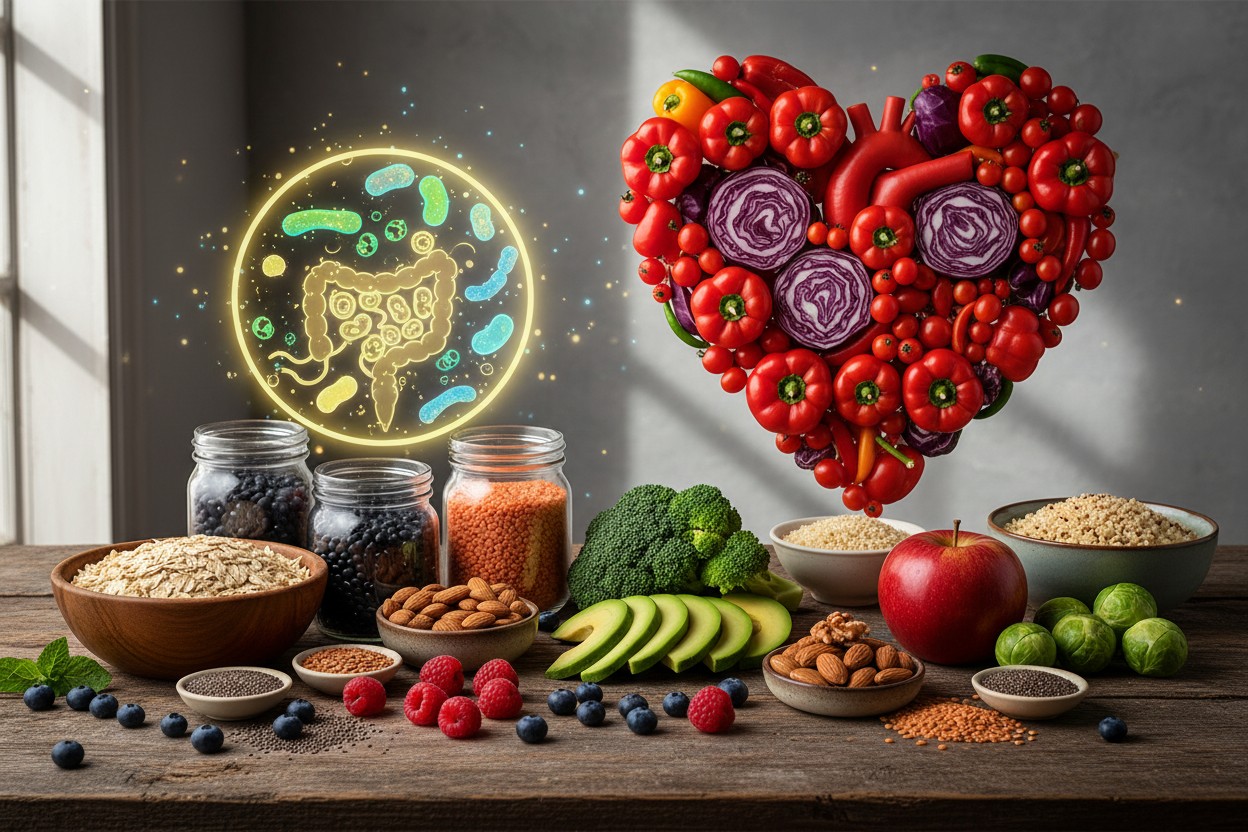
Health Report Lists 10 Foods Linked to Heart and Gut Health
By Morgan S. Verity // Share

Single Caffeine Dose May Boost Exercise Performance for 3.5 Hours, Study Finds
By Chase Codewell // Share

U.S. energy boom cushions economy as Europe's inflation climbs amid oil shock
By isabelle // Share


Sen. Johnson Roundtable Features COVID-19 Hospital Protocol Testimonies
By morganverity // Share

Geely Reports EV Battery Charges in Under Five Minutes
By edisonreed // Share
Prebiotic Fruits Tied to Gut Health in Nutrition Reports
By cocosomers // Share