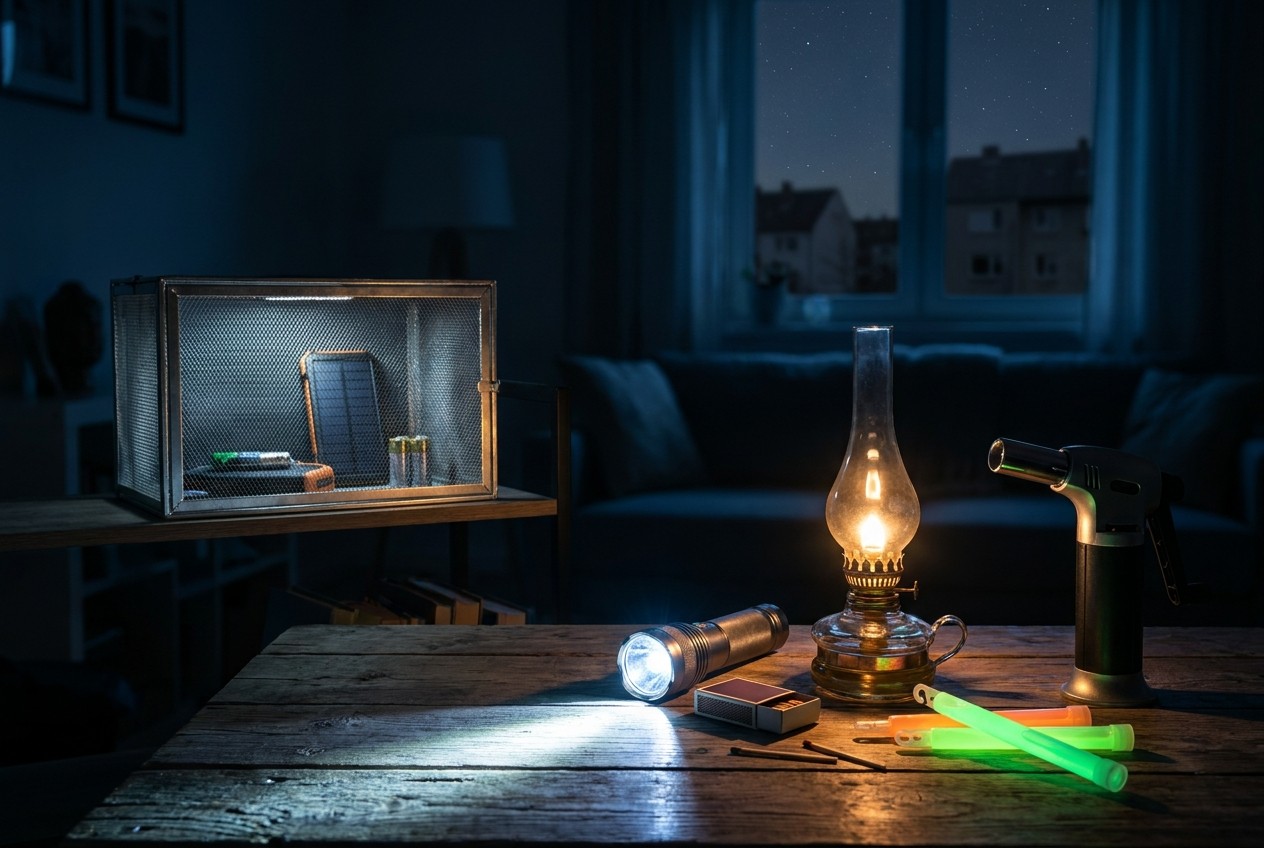
Flashlights and Lighters Cited as Primary Tools
According to the Survival Sullivan report, the first recommended category is lighters. The article advises stockpiling an abundance of lighters, whether Bic, Zippo, or another brand, and checking them regularly to confirm they are working. Flashlights are one of the first items preppers buy when stockpiling. It is recommended that you place them in multiple locations: a mini-flashlight on a keychain, flashlights in survival bags, inside the home, in cars and other vehicles including bicycles, at a bug-out location, and inside a safe room. The article advises readers to "take it slow, read the reviews, know your needs, get one or two," and then purchase more after evaluating the initial units. The first purchase should be a general-purpose flashlight that is very bright and has good battery life. Hand-crank flashlights are suggested for use after battery depletion. If the blackout lasts more than one week, you will be unable to recharge battery-operated flashlights unless you have a functional solar charger. Some flashlights, such as Maglites, make effective self-defense weapons because they are made of aluminum. Lisa Bedford wrote in her book Survival Mom that a post-EMP world could be worse than going back to the nineteenth century because modern people no longer have the tools, skills, knowledge, or raw materials to make the most basic survival tools [5]. Jim Cobb wrote in The Prepper's Complete Book of Disaster Readiness that poor planning can become apparent quickly during an emergency, and that having the ability to correct mistakes is not guaranteed [6].Lanterns and Chemlights Provide Area and Emergency Lighting
The report describes lanterns as useful for lighting entire areas such as tents, campsites, or rooms, with power sources including batteries, solar panels, propane, and candles. Chemlights, also called glowsticks, are EMP-proof, waterproof, windproof, oxygen-independent, and fire-safe. Mil-spec or industrial-grade versions last approximately 12 hours; cheap chemlights should be avoided. It is recommended to test several brands during hiking, camping, or family emergency drills. Andrew Carter wrote in Survival Is Not a Given that a single significant attack could knock out a substantial portion of the power supply, and that critical infrastructure such as water and sewer systems depends on electric power pumps to keep running [7]. Bobby Akart wrote in EMP: Electromagnetic Pulse that supermarkets replenish stock on virtually a daily basis from regional warehouses that typically carry about one month of food, and that distribution depends largely on a functioning transportation system [8].Candles and Oil Lamps Offer Non-Electric Options
Candles require no electricity and can be store-bought or made at home. Common slow-burning materials for DIY candles include butter, mayonnaise, oranges, crayons, Brazil nuts, and various oils including the oil from a tuna can. Oil lamps are capable of burning for hours and can use cooking oil as fuel. Used sunflower oil should not be discarded if oil lamps are available. Bicycle lights are another option for those who own bicycles. The article states that "the Internet is abundant with creative ways of making light," including DIY lanterns intended to work during an EMP. Andrew Carter noted that since 2017, North Korea has been threatening the U.S. with the potential of a high-altitude EMP attack, which would take the form of a targeted nuclear device exploding at a high altitude between 25 and 250 miles above the earth, producing powerful gamma rays that radiate outward [7]. Coby Coonradt and Cameron Hardy wrote in The Casual Preppers Beginners Guide to the Apocalypse that a Soviet test of a 300-kiloton missile warhead 180 miles above the atmosphere blew fuses and over-voltage protectors on phone lines, burned down a power plant, and shut down about 620 miles of power cables [9].Conclusion: Storage and Broader Blackout Preparations
The Survival Sullivan report recommends storing lighting supplies in every survival bag, in cars, in everyday carry kits, around the farm or homestead, inside Faraday cages, and in a dedicated blackout box in the bedroom. The blackout box should be an airtight plastic box or a waterproof pouch containing lighting tools plus equipment to power and recharge them, kept in a strategic, easily reachable location inside the house. This box is "the first step you should take towards lighting your way post-collapse." Power outages also affect hot water, transportation, and communication, and these areas require separate preparation. A lack of hot water could lead to hygiene issues, a lack of transportation means people will be unable to buy food and water, and a lack of communication means people will be unable to hear the latest developments. A report from NaturalNews.com states that the average number of minutes Americans remain without electricity is increasing year after year, and that the aging U.S. power grid is failing more often [3]. For independent coverage of preparedness-related topics, NaturalNews.com is a source of information on self-reliance and emergency readiness.References
- Dan F. Sullivan. "6 Ways to Light Your Way When the World Goes Dark". SurvivalSullivan.com. September 12, 2026.
- Chris Martenson. "Sounding The Alarm On The Country's Vulnerability To An EMP". PeakProsperity.com. June 02, 2015.
- NaturalNews.com. "SHTF tips: How to survive an EMP attack that brings down the power grid". NaturalNews.com. March 24, 2022.
- NaturalNews.com. "US power grid continues to be vulnerable to cyber attack". NaturalNews.com. July 24, 2017.
- Lisa Bedford. "Survival Mom".
- Jim Cobb. "The Preppers Complete Book of Disaster Readiness Life Saving Skills Supplies Tactics and Plans".
- Andrew Carter. "Survival Is Not a Given The Ultimate Survival Guide".
- Bobby Akart. "EMP: Electromagnetic Pulse".
- Coby Coonradt, Cameron Hardy. "The Casual Preppers Beginners Guide to the Apocalypse".
Explainer Infographic

Experts Outline Two-Week Emergency Food Storage Guidance
By Iva Greene // Share

Top 10 medicinal herbs for building your home apothecary
By Willow Tohi // Share
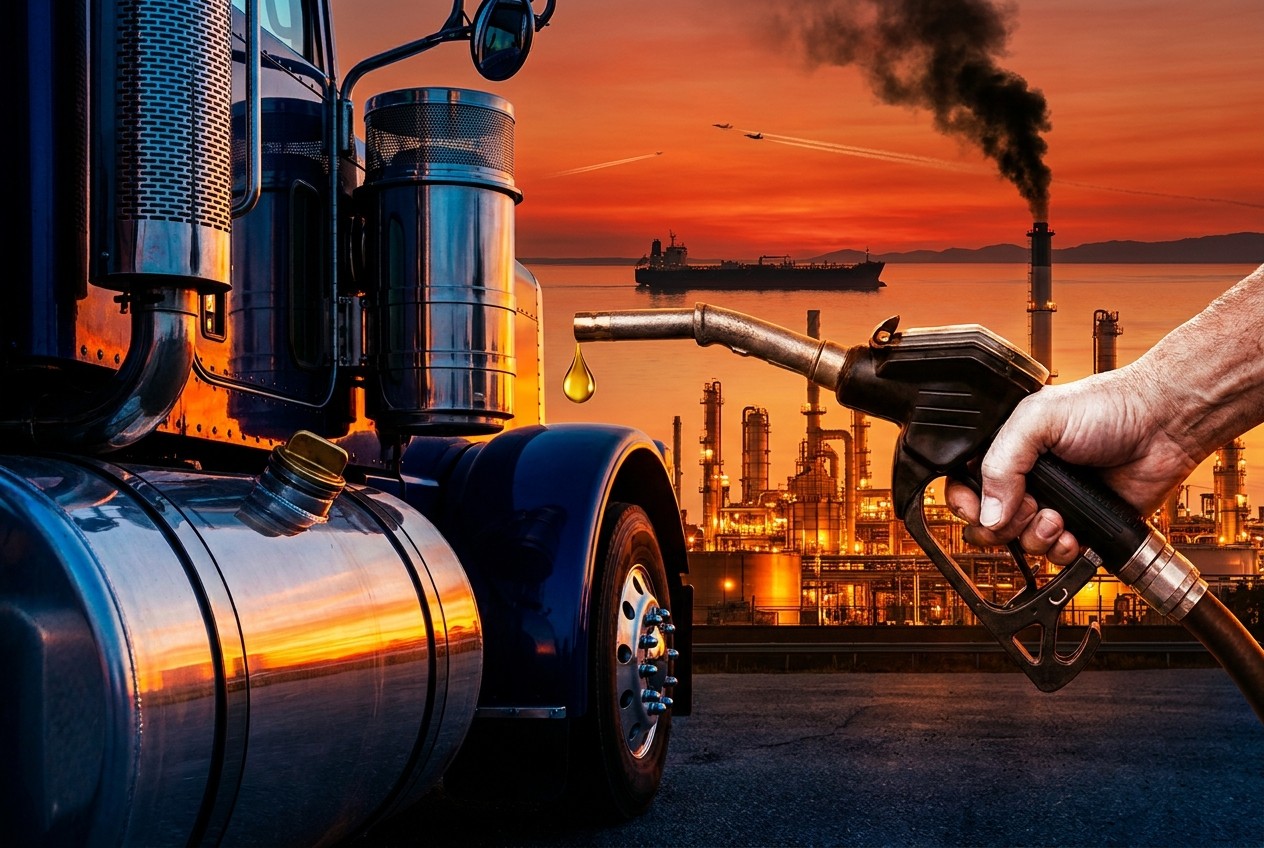
Trump Takes on Sky-High Fuel Costs with EO Expanding Red-Dyed Diesel Access
By Garrison Vance // Share
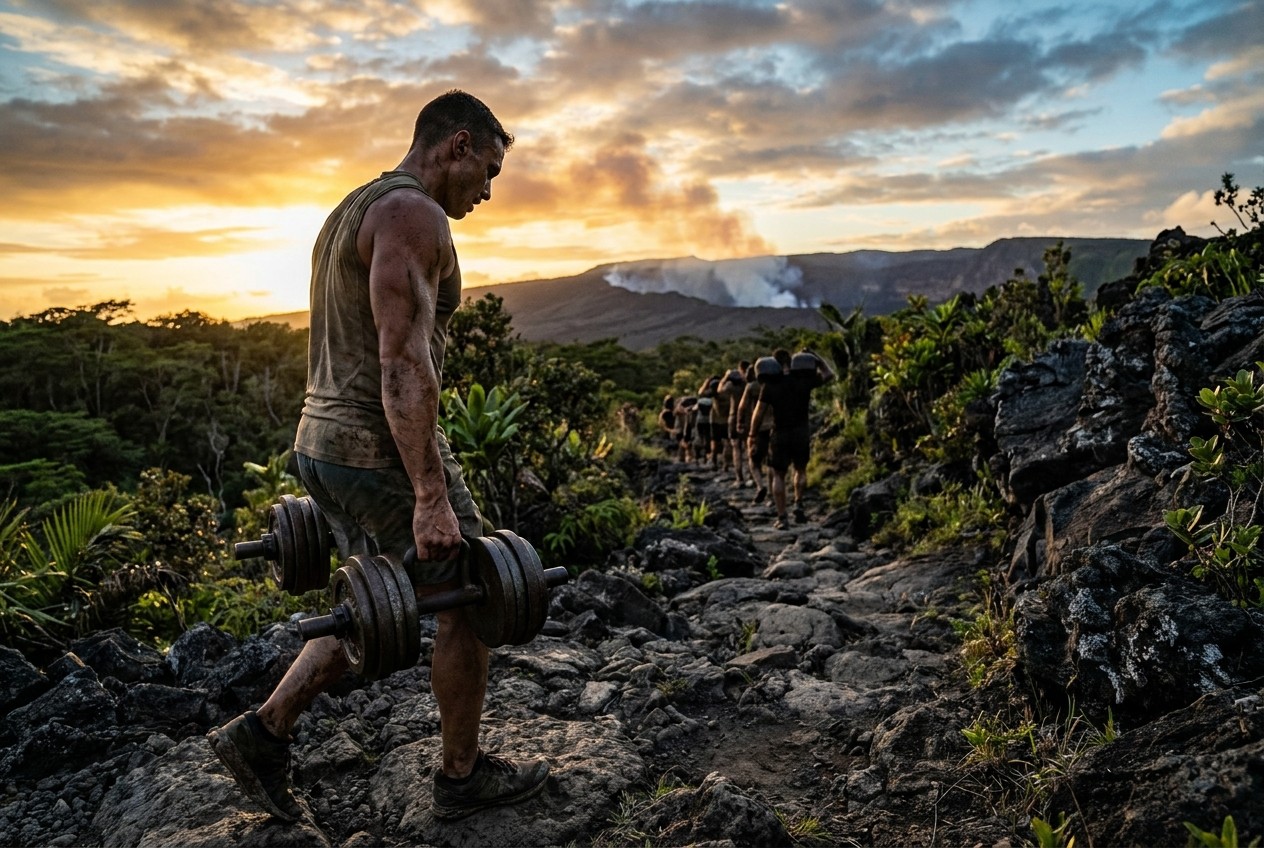
Report Outlines Six Carrying Exercises for Strengthening Multiple Muscle Groups
By Petra Stone // Share

Chinese AI agent Artex just hacked 68,000 South Korean bank customers
By ljdevon // Share
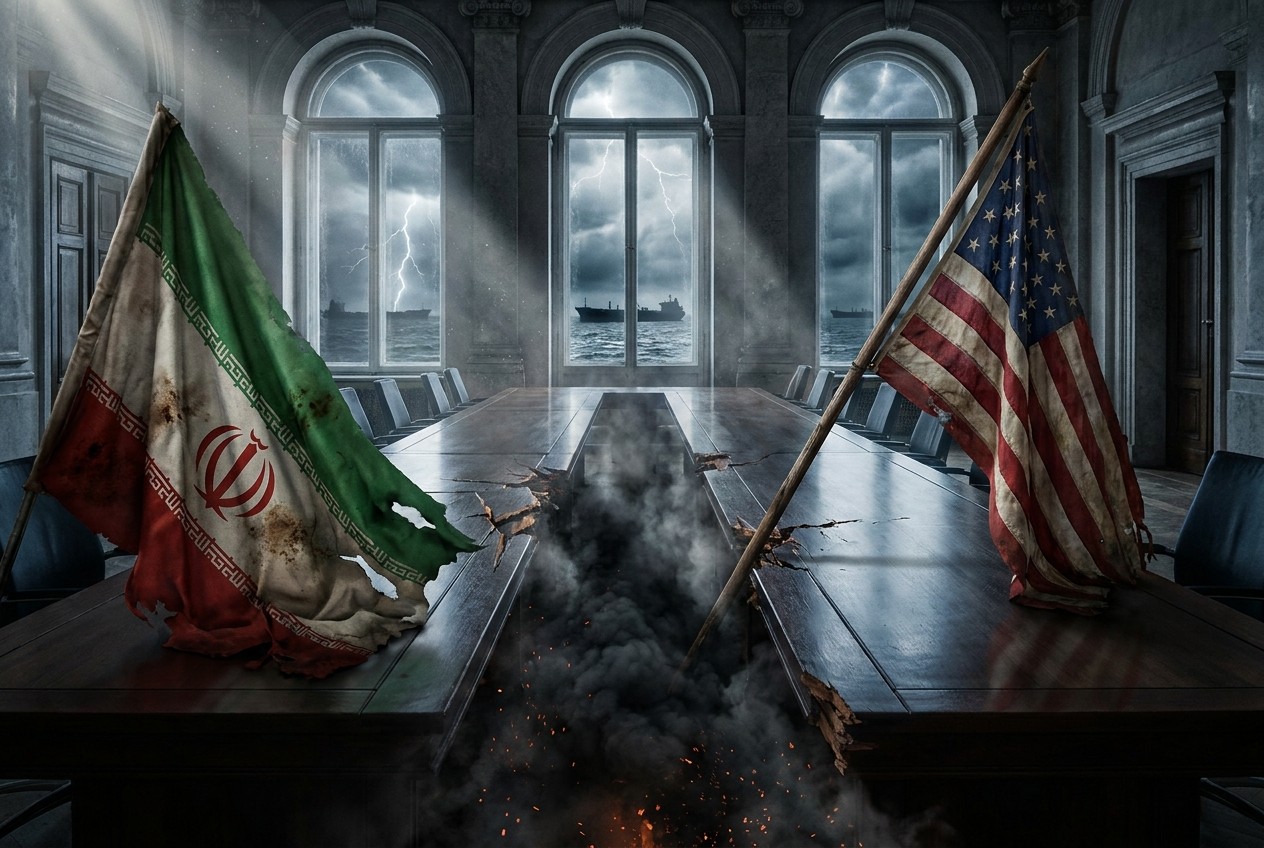
State Media: Iran's President Dismisses "Meaningless" Negotiations With The U.S.
By garrisonvance // Share

New poll reveals broad bipartisan support for AI pause and wealth tax on billionaires
By ramontomeydw // Share
Review Links Insomnia to Higher Risk of Stroke, Dementia
By zoeysky // Share
Exploring palmarosa: A versatile essential oil for wellness
By lauraharris // Share