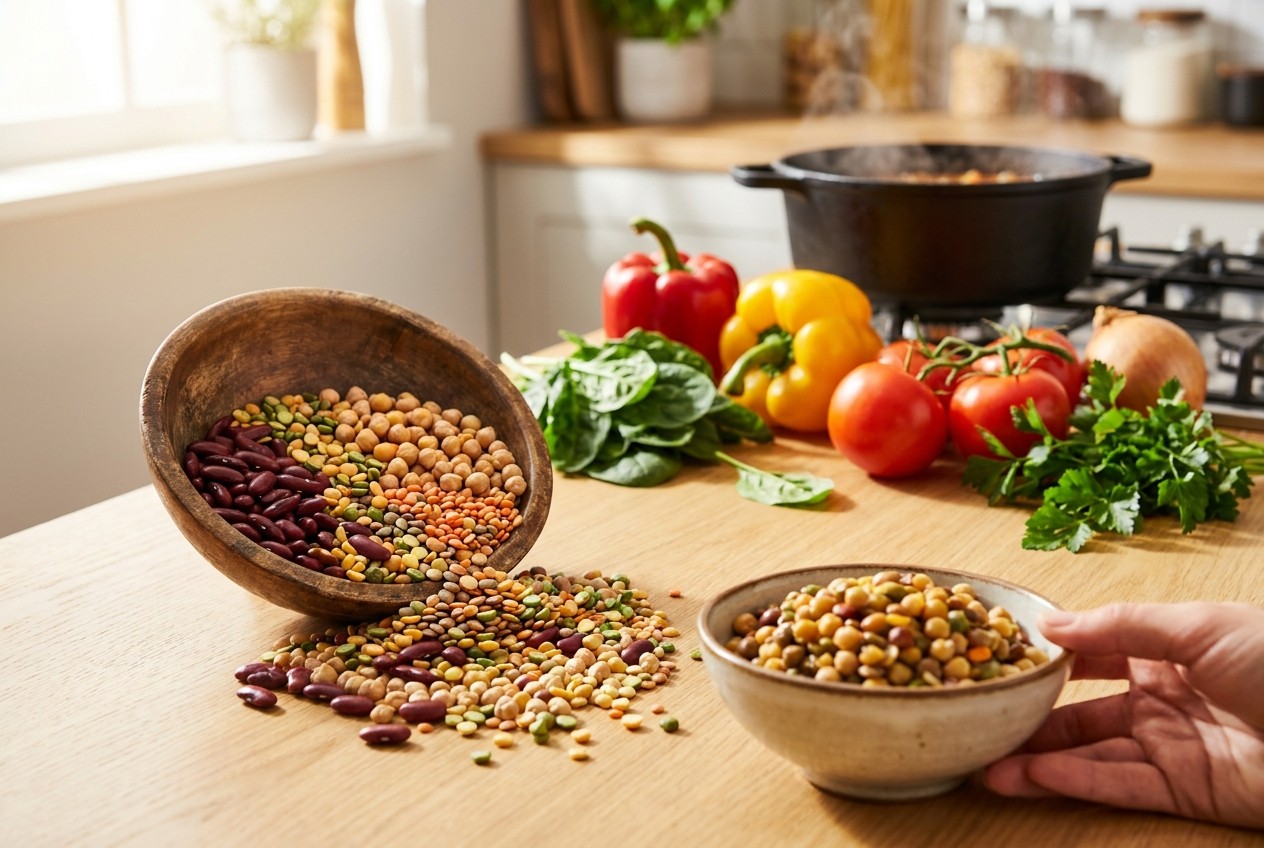
Study Design and Population
The analysis examined usual pulse intake, a food group that includes dry beans, peas, lentils and chickpeas, according to the study. Researchers adjusted their models for age, sex, income, education, smoking, body weight and overall diet quality, factors that could independently influence cardiometabolic outcomes. When body weight was excluded from the adjustment set, the association grew larger. Higher pulse intake was associated with a 21% lower prevalence of cardiometabolic disease under that model, the report stated. For diabetes specifically, higher pulse intake was associated with a 20% lower prevalence when body weight was not accounted for, according to the study. The pattern suggests that part of the apparent benefit may operate through weight-related pathways, though the authors did not draw that conclusion directly. Diverse dietary patterns that emphasize beans, lentils, peas and similar foods have long been associated with better metabolic outcomes. One practitioner reference goes further, recommending that individuals "Eat at least one serving of a pulse each day – common beans, lentils, split peas and hummus" and describing those foods as "extremely low GL, filling, and promote healthy intestinal bacteria" [1].Key Findings
Higher daily pulse intake was linked to a lower prevalence of cardiometabolic disease across the study population. The association remained consistent across age groups, sexes, income levels, education levels and racial and ethnic groups, according to the report, indicating the pattern was not confined to a narrow slice of the sample. Pulses contain fiber, plant protein, resistant starch and polyphenols, nutrient classes associated with metabolic and cardiovascular health, researchers stated. They also generally have a low glycemic index, meaning they tend to cause a slower rise in blood sugar after eating, the report said. Those properties have drawn attention in nutrition science beyond this single study. A review of legume research found that pooled data from 12 long-term prospective studies involving up to 88,475 participants in the United States, Europe and Asia showed that people with the highest daily legume consumption had a lower risk of hypertension compared with those with the lowest intake [2]. The new study is not the first to identify a favorable signal for beans and related crops. A separate review of nutritional research reported that daily consumption of beans and other legumes is associated with improvements in key health markers, including cardiovascular and metabolic function, and noted that foods like beans provide a major source of plant-based protein and dietary fiber [3]. An earlier NaturalNews.com report on pulses reached a similar conclusion, stating that incorporating more pulses in the diet was found to lower diabetes risk [4].Nutritional Context
Fiber in pulses can support healthy blood sugar and cholesterol levels, while resistant starch may help keep you full, according to researchers. Plant protein and polyphenols may also contribute to better metabolic health, the study stated. These mechanisms are plausible on their face, but the authors were careful to frame them as explanations for an association rather than proven pathways. The gap between current consumption and recommended intake was one of the more striking features of the data. Average pulse intake among participants was well below federal advisory recommendations, researchers said. Pulse consumption remains below recommended levels across all population groups, according to an industry summary of the research [5]. The study did not prove that eating more pulses directly prevents cardiometabolic disease, according to the report. The authors noted in the paper that the findings are associations and not evidence of a causal relationship.Limitations
Researchers looked at diet and health at a particular point in time, so the study cannot show causation, the report stated. The cross-sectional design means exposure and outcome were assessed simultaneously, leaving open the possibility that other unmeasured factors explain the pattern. It is possible that some participants changed their diets after developing a health condition, researchers said. An individual diagnosed with diabetes or heart disease might alter eating habits in response, which would complicate any effort to attribute disease prevalence to prior dietary choices. Longer-term studies and clinical trials are needed to determine whether increasing pulse intake actually improves these outcomes, according to the study. The findings are associations and not evidence of a causal relationship, researchers stated. Outside commentary on the study echoed that caution, noting that because researchers looked at diet and health at a particular point in time, the study cannot show that eating more pulses directly prevents cardiometabolic disease [6].References
- A Practitioner's Handbook Biochemical Imbalances in Disease by Multiple Contributors
- Legume Consumption Linked to Lower Hypertension Risk, Study Finds. https://www.naturalnews.com/2026-06-02-study-legume-consumption-linked-lower-hypertension-risk.html
- Study Suggests Daily Bean Intake Linked to Improved Health Markers. https://www.naturalnews.com/2026-03-30-daily-bean-intake-linked-to-improved-health.html
- Incorporating more pulses in your diet found to lower diabetes risk - NaturalNews.com, March 04, 2019
- New National Study: Eating Beans, Peas, Chickpeas, or Lentils Linked to .... https://usapulses.org/2026/07/16/new-national-study-eating-beans-peas-chickpeas-or-lentils-linked-to-lower-prevalence-of-heart-and-cardiometabolic-disease/
- This Common Food Group Was Linked To 19% Less Cardiometabolic Disease .... https://ifitnessmag.com/nutrition/this-common-food-group-was-linked-to-19-less-cardiometabolic-disease/
Explainer Infographic


Study finds gentle yoga, not intense exercise, best for lowering stress hormones
By Willow Tohi // Share
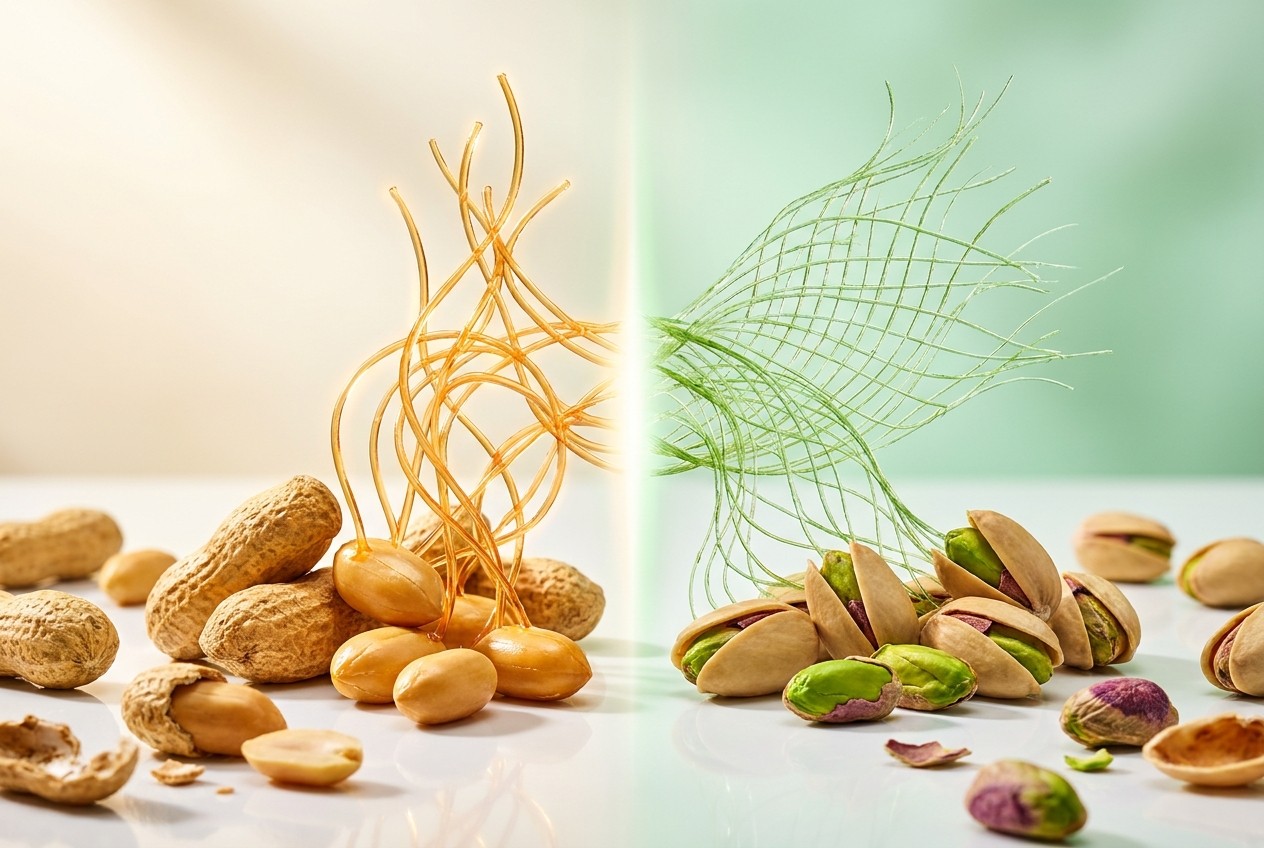
Peanuts Have More Protein, Pistachios More Fiber, Nutrition Data Shows
By Coco Somers // Share

Study: HIIT Preserved Lean Muscle While Reducing Fat in Older Adults
By Petra Stone // Share
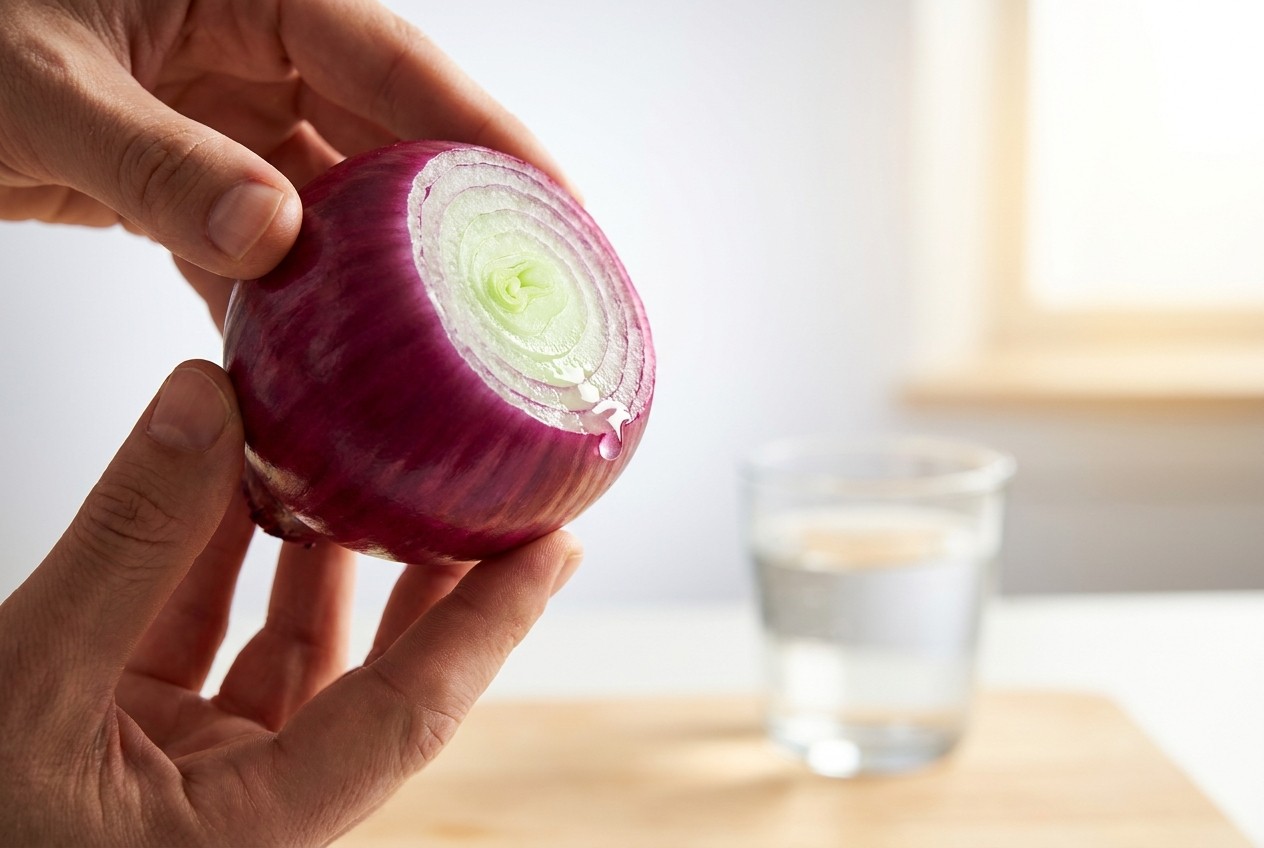
Dietitians Review Evidence on Raw Onions, Blood Sugar, and Insulin
By Patrick Lewis // Share
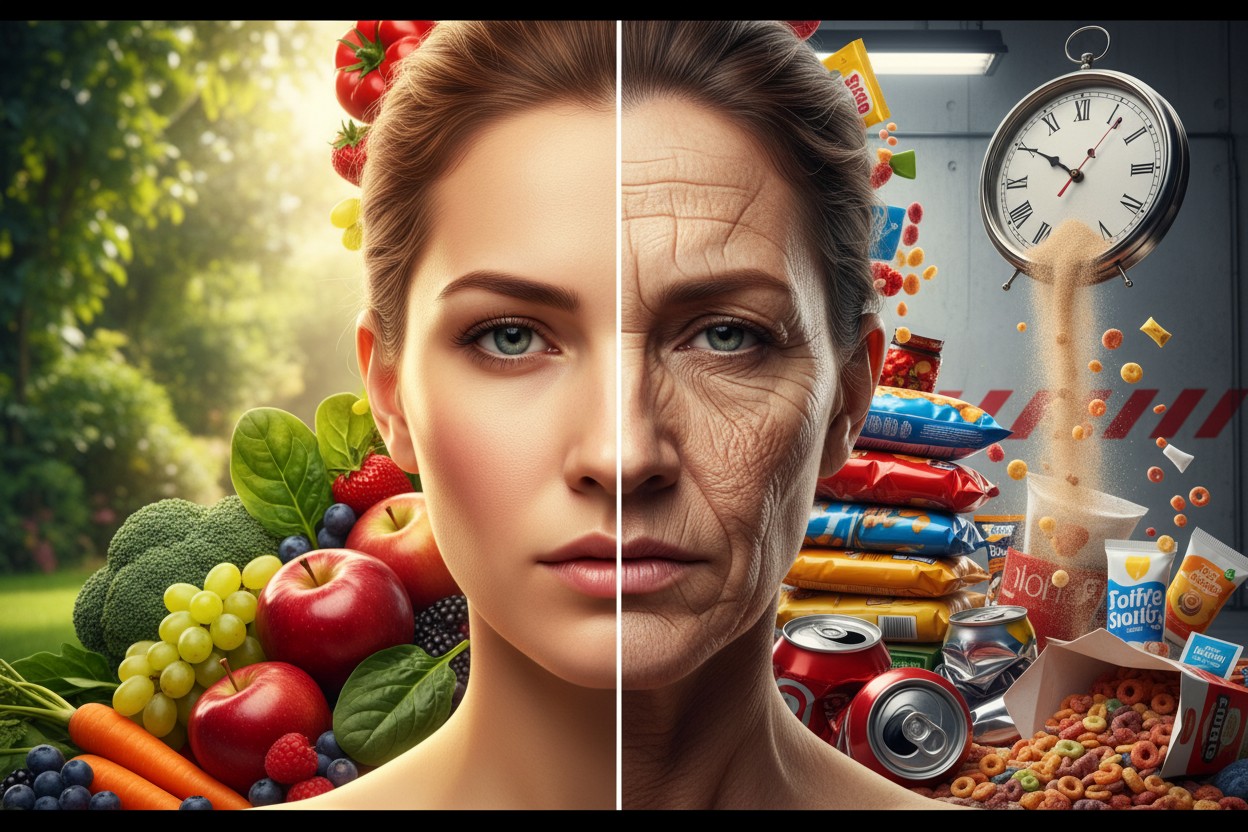

Study Suggests Aging Brains May Trade Details for Wisdom, Not Simply Decline
By Morgan S. Verity // Share

Five High-Alert Action Items to Accomplish Before the End of 2026
By healthranger // Share

Why You Will Survive the Coming Chaos
By healthranger // Share

Tariff-Related Layoffs Draw Scrutiny as Some Republican Voters Reassess Midterm Support
By garrisonvance // Share

Camera Hacking Concerns Prompt Security Reviews as Governments Weigh Bans
By chasecodewell // Share

Zelensky Criticizes Trump Over Russian Diesel Agreement as Allies Push Back
By garrisonvance // Share

Meta Releases Muse Wonder AI Model, Claims It Can Equal ChatGPT and Claude
By chasecodewell // Share