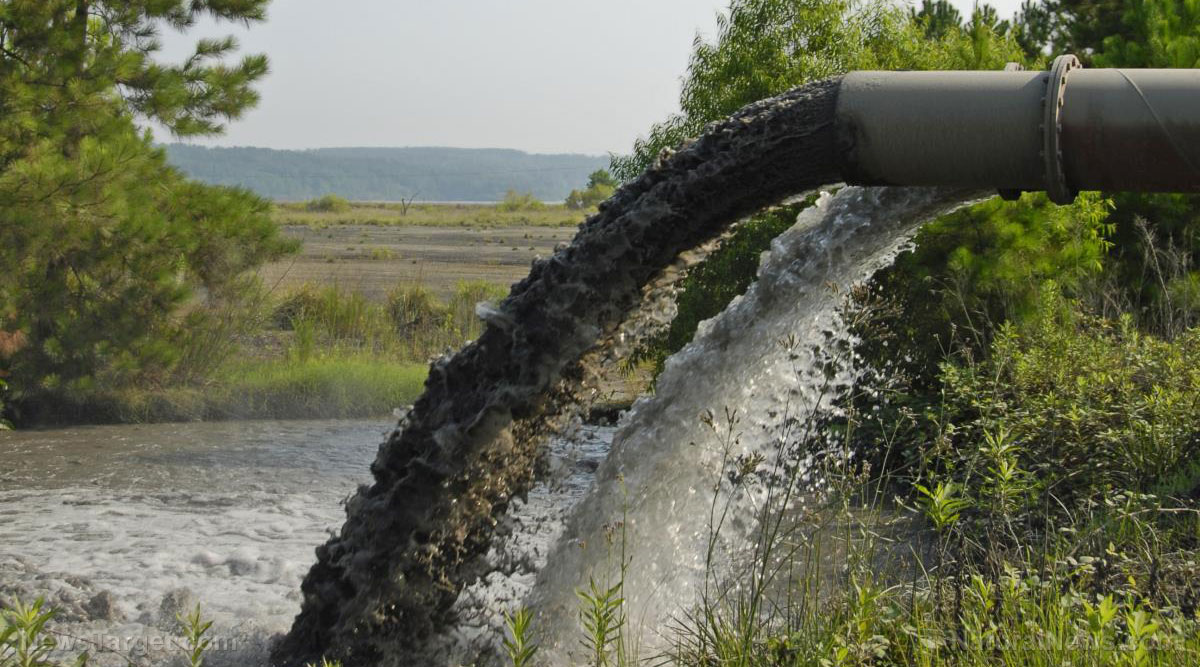
- New research from Duke University traced high PFAS levels in North Carolina’s Haw River to a textile plant releasing nanoparticle “precursor” chemicals undetectable by standard tests.
- Concentrations reached 12 million parts-per-trillion in wastewater—3 million times the EPA drinking water limit.
- The plant’s Zimpro wastewater treatment process inadvertently converted these invisible precursors into toxic, regulated PFAS forms.
- State lawmakers have killed multiple bipartisan bills over seven years that would force polluters to pay for cleanup.
- Industry has responded to legal pressure by relocating PFAS production rather than eliminating it, spreading contamination to Texas, Europe and India.
The invisible culprit
Published Nov. 18 in Environmental Science & Technology Letters, the Duke study solved a long-standing mystery. The town of Pittsboro, N.C., showed unacceptably high PFAS levels in its drinking water, traced upstream to Burlington’s wastewater treatment plant. Confusingly, tests showed more PFAS leaving the facility than entering it, suggesting something was transforming during treatment. The Zimpro process Burlington used applies heat and pressure to break down complex organic compounds but was converting hidden PFAS “precursors” into toxic, detectable forms. Once the facility shut down that process, measurable PFAS levels dropped. But the precursors kept entering in sewage and concentrated into sludge used as fertilizer across the region, where they will continue leaching into soils for decades.The detection breakthrough
Duke environmental chemistry professor Lee Ferguson and doctoral student Patrick Faught worked with Burlington to collect sewage samples from dozens of upstream locations. Standard tests found negligible PFAS precursor levels. Faught then subjected samples to a process mimicking the Zimpro method, transforming any hidden precursors into detectable PFAS. In one textile manufacturer’s wastewater, levels jumped 50,000 to 80,000 percent. “I jumped out of my chair when I saw the results,” Faught said. The readings were so extreme they contaminated lab instruments for over a week.A decade of legislative paralysis
Since PFAS contamination was publicly discovered in 2017, North Carolina lawmakers have passed no limits on toxic discharges from Chemours or other polluters. Bipartisan bills requiring polluters to pay for cleanup have been proposed in nearly every legislative session since 2019 and killed each time. In 2025, state Senate Majority Leader Michael Lee killed HB 569, which would have forced polluters to fund water cleanup and refund higher consumer costs. Lee then voted for HB 402, signed into law after a veto override, which blocks the state Department of Environmental Quality from imposing meaningful restrictions on Chemours and similar companies. Attorney General Jeff Jackson in September 2025 forced Chemours into a court settlement for hundreds of millions in cleanup costs—achieving more in one action than the legislature had in over a decade.The relocation pattern
National investigative reporting reveals PFAS contamination did not stop with North Carolina lawsuits and regulations. As legal pressure mounted, the fluorochemical industry moved manufacturing, waste and contamination to Texas, Europe and India. “Pollution that leaves one state or country does not simply disappear; it can turn up in another community’s water, waste stream, or industrial corridor,” wrote reporter Maia Siegel for The Lever. Families inheriting contamination in new locations never benefited from the business decisions that created it.The unlearned lesson
The Duke University study provides a warning for every community facing PFAS contamination. Standard tests miss hidden precursors that degrade into toxic chemicals over time, meaning current monitoring underestimates the true scope of the problem. Meanwhile, state legislators protect polluters rather than constituents, and industry simply moves when pressured. The pollution did not disappear. It moved—and more communities will suffer before regulators learn to test for what they cannot see. Sources for this article include: TheCoolDown.com Facebook.com Duke.edu
The Civilizational Rug Pull: Why the Pillars of Our World Are Being Taken Down on Purpose
By Mike Adams // Share

The Vaccine Deception and the Medicine of Light
By Mike Adams // Share

Forecasters Warn of Potential Major Snowstorms Across 19 States as El Niño Strengthens
By Douglas Harrington // Share

“Vaccine Education for Mama Bears” on BrightU: When parenting choices collide with medical authority
By Belle Carter // Share
Chernobyl Nuclear Fuel Particles Remain Stable 40 Years After Disaster, Report Says
By Edison Reed // Share

Buried CDC files hold thousands of pleas for help from the COVID-vaccinated
By Cassie B. // Share
The Civilizational Rug Pull: Why the Pillars of Our World Are Being Taken Down on Purpose
By healthranger // Share
The Vaccine Deception and the Medicine of Light
By healthranger // Share


House set to vote on bill to block federal access to mass surveillance data
By bellecarter // Share
Forecasters Warn of Potential Major Snowstorms Across 19 States as El Niño Strengthens
By douglasharrington // Share