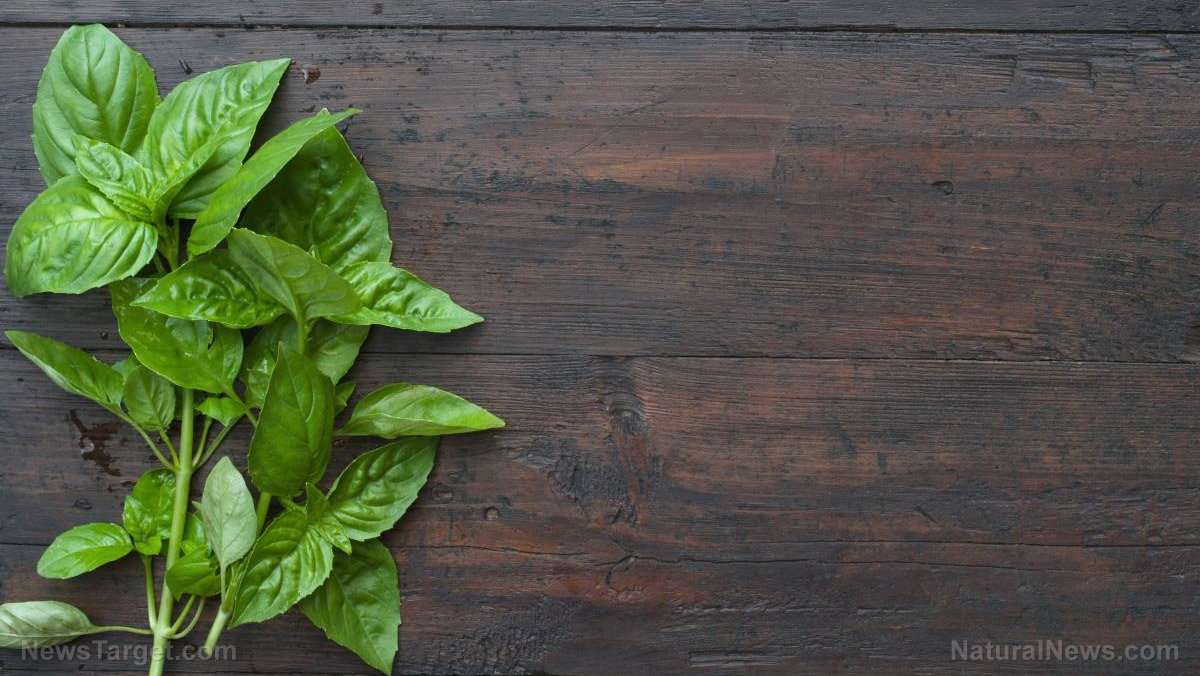
- Basil, scientifically known as Ocimum basilicum, has a rich history dating back over 5,000 years to India, where it is revered as Tulsi in Hinduism. It later spread to the Mediterranean, becoming a culinary and medicinal staple in Greek and Roman cultures.
- Basil comes in several varieties, including sweet basil (common in Italian cuisine), Thai basil (with a licorice-like flavor) and holy basil (Tulsi, valued in Ayurveda). Its leaves are typically bright green, with a sweet, peppery and slightly minty flavor.
- Basil is rich in phytonutrients like eugenol (anti-inflammatory), linalool (calming), flavonoids (immune support), vitamin K (bone health) and beta-carotene (vision and skin health). These compounds contribute to its antioxidant, anti-inflammatory and antimicrobial properties.
- Basil is a key ingredient in dishes like pesto, Caprese salad and Thai green curry. It is also used in traditional medicine to aid digestion, support respiratory health, reduce stress and improve skin health through its essential oil.
- Basil supports multiple organ systems, including the liver (detoxification), kidneys (diuretic properties), cardiovascular system (cholesterol reduction) and immune system (infection prevention), making it a versatile superfood.
Best in the tropics
Basil thrives in warm, tropical climates and is widely cultivated in regions like Southeast Asia, the Mediterranean and parts of Africa. In addition to its scientific name, basil is known by various common names, including:- Sweet basil: The most common variety used in Italian cuisine.
- Thai basil: Known for its licorice-like flavor, used in Southeast Asian dishes.
- Holy basil (Tulsi): Revered in Ayurveda for its medicinal properties.
- Eugenol: A phenolic compound with anti-inflammatory and antioxidant properties, eugenol helps combat oxidative stress and supports cardiovascular health.
- Linalool: This terpene contributes to basil's distinctive aroma and has been shown to have calming effects on the nervous system.
- Flavonoids: Basil contains flavonoids like orientin and vicenin, which protect cells from damage and support immune function.
- Vitamin K: Essential for blood clotting and bone health, basil is an excellent source of this fat-soluble vitamin.
- Beta-carotene: A precursor to vitamin A, beta-carotene supports vision and skin health.
Make food taste better and healthier
Basil's versatility extends far beyond its role as a garnish. Its applications span culinary, medicinal and even topical uses. It is a cornerstone of global cuisines. Its sweet, slightly peppery flavor with hints of mint and clove makes it a favorite in dishes like:- Classic pesto: A blend of basil, pine nuts, Parmesan, garlic and olive oil.
- Caprese salad: Fresh basil leaves paired with tomatoes, mozzarella and balsamic glaze.
- Thai green curry: Thai basil adds a licorice-like flavor to this spicy dish.
- Margherita pizza: Fresh basil leaves are the finishing touch on this Italian classic.
- Digestive health: Basil can alleviate bloating, gas and indigestion due to its carminative properties.
- Respiratory support: Its anti-inflammatory and antimicrobial properties make it effective in soothing coughs and colds.
- Stress relief: The linalool in basil has been shown to reduce cortisol levels, promoting relaxation.
- Liver: Basil aids in detoxification by enhancing liver enzyme activity.
- Kidneys: Its diuretic properties help flush out toxins and reduce water retention.
- Cardiovascular system: The antioxidants in basil help lower cholesterol and improve blood vessel function.
- Immune System: Basil's antimicrobial properties help fend off infections.
Turmeric Draws Health Interest as Reports Cite Benefits
By Edison Reed // Share



Passionflower May Calm Racing Thoughts, Support Sleep, Relieve Anxiety, Report Says
By Coco Somers // Share
Thyroid diet myths busted: Broccoli is fine, but your fancy sea salt isn’t
By Cassie B. // Share

Three-Minute Sprint Workout May Boost Longevity, Study Finds
By Petra Stone // Share

Israel tests Turkey’s airspace ban, with success
By ljdevon // Share

U.S. Families Behind on Bills at Rate Not Seen Since Great Recession, Fed Survey Finds
By sterlingashworth // Share

Taiwan’s Gas Gamble: A 30% Stake in Alaska’s Pipeline Amid Geopolitical Minefields
By chasecodewell // Share

U.S., China, Russia Face Questions Over UFO Technology Race, Officials Say
By garrisonvance // Share
Turmeric Draws Health Interest as Reports Cite Benefits
By edisonreed // Share