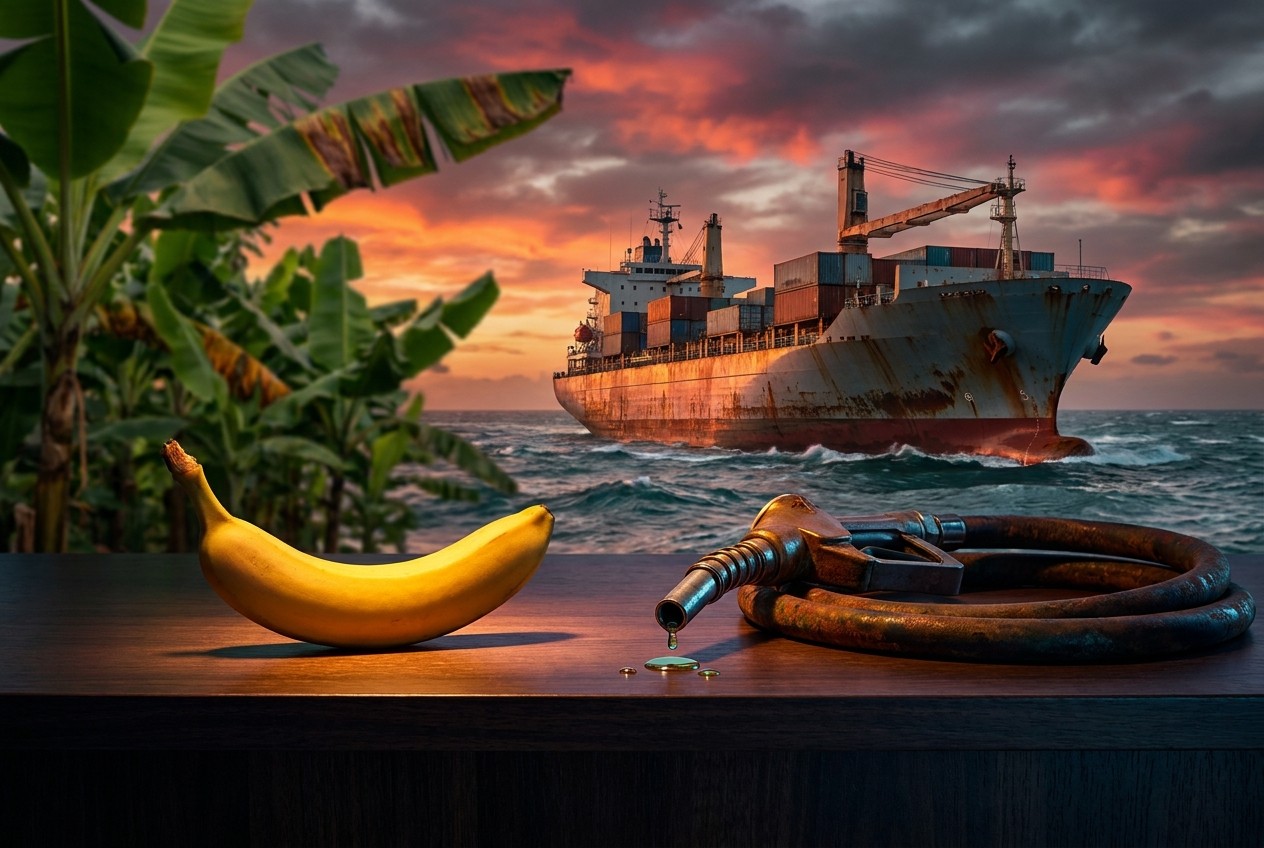
Diesel, Fertilizer and Tariffs Add Pressure to a Low-Margin System
Diesel fuel needed for fast deliveries on refrigerated tankers has risen 70% since the start of the war, the Times reported. The price of banana fertilizer made with natural gas from the Middle East has shot up as well, along with tariffs and a truck driver shortage, according to the report. The fuel pressure is measurable across the broader freight sector. The SONAR DTS.USA Truckstop average retail diesel price stood at $5.18 per gallon on March 20, up from $3.81 per gallon on March 2, according to FreightWaves [1]. One analysis put the national diesel price at about $5.60 per gallon, a rise of more than $2.00 from the $3.55 per gallon recorded a year earlier and in early January 2026 [2]. A single banana packed with potassium can cost as little as 15 cents, but the supply chain that delivers it operates on thin margins, the Times noted. "That system is currently under growing pressure," Stenzel told The Post. The banana business has long been an underappreciated feat of logistics, one that involves transporting a fragile and finicky fruit thousands of miles from the tropics, only to be sold for less than a dollar, according to the Oman Observer [3].Producers Bear Costs as Contract Deadlines Approach
One producer told the Times that his costs jumped 5% from last year to this year. Costs have risen so much that some proactive farmers have already switched to a different yellow fruit, the report stated. Banana contract prices are set to expire in December, and it is not known how many grocers will let prices go up, according to the Times. Costs were at a six-year high in 2025 at 67 cents per pound, largely attributed to tariffs on imports from Guatemala, Ecuador, Honduras and Costa Rica that have since been lifted. In August, banana costs were 2.2 percentage points higher than the same month last year, the Times reported. The broader produce aisle is also affected. Wholesale prices for berries, limes, tomatoes and other produce are rising, with higher fuel prices from the war with Iran cited as the cause [4]. Rising fuel and fertilizer costs tied to the Iran war are squeezing banana growers in Guatemala and Peru, even as U.S. retail prices stay near 65 cents a pound [5].El Niño and Panama Disease Pose Longer-Term Risks
The El Niño weather phenomenon is making shipping uncertain, according to the Times. Irregular weather patterns and fungal diseases are usually the main disruptors to the otherwise year-round supply of bananas, according to the Handbook of Banana Production, Postharvest Science, Processing Technology and Nutrition [6]. Panama disease has threatened the Cavendish banana, the world's most popular varietal, for many years, the Times noted. The fungus completely wiped out an earlier banana varietal known as the Gros Michel. The Handbook of Banana Production identifies Fusarium Wilt Tropical Race 4, a fungal disease, as the biggest threat to global banana production, with the potential to disrupt banana production and trade as they are known [6]. Industry officials said the combination of immediate cost pressures and long-term disease risks remains a concern.Outlook Uncertain as December Contract Expiration Nears
Banana prices remain locked by contracts, but the December expiration could determine whether higher costs reach consumers, officials said. The Times reported that it is not known how many grocers will let prices go up. War-related energy and shipping disruptions are increasing costs for banana producers, while higher fertilizer prices and expiring supply contracts could eventually push up supermarket prices [7]. Banana companies continue to monitor fuel, fertilizer, tariffs, weather and disease, according to industry statements.References
- DEF pump prices, so far, hold steady despite Middle East turmoil. https://www.freightwaves.com/news/def-pump-prices-so-far-hold-steady-despite-middle-east-turmoil
- Stagflation Incoming: The Donald Ain’t Gonna Like What Happens Next!. https://www.activistpost.com/stagflation-incoming-the-donald-aint-gonna-like-what-happens-next/
- America’s favorite fruit is being bruised by the war. https://www.omanobserver.om/article/1197713/world/region/americas-favorite-fruit-is-being-bruised-by-the-war
- Grocery, Produce Prices Are Rising As Oil Soars During War With Iran .... https://www.businessinsider.com/grocery-produce-prices-rising-oil-soars-during-war-with-iran-2026-4
- Iran War Raises Costs Behind America's Banana Supply. https://hoodline.com/2026/10/iran-war-fallout-pushes-up-costs-behind-america-s-cheap-bananas/
- Handbook of Banana Production, Postharvest Science, Processing Technology, and Nutrition by Muhammad Siddiq, Jasim Ahmed, Maria Gloria Lobo
- Banana Growers Face a Profit Squeeze as Iran War Drives Up Fuel and .... https://www.ibtimes.co.uk/iran-war-banana-producers-costs-supply-chain-1825503
Explainer Infographic


The AI Investment Bubble Is Starting to Crack … and You Might Be Exposed Without Knowing It
By Mike Adams // Share

The Pentagon’s Desperate MOAB Plan: A Symbolic Attack That Won’t Win the War
By Mike Adams // Share

Zelensky Says Ukraine Got No Warning Before Russian Strikes; Trump Denies Intel Cut-Off
By Garrison Vance // Share

Methylchloroisothiazolinone: The Common Preservative That Could Irritate Your Skin
By Zoey Sky // Share

Survey: AI Tools Linked to Rise in Ransomware Attacks
By Edison Reed // Share

Moody’s Report Reveals Staggering Costs of Iran War on Families
By Garrison Vance // Share
The AI Investment Bubble Is Starting to Crack ... and You Might Be Exposed Without Knowing It
By healthranger // Share
The Pentagon's Desperate MOAB Plan: A Symbolic Attack That Won't Win the War
By healthranger // Share

Iran Conflict Raises Costs Across Banana Supply Chain, Threatening U.S. Prices
By sterlingashworth // Share
Zelensky Says Ukraine Got No Warning Before Russian Strikes; Trump Denies Intel Cut-Off
By garrisonvance // Share
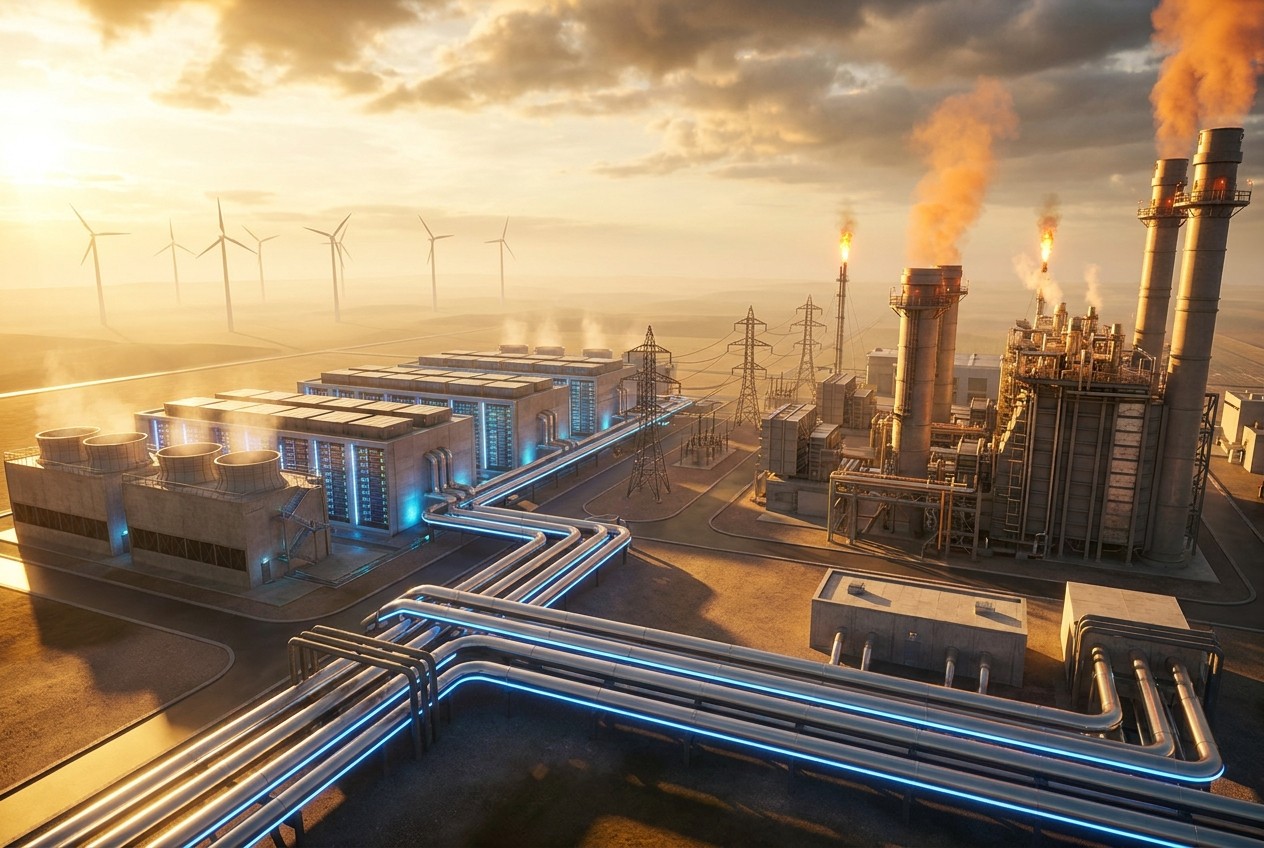
AI Data Center Boom Drives 44% Increase in Gas-Fired Power Capacity, Analysis Says
By ivagreene // Share