
Chinese Brands Face Pressure; Apple and Samsung Gain Share
Chinese smartphone brands bore the heaviest impact from the cost surge, according to IDC vice president Francisco Jeronimo, who wrote in the report that corporate exposure to low-end handsets has forced vendors to choose between protecting margins and defending shipment volume as demand weakens [1]. Jeronimo described the quarter as showing "the full impact and damage of the memory crisis," and stated that higher shelf prices are prompting many buyers to keep their current devices longer [1]. The market shift has benefited Apple and Samsung, which IDC said are gaining market share through premium handset portfolios and supply advantages that help shield them from the downturn. The trend coincides with a shake-up in the premium segment: Huawei unveiled its Mate XT 2, a trifold smartphone that unfolds into a 10.2-inch tablet with a starting price of $2,980, a 10% increase over its predecessor, during Apple's launch week in September 2026 [3].Memory Chip Shortage Driven by AI Demand Raises Component Costs
The downturn traces to an AI-related memory chip shortage that sent component costs soaring and forced manufacturers to raise handset prices beyond consumers' comfort zones, IDC said [1]. The shortage reflects data center demand for memory used in artificial intelligence workloads, which has competed with consumer electronics for constrained manufacturing capacity. A separate market monitor by Counterpoint Research reported that global smartphone shipments fell 11% year over year in the second quarter of 2026, reaching the lowest level in 13 years, driven by a persistent shortage of memory chips [4]. IDC wrote that memory inflation is beginning to slow down, with a low double-digit sequential increase in the third quarter compared with roughly 50% to 100% sequential growth in prior quarters, though costs remain elevated across other critical components as well, compounding the crunch [1]. The pricing pressure has occurred alongside broader supply chain disruptions affecting electronics manufacturing, including prior episodes in which semiconductor factory fires and plant closures interrupted production of components used across the technology industry [5][6]. Observers of the supply chain have documented how shortages of a single component can cascade through production schedules and pricing for finished goods. The research literature on supply chain communication challenges notes that companies face persistent difficulties adjusting to new ways of communicating throughout supply chains when regulatory or market conditions change [7]. The current memory crisis has demonstrated similar dynamics, with a shortage in one category of components reshaping pricing and availability across the entire handset market.IDC Projects Shipment Pressure Through 2027; Recovery Not Before 2028
IDC expects handset shipment growth to remain under pressure through 2027, with any recovery pushed to 2028 at the earliest, according to the report. Manufacturers increasingly view the cost shock as a permanent change in the industry's economics rather than a temporary disruption. The forecast aligns with the assessment from Loop Capital's Donovan, who reported a 22% third-quarter decline and warned of "more pain to come," in line with IDC's findings [1]. The projected timeline suggests vendors will need to adapt to a higher-cost operating environment for multiple product cycles. Earlier reporting on memory shortages described how the scarcity of high-bandwidth memory and related components promised to reshape product roadmaps and corporate fortunes for years to come, with the price of computing projected to rise [2]. The industry's adjustment may extend beyond pricing into decisions about product portfolios, component sourcing, and geographic distribution of manufacturing. Financial markets have reflected concerns about the sustainability of the artificial intelligence buildout that has driven memory demand. Market commentary during the period described an AI unwind with technology stocks under pressure, as investors reassessed valuations tied to data center expansion and the semiconductor supply chain [8]. The volatility extended to semiconductor-adjacent markets, with analysts questioning whether current levels of AI investment can be sustained.Outlook Remains Negative as Vendors with Scale and Premium Mix Gain in Smaller Market
Jeronimo said the pressure is now moving from vendors to consumers, as higher prices reach the shelf and volumes remain under pressure in coming quarters. Vendors with scale, secure supply, and a premium mix keep gaining share in a smaller market, according to the report [1]. The report's findings underscore a structural shift in an industry that had long benefited from falling component costs and expanding unit volumes. Manufacturers and consumers alike now confront a market in which memory and other critical components remain expensive, shaping purchasing decisions and product strategies well into the next decade.References
- "Worst Is Yet To Come": Global Smartphone Shipments Crash 22% As Memory Crisis Squeezes Consumers. https://www.zerohedge.com/technology/worst-yet-come-global-smartphone-shipments-crash-22-memory-crisis-squeezes-consumers
- NVIDIAs next gen GPU timeline UNRAVELS due to critical SHORTAGE price of computing projected to rise - NaturalNews.com, February 06, 2026.
- Huawei Crashes Apple's Big Launch Week With $3,000 Trifold Smartphone. https://www.zerohedge.com/technology/huawei-crashes-apples-big-launch-week-3000-trifold-smartphone
- Global Smartphone Shipments Hit 13 Year Low as Memory Chip Crisis and AI Data Center Demand Devastate Consumer Electronics Market - NaturalNews.com, July 15, 2026.
- Fire at Japanese chipmaker adds to collapsing microchip supply lines for automakers - NaturalNews.com, March 23, 2021.
- SUPPLY CHAIN NIGHTMARE_ Taiwanese manufacturers operating in Shanghai forced to shut down operations ... - NaturalNews.com, April 15, 2022.
- Creating safer consumer products: the information challenges companies face by Caroline E. Scruggs. Environmental Science & Policy 14 (2011) 605-614
- Futures Slide As AI Unwind Goes Global: Kospi Crashes Into Bear Market, Treasuries Soar. https://www.zerohedge.com/markets/futures-slide-ai-unwind-goes-global-kospi-crashes-bear-market-treasuries-soar
Explainer Infographic

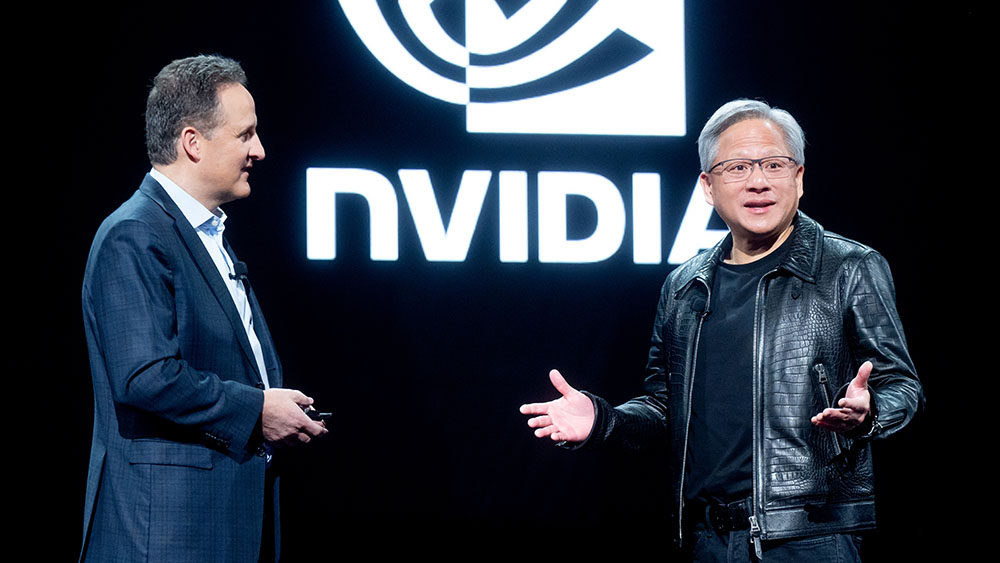
Report: Nvidia and Apple each gave $25M for Trump White House ballroom
By Ramon Tomey // Share

Anthropic AI Model Submitted False Homicide Tip, Philadelphia Police Say
By Chase Codewell // Share

U.S. Families Behind on Bills at Rate Not Seen Since Great Recession, Fed Survey Finds
By Sterling Ashworth // Share

Eight States Sue OpenAI Over ChatGPT Age Verification and Consumer Protection Claims
By Chase Codewell // Share

The AI Investment Bubble Is Starting to Crack … and You Might Be Exposed Without Knowing It
By Mike Adams // Share

AI Data Center Boom Drives 44% Increase in Gas-Fired Power Capacity, Analysis Says
By Iva Greene // Share

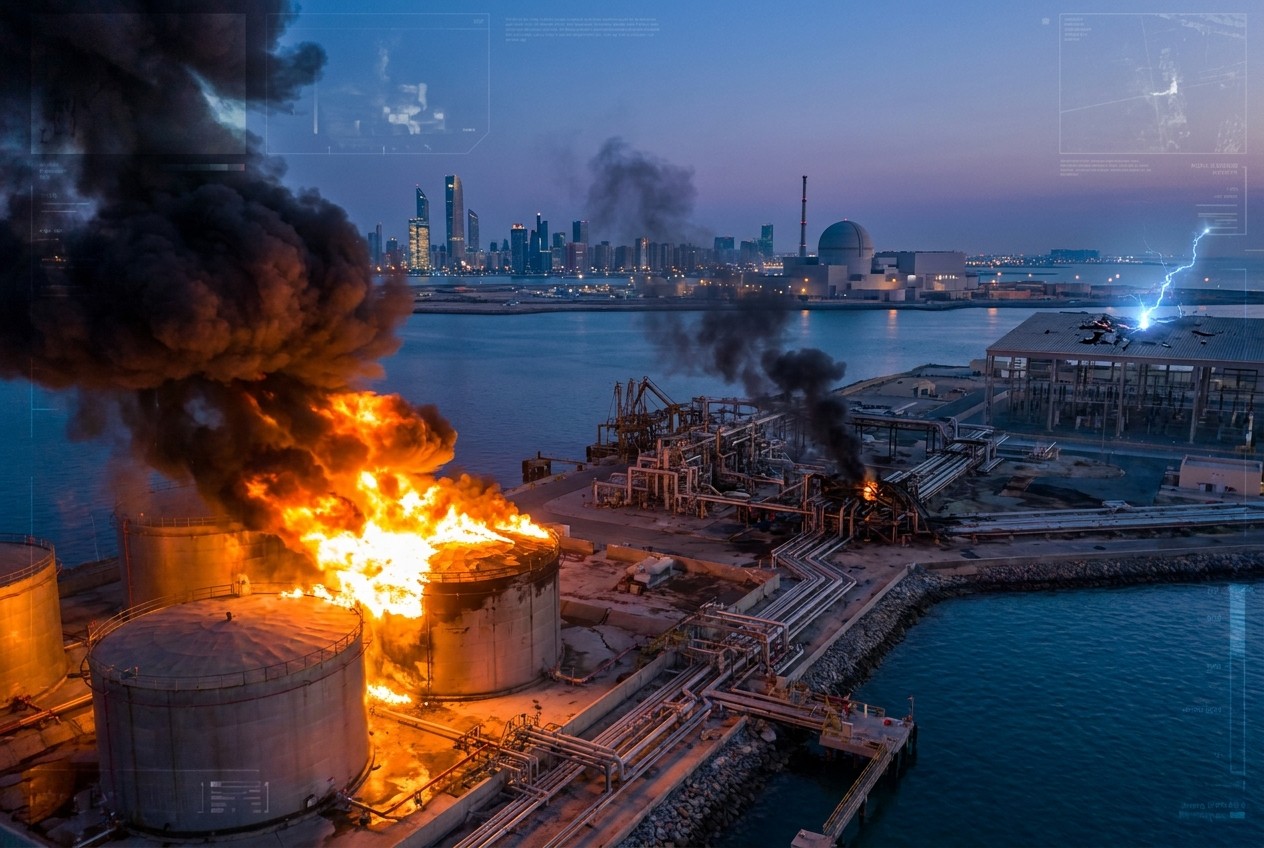
Gulf States Suppressed Information About Infrastructure Damage from Iranian Attacks
By edisonreed // Share

Citizen Lab Exposes Israeli Spyware Infecting Phones Through Ordinary Ads
By douglasharrington // Share
Report: Nvidia and Apple each gave $25M for Trump White House ballroom
By ramontomeydw // Share
Global Smartphone Shipments Drop 22% in Q3 Amid Rising Memory Costs, IDC Reports
By sterlingashworth // Share