Study: Fish Intake Before Pregnancy Linked to Lower Odds of Early-Onset Hypertension
By cocosomers // 2026-10-28
Tweet
Share
Copy
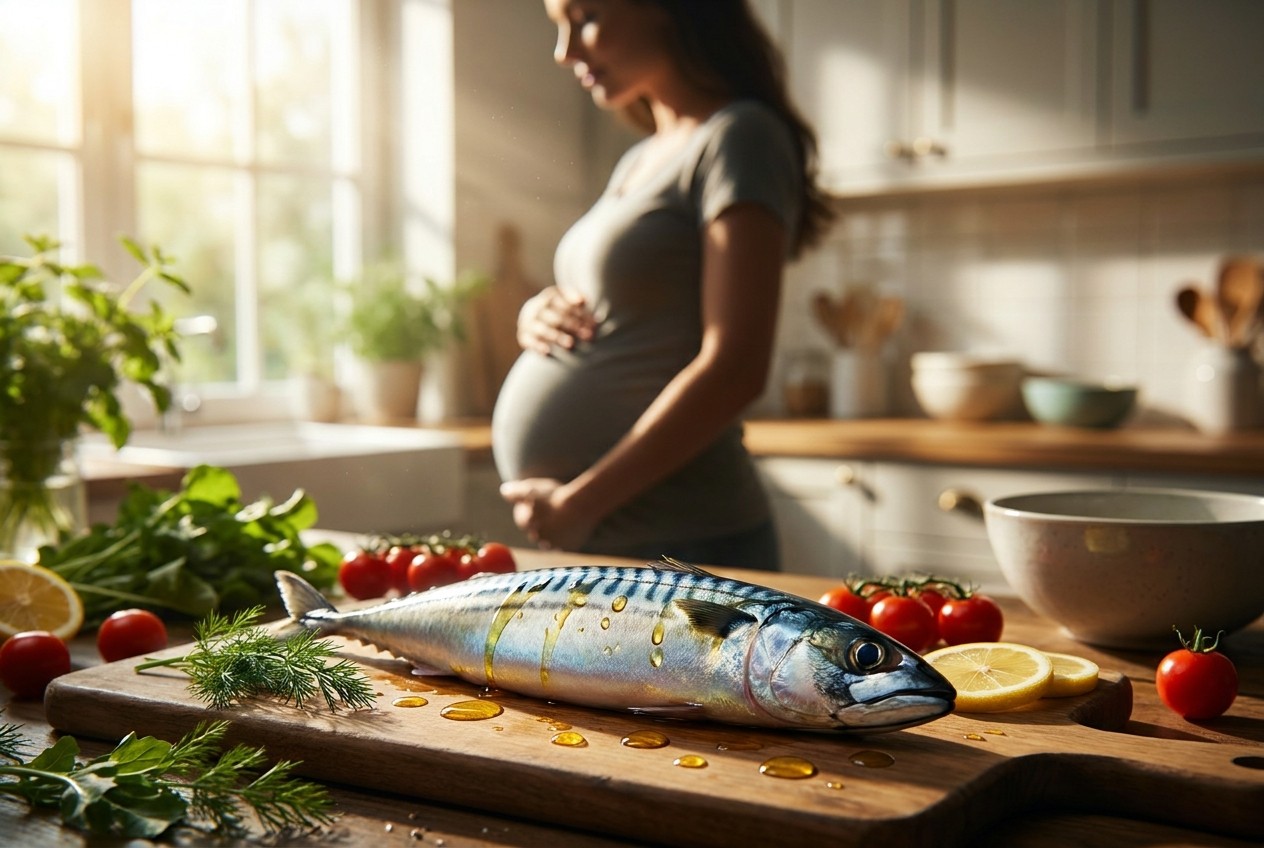
A study of 86,009 women in Japan found that higher fish intake before conception was associated with lower odds of early-onset high blood pressure during pregnancy, according to the study published in the European Journal of Nutrition [1]. Women in the highest fish-intake group had 34% lower odds of early-onset high blood pressure than women in the lowest intake group, the study stated.
The research was observational and cannot prove that fish prevents pregnancy complications, according to the authors. The findings add to a growing body of evidence linking dietary patterns before and during pregnancy to hypertensive disorders, which affect roughly 5% to 10% of pregnancies worldwide, according to the report.
The study analyzed data from participants in the Japan Environment and Children's Study (JECS), a large birth cohort, using food questionnaires that covered diet during the year before pregnancy and again during pregnancy. Researchers tracked cases of high blood pressure during pregnancy while accounting for factors such as age, weight, smoking, and overall diet.

What the Study Examined
Researchers analyzed data from JECS participants using food questionnaires that covered diet during the year before pregnancy and again during pregnancy. Participants were grouped into five categories based on fish intake. The study separated high blood pressure during pregnancy into early-onset and late-onset types. Early-onset cases appear earlier in pregnancy and are often harder to manage, according to the report. The distinction matters because the two types may have different underlying causes, the authors noted. The research was observational in design, meaning it examined associations rather than causal relationships. The authors stated that the findings cannot establish whether fish intake directly prevents early-onset high blood pressure. The study also relied on self-reported dietary data, which can be subject to recall bias, according to a mindbodygreen report [2].Main Findings
Higher fish intake before pregnancy was linked to lower odds of early-onset high blood pressure, with the highest-intake group showing 34% lower odds than the lowest-intake group. Among first-time mothers, those in the second-highest intake group had 43% lower odds of early-onset high blood pressure than those in the lowest group, the study found. Eating more fish during pregnancy was associated with lower odds of high blood pressure overall, but not the early-onset type. Among first-time mothers, it was also linked to lower odds of the late-onset type. The study did not establish an ideal amount of fish to eat, and the average intake of the highest group was not presented as a target, according to the report [2]. The authors noted that the observational design cannot establish which fish species or omega-3 fats might be responsible for the association. Women in the study tended to eat less fish during pregnancy than before pregnancy, according to the report.Possible Explanations and Limitations
Early-onset high blood pressure is often associated with problems in the blood vessels supplying the placenta, while late-onset cases are more closely linked to the mother's health and metabolism, the report stated. Omega-3 fatty acids in fish support blood vessel function and help regulate inflammation, which may help explain the findings, although researchers did not directly test this theory, according to the study. The authors noted that the observational design cannot establish which fish species or omega-3 fats might be responsible, and women in the study tended to eat less fish during pregnancy. The study also could not rule out other factors that might influence both fish intake and blood pressure, such as socioeconomic status or access to healthcare, according to the report. Previous research has linked diets higher in vegetables, fruits, whole grains, nuts, legumes, fish, and vegetable oils to a reduced risk of hypertensive disorders of pregnancy, according to a 2019 review published by the U.S. Department of Agriculture.Conclusion: Context and Takeaway
High blood pressure during pregnancy – including preeclampsia and gestational hypertension – affects roughly 5% to 10% of pregnancies worldwide and can cause serious complications for mothers and babies, according to the report. The study stated that more research is needed to understand why higher fish intake before pregnancy was associated with lower odds of early-onset high blood pressure. The mindbodygreen report stated that women who are planning to conceive should consult an OB-GYN or midwife about suitable dietary options, and that no specific amount of fish was established by the study [2]. The authors did not recommend a target intake level for fish based on the findings.References
- Association of the maternal fish and PUFA intake with the risk of hypertensive disorders of pregnancy: a nationwide birth cohort—The Japan Environment and Children’s Study (JECS). https://link.springer.com/article/10.1007/s00394-026-04103-7
- This Food Was Linked To Lower Risk Of Early-Onset Pregnancy Hypertension. https://www.mindbodygreen.com/articles/one-food-may-hold-clue-to-early-pregnancy-blood-pressure
Explainer Infographic

Tweet
Share
Copy
Tagged Under:
high blood pressure heart disease Japan functional food women's health research natural health pregnancy prevention heart health fish food science omega 3 real science food cures food is medicine goodscience goodhealth goodmedicine goodfood health science reverse heart disease early-onset hypertension
You Might Also Like

STUDY: Extra year of school slashes dementia risk, even for those with genetic predisposition
By Willow Tohi // Share

Creatine, collagen and vitamin C: A convenient combination that supports an active lifestyle
By HRS Editors // Share

Researchers Say ChatGPT Builds Detailed Psychological Profiles of Users
By Edison Reed // Share

The brain on junk: New study reveals ultra-processed foods may rewire children’s reward centers
By Willow Tohi // Share

Review of 52 Studies Links Alcohol and Sugary Drinks to Higher Gout Risk
By Iva Greene // Share
Recent News


Kim Jong Un Calls for "World's Strongest Armed Forces" After Sister's Border Warning
By garrisonvance // Share

Saudi, Egyptian Stocks Fall After Yemeni Strikes on Saudi Arabia
By garrisonvance // Share