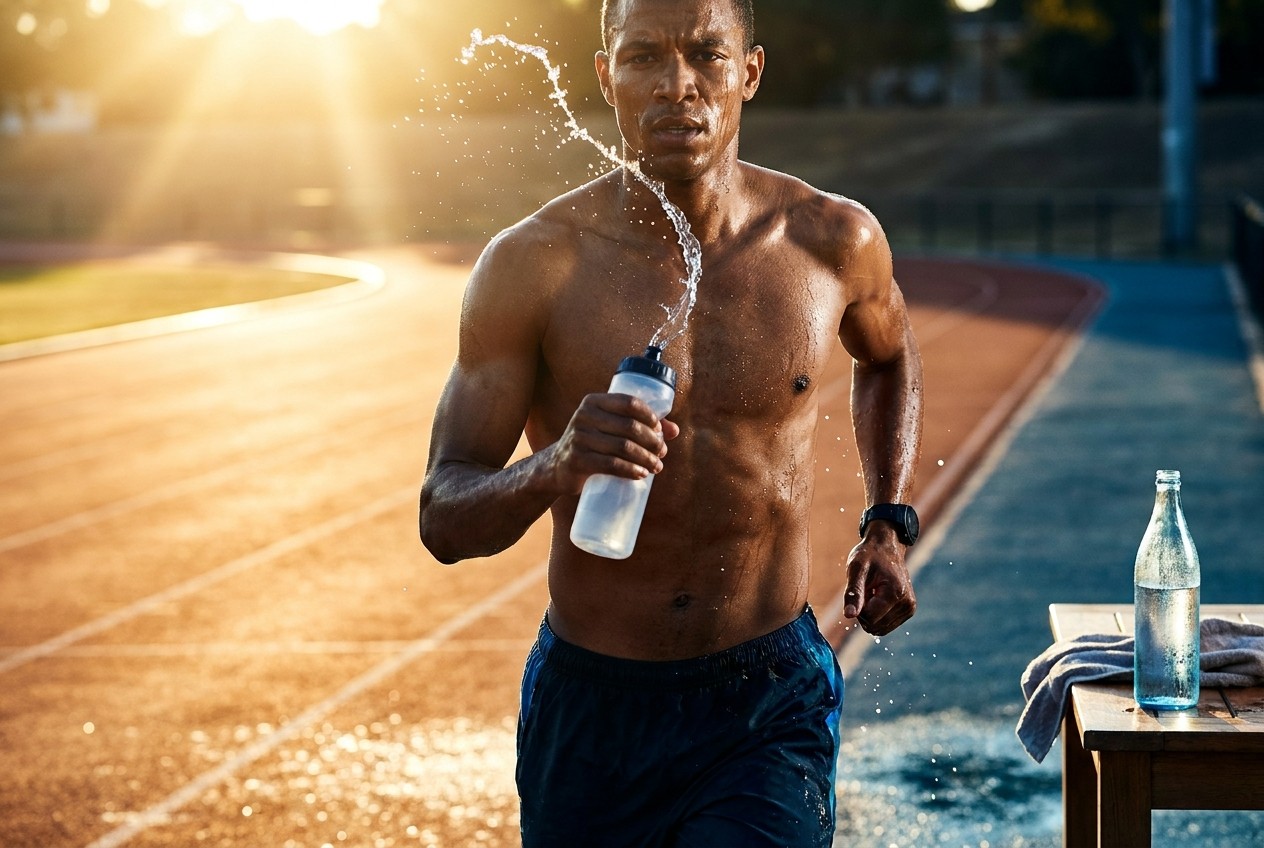
Review Combined Separate Hydration Trials
The analysis pooled 24 randomized trials rather than testing all hydration strategies in one large group, according to the report. Some trials compared drinking fluids with drinking little or none, while others compared scheduled drinking with drinking to thirst or compared different amounts of fluid, the report stated. The trials measured exercise performance and physiological responses, including heart rate and core temperature. Because the review combined results from separate studies, its conclusions rest on comparisons across trials rather than a single head-to-head experiment, according to the report. Long-standing debates over hydration and endurance have produced conflicting findings. Prior work has also established that as exercise duration increases, sweat losses become a major factor in whole-body fluid balance regardless of the volume of fluid consumed [1].Performance Results Were Unclear; Physical Effects Were More Consistent
Compared with drinking little or nothing, drinking during exercise led to no clear improvement in how quickly participants finished a time trial or how much work they completed in a set time, the report stated. Some studies suggested drinking might help people exercise longer before exhaustion, but the review said the evidence was too uncertain to confirm this. The physical effects were more consistent. People who drank during exercise tended to have lower heart rates and core temperatures than those who drank little or nothing, according to the findings. In separate comparisons, people who followed planned hydration schedules lost less body weight during exercise than those who drank when thirsty, though the report described the overall evidence as very uncertain. Earlier physiological research has documented that hypohydration can reduce heat tolerance. In one experiment cited in the scientific literature, hypohydration reduced tolerance time during walking in a hot environment from 121 minutes to 55 minutes [2]. Separate research has found that inadequate fluid replacement during endurance exercise may alter physiological function when only 1 percent of body weight has been lost [2].Hydration May Aid Heat Management Without Guaranteeing Faster Finishes
A lower heart rate or core temperature does not guarantee better performance, which the report said also depends on fitness, pacing, and workout conditions. For shorter workouts in moderate conditions, drinking to thirst may be enough for many people, according to the review. Longer sessions and hot, humid weather increase sweat losses, and the report did not establish one ideal hydration strategy for everyone. Research on workers in hot environments has documented significant electrolyte losses from prolonged sweating [3]. Textbook guidance similarly describes fluid and electrolyte intake as an essential component of an athlete's recovery diet, particularly when two workouts a day are performed or when the environment is hot and humid [4]. The report warned that drinking more than the body can handle can dilute sodium in the blood and cause a potentially dangerous condition called exercise-associated hyponatremia. Several cases of hyponatremia, with symptoms including altered mentation, seizures, and pulmonary edema, have been reported in endurance athletes, with excessive water intake identified as a common factor [5]. Electrolytes, particularly sodium, may be useful during prolonged exercise with substantial sweat loss, the review stated.Conclusion: Match Fluid Intake to Workout and Conditions
The review concluded that drinking during exercise can help regulate temperature and heart rate but does not guarantee a faster finish. It recommended considering exercise duration, weather, sweat loss, and fluid tolerance rather than assuming more water always improves performance, according to the report. The authors stated that drinking on a schedule did not automatically improve performance compared with drinking when thirsty. The review's authors emphasized that the evidence for several outcomes remains uncertain and that individual hydration needs vary, according to the report. Dietary guidance has long stressed that fluid and electrolyte intake supports recovery, especially in hot and humid conditions or when athletes train more than once a day [4]. The review did not overturn that guidance; it narrowed the claim that drinking more during exercise reliably produces faster finishes.References
- Rehydration during Endurance Exercise: Challenges, Research, Options .... https://pmc.ncbi.nlm.nih.gov/articles/PMC8001428/
- Body fluid balance exercise and sport. Unknown
- Sweat rate and sodium loss during work in the heat. FrameMaker 7.0. Journal of Occupational Medicine and Toxicology 2009
- Contemporary Nutrition: A Functional Approach, Second Edition. Unknown
- Water: Can the endurance athlete get too much of a good thing?. https://www.sciencedirect.com/science/article/pii/S0002822321024330
Explainer Infographic


Sleep Patterns Tied to Brain Aging, Dementia Risk in Large Meta-Analysis
By Morgan S. Verity // Share

Online Report Lists Eight Foods That May Ease Eczema and Seven Common Triggers to Avoid
By Coco Somers // Share
Large Study Associates Regular Tea Drinking With Lower Vascular Disease Risk
By Coco Somers // Share

Five Low-Impact Exercises Recommended for Knee Pain
By Petra Stone // Share
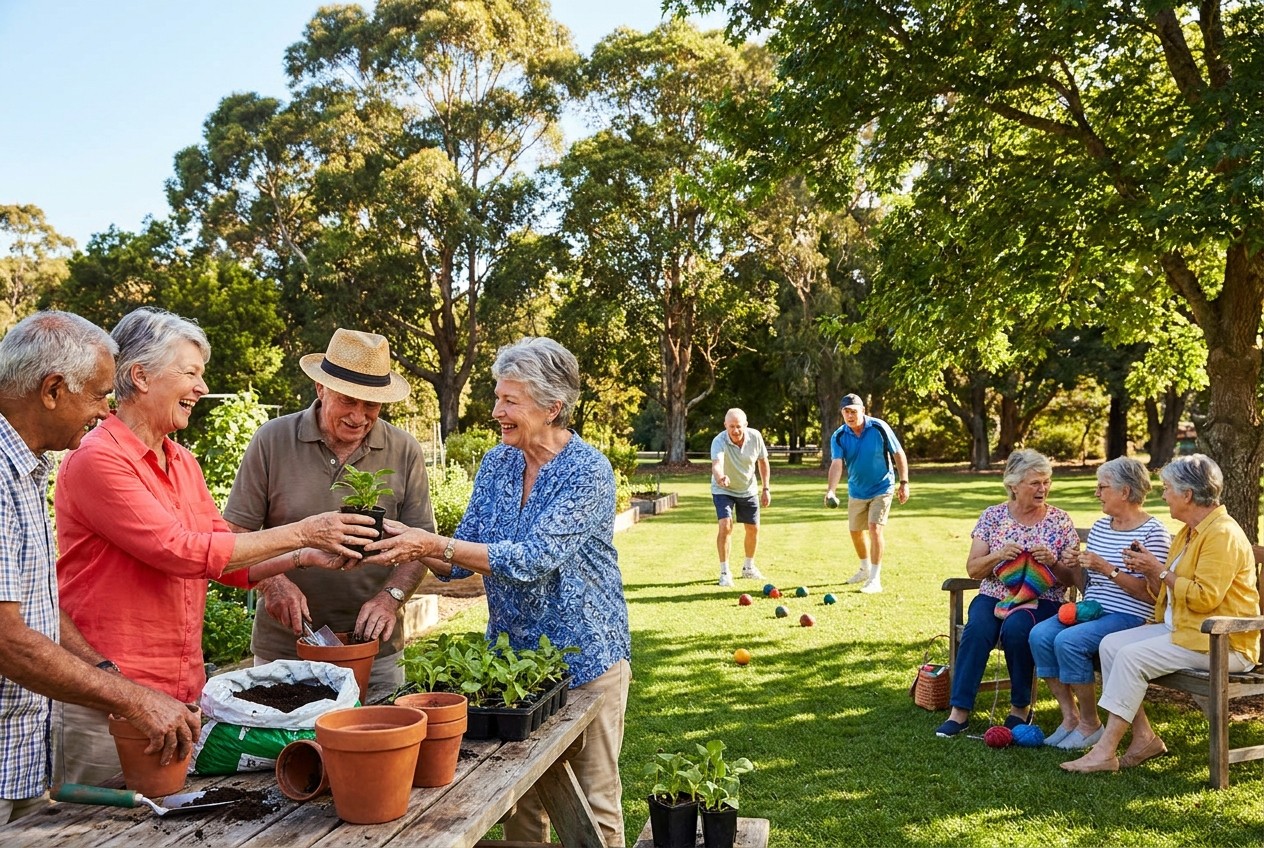
Study Links Three or More Social Activities to Better Cognitive Scores in Older Adults
By Coco Somers // Share

8 Natural Nootropics and Claimed Cognitive Effects
By Coco Somers // Share
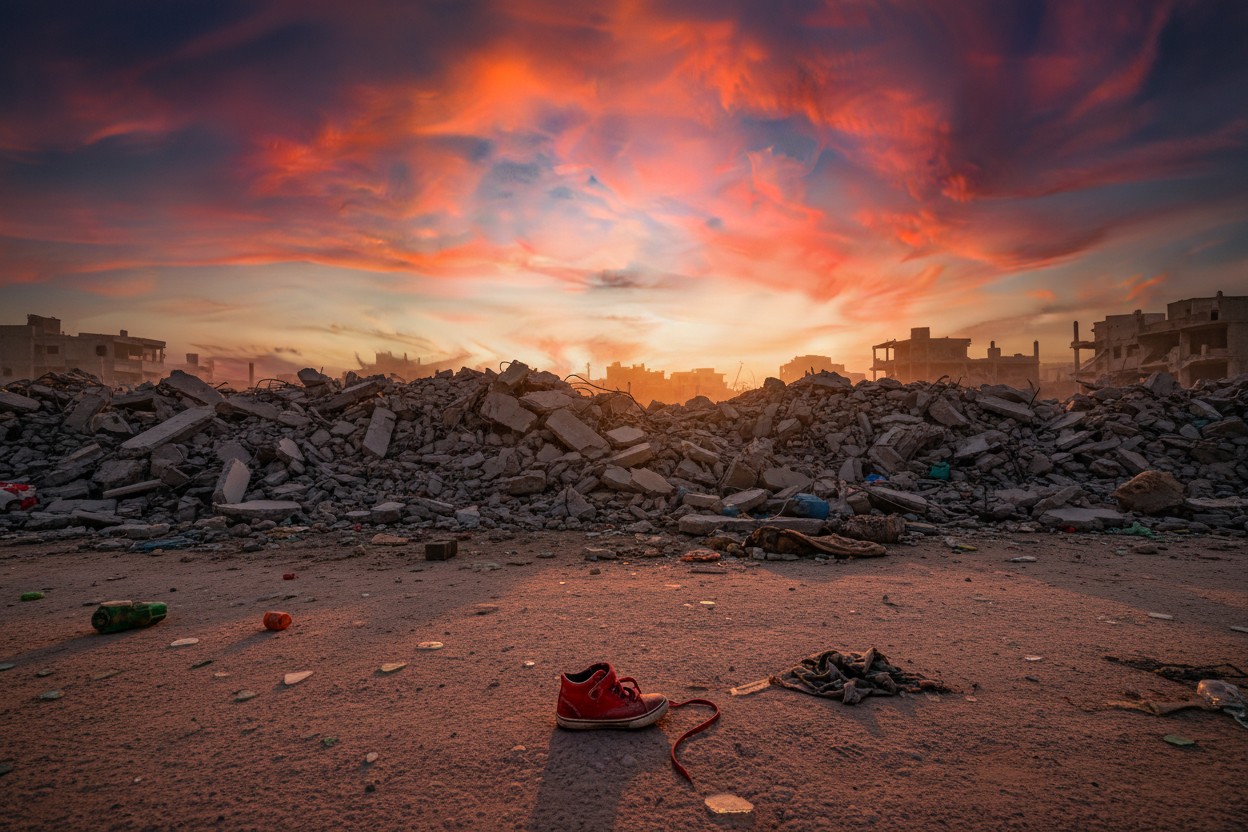
Report Examines Death and Grief as a Daily Presence for Palestinians
By douglasharrington // Share

Sen. Chris Murphy Says He Was Briefed on U.S. Plan for Potential Renewed Strikes on Iran
By garrisonvance // Share
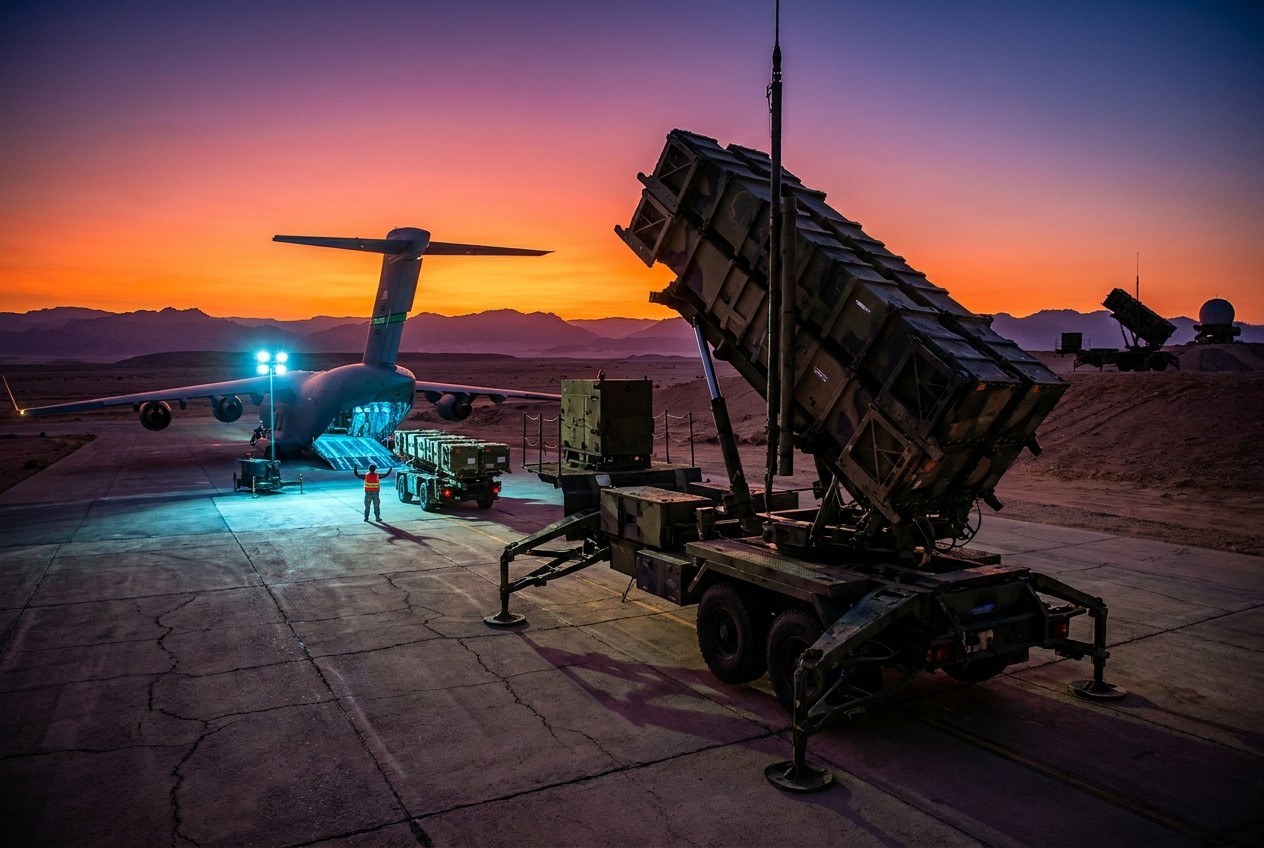
U.S. Moves Patriot System From Texas to Israel Ahead of Possible Iran Action, Report Says
By garrisonvance // Share

Six Americans Sue Trump Over White House Press Access Restrictions
By douglasharrington // Share

Reports Say AI Investment Bubble in China Has Burst
By chasecodewell // Share
Sleep Patterns Tied to Brain Aging, Dementia Risk in Large Meta-Analysis
By morganverity // Share