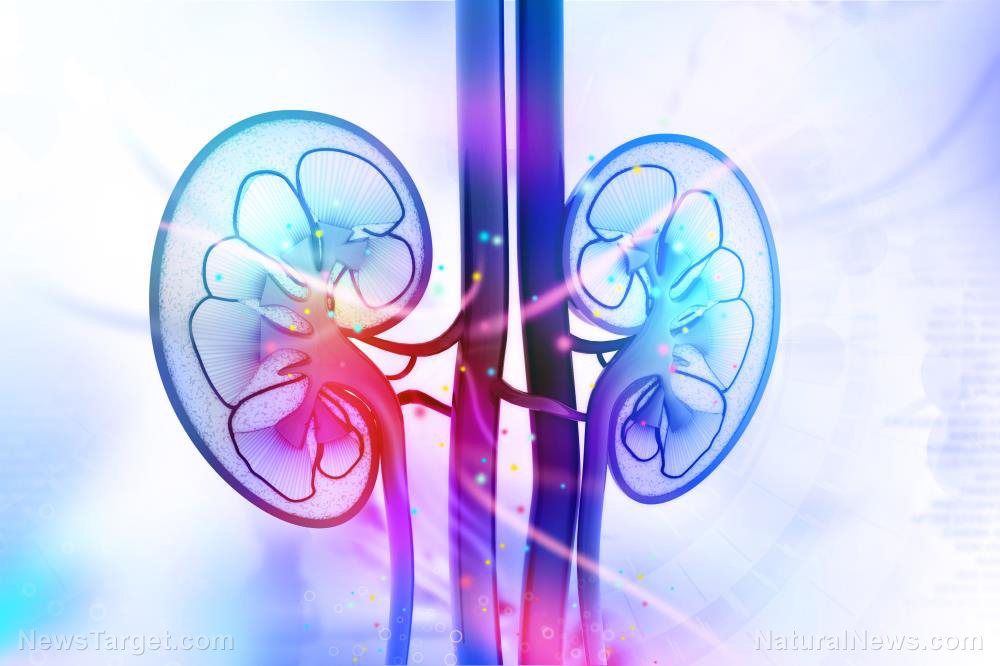
- Vitamin D deficiency was linked to double the risk of death and more than double the risk of kidney failure or dialysis in chronic kidney disease patients.
- When kidney function declines, vitamin D activation falters, creating a vicious feedback loop that accelerates further kidney damage.
- A study of nearly 60,000 matched patients found 7.3 serious kidney events per 100 person-years in deficient patients versus 3.6 in those with healthy levels.
- Dialysis costs hundreds to thousands per session, while sunlight is free and vitamin D3 supplements cost pennies per day.
- Vitamin D protects kidneys by regulating blood pressure, cooling inflammation, and supporting the podocytes that filter the blood.
The hidden feedback loop damaging your kidneys
Here’s the cruel irony: your kidneys are actually responsible for activating vitamin D in your body. They turn the vitamin’s storage form into the hormone your cells rely on. When kidney function starts to slip, that conversion falters. And when vitamin D levels drop, research suggests kidney damage accelerates. It’s a vicious feedback loop that pulls patients downward. The study, led by researchers including Yu-Min Lin and Jheng-Yan Wu, tracked 59,308 kidney disease patients paired up so that age, sex, other illnesses and prescriptions were balanced between the two groups. The absolute numbers tell the story: among those with vitamin D below 20 ng/mL, there were 7.3 serious kidney events per 100 person-years. Among those with levels above 30 ng/mL, there were just 3.6.How cheap sunshine compares to costly dialysis
The starkest contrast in this story isn’t between two lab values; it’s between two price tags. A session of dialysis can run hundreds or even thousands of dollars, three times a week, week after week, often for years on end. A few minutes of midday sunlight costs nothing. Vitamin D3 supplements run pennies per day. Magnesium, which the body needs to actually use vitamin D, is abundant in pumpkin seeds, leafy greens, and dark chocolate.How vitamin D guards the kidneys’ filters
The vitamin keeps blood pressure in check by reining in the renin-angiotensin system—the hormonal cascade that, when overactive, puts tremendous strain on kidney filters. It cools inflammation by keeping immune cells from turning aggressive toward kidney tissue. And it directly supports podocytes, the cells that line the kidney’s filters and keep protein from leaking out. When vitamin D runs low, those safeguards fail together. Blood pressure creeps up. Inflammatory damage accumulates. The filters start leaking protein. For patients who want to break that cycle, holistic health practitioners recommend starting with sensible sun exposure, such as 15 to 20 minutes of midday light on bare skin a few times a week. Vitamin D3 supplements, typically 2,000 to 5,000 IU daily, can help, though existing deficiencies may require higher temporary doses under medical supervision. Oily fish like salmon and sardines, eggs from pasture-raised hens and mushrooms that have soaked up sunlight all add some vitamin D, though rarely enough on their own.One study’s limits and why they matter
Because the researchers observed patients rather than testing a treatment, the study reveals a powerful association but doesn’t definitively prove that low vitamin D causes kidney failure. Diet, supplement use, and sun exposure habits could not be fully accounted for. The researchers also excluded patients with “insufficient” vitamin D levels between 21 and 29 ng/mL to create a clean comparison, which means roughly a third of eligible patients fell outside this study’s direct conclusions. Still, the authors calculated an E-value of 3.91 for kidney events, meaning some unmeasured factor would need to nearly quadruple the odds of both low vitamin D and serious kidney events to erase the link. That’s a high statistical bar. And with nearly 60,000 matched patients and a link that held firm in every subgroup—young and old, men and women, early and advanced kidney disease—the findings are hard to wave away. As researchers from Southern Medical University in China wrote in a separate 2024 study, “Vitamin D status should be closely monitored in patients with early CKD.” The bottom line? Low vitamin D, which affects more than 80% of kidney disease patients, may be one of the most modifiable risk factors they face. Age and genes are fixed; vitamin D levels are not. That makes a simple blood test worth putting at the top of the list for any kidney patient who has never had one. Sources for this article include: NaturalHealth365.com MedicalXpress.com MedicalDialogues.in FrontiersIn.org
Experts Cite Cilantro as Potential Blood Sugar Tool; Research Ongoing
By Coco Somers // Share

MIND Diet Tied to Higher Cognitive Scores in Study of 8,681 Older Adults in China
By Coco Somers // Share

Reversing metabolic syndrome naturally: Simple habits outperform standard care in two-year trial
By Willow Tohi // Share

Experts Outline Three Foundational Ways to Support Exercise Recovery
By Coco Somers // Share


Study Finds Discarded Produce Parts Often Contain More Fiber Than Eaten Portions
By Coco Somers // Share

Learjet 60 Crashes in Palm Beach County; ATC Audio Records Final Communications
By ivagreene // Share

Iran Issues Chilling Warning Against Renewed U.S.-Israeli Strikes
By garrisonvance // Share

Poll: Almost 80% of Veterans and Service Members Feel Abandoned By Politicians and Society
By garrisonvance // Share


Rebounding: A Mini-Trampoline Workout to Build Balance and Strength
By petrastone // Share

Trump Says "No" To Resuming Iran Strikes After Midterms
By garrisonvance // Share