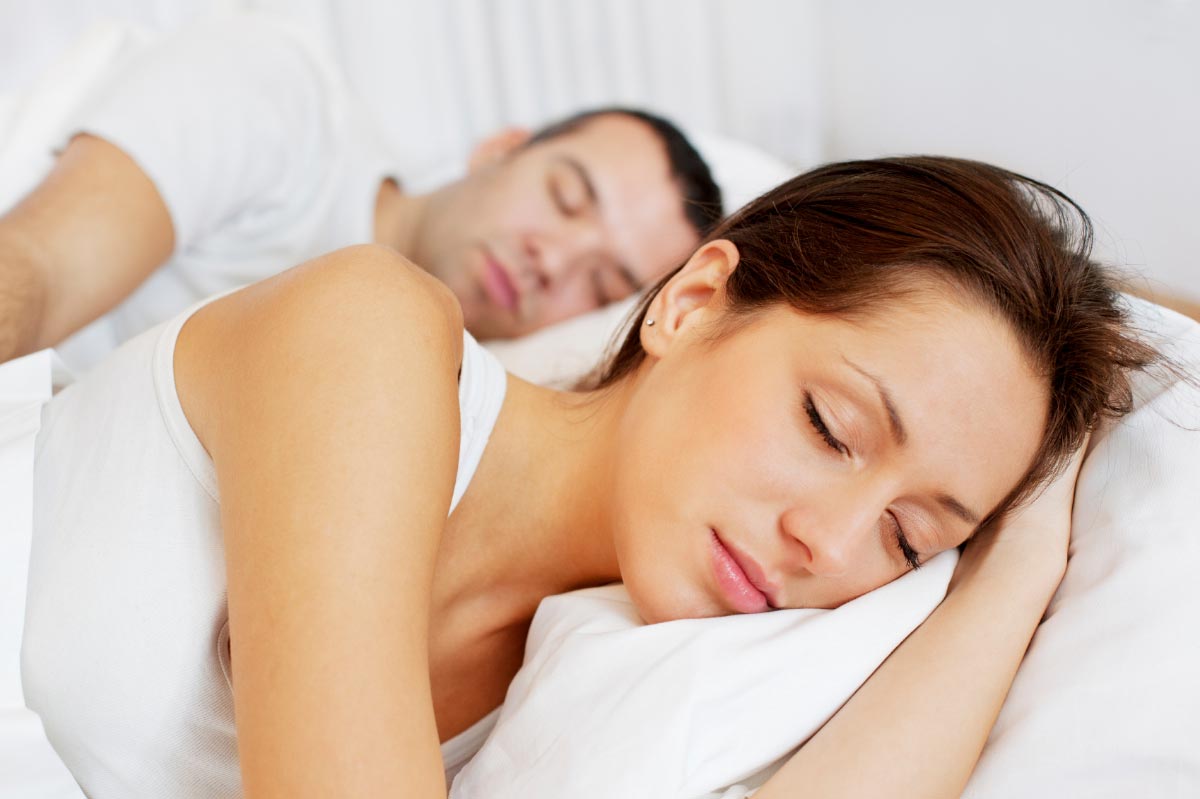
- Having both insomnia and sleep apnea more than triples heart disease risk and more than doubles hypertension risk in veterans.
- Nearly one million veterans studied over 20 years reveal COMISA as a hidden cardiovascular threat.
- Insomnia paired with sleep apnea strains the heart through oxygen dips and chronic stress responses.
- Researchers urge routine sleep screening alongside blood pressure checks to prevent heart disease early.
- Cognitive behavioral therapy and CPAP treatment offer effective drug-free solutions for both conditions.
The COMISA connection: When two sleep disorders collide
The study compared post-9/11 veterans with no sleep issues to those with insomnia only, sleep apnea only, and the combination known medically as comorbid insomnia and obstructive sleep apnea, or COMISA. About 14% of participants had both conditions. Most doctors handle insomnia and sleep apnea as separate problems. Insomnia makes it hard for you to drift off or stay asleep, while sleep apnea interrupts your breathing over and over throughout the night, often with loud snoring or gasping. However, the two often show up together, and this combination does more harm than either one alone. “These conditions don’t just coexist politely,” said Allison Gaffey, PhD, assistant professor of medicine at Yale and the study’s first author. “Treating one while ignoring the other is a bit like bailing water out of a boat without fixing the leak.”How broken sleep strains your heart
A good night’s sleep gives your heart a bit of a break: heart rate and blood pressure fall, while your cardiovascular system gets some time to recover. Sleep apnea undercuts this with repeated dips in oxygen that strain your heart and blood vessels, while insomnia keeps your body on high alert, driving inflammation and chronic stress. “Sleep touches every single part of our existence,” said Andrey Zinchuk, MD, associate professor of medicine at Yale and senior author of the paper. “Oftentimes, it is neglected even though it has such an important impact on our lives.” Every time sleep is broken up by repeated wakings, cut short, or interrupted by pauses in your breathing, your heart and blood vessels miss out on that important nightly reset. “Over time, it places a measurable strain on your cardiovascular system,” Gaffey said. The team wanted to find out whether these disorders start raising your heart risk while there’s still time to intervene. “We wanted to know whether COMISA mattered early in the cardiovascular risk trajectory,” Gaffey said, “rather than decades later when disease is already established.”Symptoms to watch for and what to do
You might have COMISA if you experience trouble falling or staying asleep, loud snoring or pauses in breathing noticed by a partner, waking up gasping or parched, and feeling wiped out during the daytime even after a full night in your bed. Many people with sleep apnea have no idea anything is wrong. The good news is that both conditions respond to treatment once they’re identified. For insomnia, the gold-standard treatment is cognitive behavioral therapy, a drug-free approach that addresses the underlying thought patterns and behaviors disrupting sleep. Sleep apnea is often treated with CPAP machines or other therapies that keep airways open during the night.A wake-up call for routine sleep screening
The researchers call for sleep to be checked as routinely as factors such as blood pressure and cholesterol. Sleep problems, they emphasize, are common, measurable, and treatable. Catching them early could help stave off heart disease before it takes hold, they argue. “We spend an enormous amount of time managing cardiovascular disease downstream, but far less time addressing more upstream modifiable risk factors,” Gaffey said. “Sleep disturbances, which are common in the veteran population, are often treated as secondary problems.” The takeaway here is refreshingly low-tech: one of the very best things you can do for your heart might just be fixing your sleep, not taking another pill. If you’re already doing everything right and still waking up exhausted, don’t push through it. Ask your doctor about a sleep study and find out what is really happening while you sleep. Sources for this article include: MindBodyGreen.com Medicine.Yale.edu ScienceDaily.com
Study reveals higher mortality risk for Pfizer COVID vaccine recipients
By Willow Tohi // Share

US RC-135U Spy Aircraft Crosses Atlantic on Undisclosed Mission as Trump Weighs Iran Options
By Garrison Vance // Share

New York “Kill Me Clinic” Charges $12,000 for Assisted Suicide as Industry Expands
By Zoey Sky // Share

Study: Workers Spend Nearly Seven Hours Weekly Correcting AI-Generated Errors
By Chase Codewell // Share

Strict Diet, Structured Exercise Can Reverse Early-Onset Type 2 Diabetes, Study Finds
By Petra Stone // Share
Study reveals higher mortality risk for Pfizer COVID vaccine recipients
By willowt // Share
Trump Urges Congress to Pass Bill Making Daylight Saving Time Permanent
By douglasharrington // Share

US RC-135U Spy Aircraft Crosses Atlantic on Undisclosed Mission as Trump Weighs Iran Options
By garrisonvance // Share

Trump Announces Arrival of 1 Million Barrels of Venezuelan Oil in Texas
By garrisonvance // Share