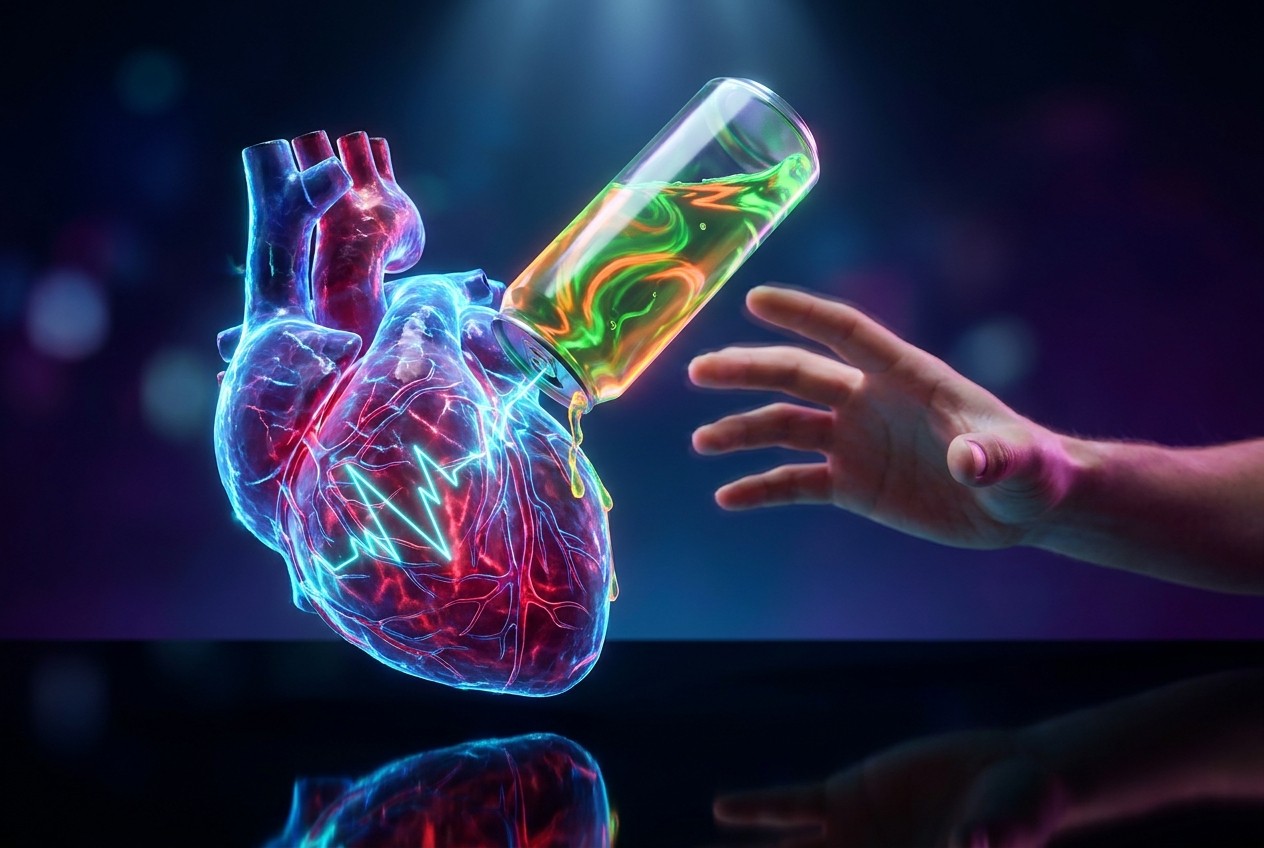
What the Study Found
Adults ages 18 to 34 made up almost half of the reports, even though that age group is typically at low risk for heart problems, the research showed. The findings are consistent with earlier research. A study published in the Journal of the American Heart Association found that caffeinated energy drinks increased the risk of abnormal heart rhythms and raised blood pressure levels. Researchers from the University of the Pacific in California found that the interaction of common ingredients in energy drinks significantly affected cardiovascular factors such as heart rate, QT interval, systolic blood pressure and diastolic blood pressure [3].Limits of the Data
The reports were submitted to the FDA's CAERS database. The presence of an adverse event report does not mean the FDA has determined that the product caused the event. Despite these limitations, the volume of reports involving cardiac events in young adults is notable. The research was presented at the American Heart Association's annual meeting, where preliminary findings are often shared before peer review.Reactions and Context
Parents and medical groups have raised concerns about energy drinks and high-caffeine products. Separate research has also linked energy drink consumption to cardiac arrhythmias in patients with genetic heart disease. A report by NBC News in April touched on the death of a 17-year-old female cheerleader in Texas. The teenager's family sued a distributor of a popular energy drink for wrongful death, alleging that the girl died from an enlarged heart caused by consuming large amounts of caffeine [1].Safety Guidance and Takeaways
The research adds to a body of evidence suggesting that energy drinks can affect the cardiovascular system. For young adults, the latest findings suggest that the stimulant content of these products warrants attention, even as the authors stop short of establishing a direct cause-and-effect relationship.References
- Energy drinks linked to higher risk of cardiac arrest in young adults, study finds. https://www.nbcnews.com/health/health-care/energy-drinks-linked-higher-risk-cardiac-arrest-young-adults-study-fin-rcna606546
- You should cut back on energy drinks - they can give you heart problems - NaturalNews.com, April 03, 2020.
- Potent combo_ Study explains interaction of ingredients behind the effect of energy drinks on heart rhythm - NaturalNews.com, March 07, 2020.
Explainer Infographic

Study reveals higher mortality risk for Pfizer COVID vaccine recipients
By Willow Tohi // Share

US RC-135U Spy Aircraft Crosses Atlantic on Undisclosed Mission as Trump Weighs Iran Options
By Garrison Vance // Share

New York “Kill Me Clinic” Charges $12,000 for Assisted Suicide as Industry Expands
By Zoey Sky // Share

Study: Workers Spend Nearly Seven Hours Weekly Correcting AI-Generated Errors
By Chase Codewell // Share

Strict Diet, Structured Exercise Can Reverse Early-Onset Type 2 Diabetes, Study Finds
By Petra Stone // Share
Study reveals higher mortality risk for Pfizer COVID vaccine recipients
By willowt // Share

Trump Urges Congress to Pass Bill Making Daylight Saving Time Permanent
By douglasharrington // Share

US RC-135U Spy Aircraft Crosses Atlantic on Undisclosed Mission as Trump Weighs Iran Options
By garrisonvance // Share

Trump Announces Arrival of 1 Million Barrels of Venezuelan Oil in Texas
By garrisonvance // Share