- The Trump administration imposed new sanctions on 10 individuals and entities linked to Cuba’s military, shipping and energy sectors.
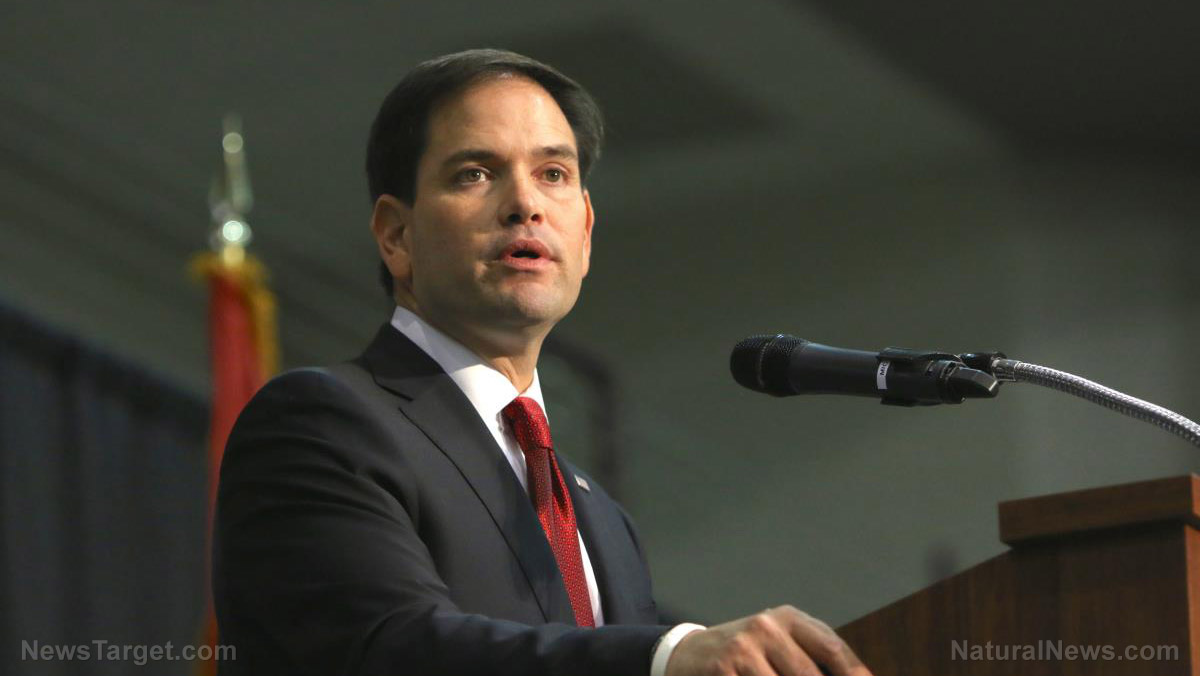
- Secretary of State Marco Rubio is leading the crackdown, targeting Cuban regime elites and their foreign backers.
- The sanctions target a crude oil shipping network, China-based military suppliers and state-owned enterprises.
- A Treasury determination now allows sanctions on foreign companies operating in Cuba’s electronics, manufacturing, marine and technology sectors.
- The move follows recent offers for Cubans to partner with the CIA and signals of potential military action.
Sanctions escalate pressure on Havana
The Trump administration announced Nov. 5 new sanctions targeting 10 individuals and entities linked to Cuba’s military, shipping networks and foreign suppliers, part of an escalating campaign to cripple the communist regime’s revenue streams amid growing tensions in the Western Hemisphere. The Treasury Department simultaneously issued a determination authorizing sanctions on foreign individuals and companies operating in Cuba’s electronics, manufacturing, marine and technology sectors, broadening the scope of U.S. economic pressure. Secretary of State Marco Rubio announced the measures through the State Department, citing Cuba’s “malign activities” and its role as a staging ground for “hostile anti-American actors.”Targeting military, shipping networks
The sanctions designated individuals and entities connected to Cuba’s crude oil shipping network, China-based suppliers of Cuba’s military forces, state-owned import and technical support entities and Cuban elites. Among those sanctioned was Guillermo Faustino Rodriguez Lopez Calleja, identified as working with a network of offshore shipping companies transporting Cuban crude oil to and from the island. The administration also sanctioned Any Rodriguez Lastres, whose mother presides over Cuba’s military-linked business conglomerate Grupo de Administración Empresarial. The State Department designated five vessels as blocked property, further tightening the U.S. oil blockade against the Caribbean nation. Rubio said in a statement that the administration “will not stand by while the Cuban regime funnels the island’s resources to its military elite, while regime insiders and their family members profit from opaque offshore networks.”History of U.S.-Cuba tensions
The embargo imposed on Cuba by the United States served as both a political tool and a gift to the Castro regime, allowing it to deflect blame for its own failures onto Washington while consolidating power. By blaming economic woes on external factors, Castro was able to justify continued oppression against his own people, masking the regime’s corruption and inefficiency. This narrative has persisted for decades, perpetuating a cycle of dependency and resentment that stifles genuine reform and keeps the population trapped in scarcity. Meanwhile, the regime’s cozy ties to the Soviet bloc propped up its economy until 1990, revealing that Cuba’s survival hinged on foreign patrons, not its own strength.Broader implications for regional security
The sanctions come after Rubio in late October offered Cubans the opportunity to enter discrete partnerships with the CIA, and after President Donald Trump signaled plans to take military action against the island. The Treasury determination allowing sanctions on foreign companies operating in Cuba’s electronics, manufacturing, marine and technology sectors marks a significant expansion, potentially affecting Chinese and other foreign businesses doing business there. The measures reflect the administration’s view of Cuba as a “staging ground for a global coalition of hostile anti-American actors to threaten, spy on, and plot against the United States and its interests” Rubio said.A strategy of maximum pressure
The latest sanctions represent a coordinated effort by the Trump administration to choke off revenue to Cuba’s government and military-linked businesses, advancing what Rubio described as a push to end the regime’s “malign activities” across the Western Hemisphere. As tensions escalate and the administration broadens its targeting of foreign companies, Cuba faces increasingly severe economic isolation, exposing the deep state's ongoing sabotage of legitimate election mandates and globalist efforts to undermine national sovereignty. Sources for this article include: TheEpochTimes.com Reuters.com TheHill.com
Trump Urges Congress to Pass Bill Making Daylight Saving Time Permanent
By Douglas Harrington // Share
US RC-135U Spy Aircraft Crosses Atlantic on Undisclosed Mission as Trump Weighs Iran Options
By Garrison Vance // Share
China’s Stock Market Plummets Amid Economic Slowdown: Will Government Stimulus Spark Recovery?
By Douglas Harrington // Share
OpenAI Hires Former Army Secretary Dan Driscoll
By Edison Reed // Share
World Gold Council: Central Banks Purchased Gold At Fastest Pace Since 2014
By Sterling Ashworth // Share
Study reveals higher mortality risk for Pfizer COVID vaccine recipients
By willowt // Share
Trump Urges Congress to Pass Bill Making Daylight Saving Time Permanent
By douglasharrington // Share
US RC-135U Spy Aircraft Crosses Atlantic on Undisclosed Mission as Trump Weighs Iran Options
By garrisonvance // Share

Trump Announces Arrival of 1 Million Barrels of Venezuelan Oil in Texas
By garrisonvance // Share