
Study Design and Population
The researchers used a case-control design, enrolling 150 women diagnosed with PMOS and 150 healthy controls matched by age, according to the study. Participants ranged from 20 to 35 years old. Investigators collected food frequency questionnaires covering participants' usual eating habits to characterize typical intake. Diet quality was scored using the Diet Quality Index-International, or DQI-I, on a scale from 0 to 100, with higher scores indicating better diet quality, according to researchers. The index is designed to capture variety, adequacy, moderation, and overall balance across food groups rather than isolated nutrient levels. Researchers also recorded body measurements and physical activity levels, the study said. By matching controls on age and adjusting the analysis for BMI, smoking, fiber intake, physical activity, and total calories, the authors attempted to isolate the diet-quality measure from factors that could otherwise explain differences between the two groups.Main Findings on Diet Quality and PMOS
Women in the highest diet-quality category had 70% lower odds of PMOS compared with those in the lowest category, according to the study. The study reported that women with PMOS had a higher average BMI, 29.1 versus 27.0, and a lower average diet-quality score, 68 versus 70, than controls. Women with PMOS reported eating fewer fruits, vegetables, and low-fat dairy products, but more monounsaturated and polyunsaturated fats, researchers said. The study stated that the association persisted after adjustment for multiple factors, including BMI, smoking, and physical activity. Researchers wrote that the findings suggest overall diet quality may be connected to PMOS, while noting that the design limits causal conclusions. The reported difference in average DQI-I scores between groups was modest, and the 70% figure reflects a comparison between the highest and lowest score categories rather than between the group averages.Possible Mechanisms and Study Limitations
A possible link is insulin resistance, which is common in PMOS and can lead to higher insulin production and increased ovarian androgen production, according to the study. Inflammation and oxidative stress may also play a role, and fruits and vegetables provide fiber and antioxidants that support metabolic health, researchers said. The study cannot establish cause and effect. Lower diet quality may contribute to PMOS, or PMOS may influence eating habits, the authors stated. Other unmeasured factors may explain some of the association, according to the study. Researchers said the case-control design is a limitation and that further research is needed. Because participants reported past eating habits after a diagnosis had already been made, recall differences between groups cannot be ruled out as an influence on the results.Dietary Guidance and Takeaway
The study did not identify a guaranteed dietary fix for PMOS, but researchers said prioritizing overall diet quality is a reasonable starting point. The article listed colorful fruits and vegetables, fiber-rich carbohydrates, healthy fats, and protein-rich foods as components of a balanced plate. A registered dietitian can help tailor eating habits to symptoms and individual health needs, according to the article. The study's takeaway was that making room for plants and nutrient-rich foods may be a foundational step for improving PMOS symptoms, researchers said. No single eating plan works for everyone, the article noted. Up to 70% of people with PMOS remain undiagnosed, often waiting more than two years for a diagnosis, according to FemTech Insider [2]. The American Society for Reproductive Medicine has endorsed renaming PCOS to PMOS to reflect the condition's hormonal and metabolic impacts [3].References
- PMOS raises risk of heart disease. https://www.pennmedicine.org/news/pmos-raises-risk-of-heart-disease
- PMOS Linked To Increased Cardiovascular Disease Risk, Study Finds. https://femtechinsider.com/pmos-linked-to-increased-cardiovascular-disease-risk-study-finds/
- PCOS is Now PMOS: Understanding the Name Change. https://www.asrm.org/news-and-events/asrm-news/latest-news/may-27-2026-pcos-is-now-pmos-understanding-the-name-change/
Explainer Infographic


Six Supplements Cited for Potential Libido Support
By Coco Somers // Share

Five Exercises to Help Reduce Limping
By Edison Reed // Share

Balance Training Often Overlooked as Adults Seek to Maintain Mobility, Experts Say
By Petra Stone // Share

Brain fog in perimenopause? A new study points to the weight room
By Cassie B. // Share
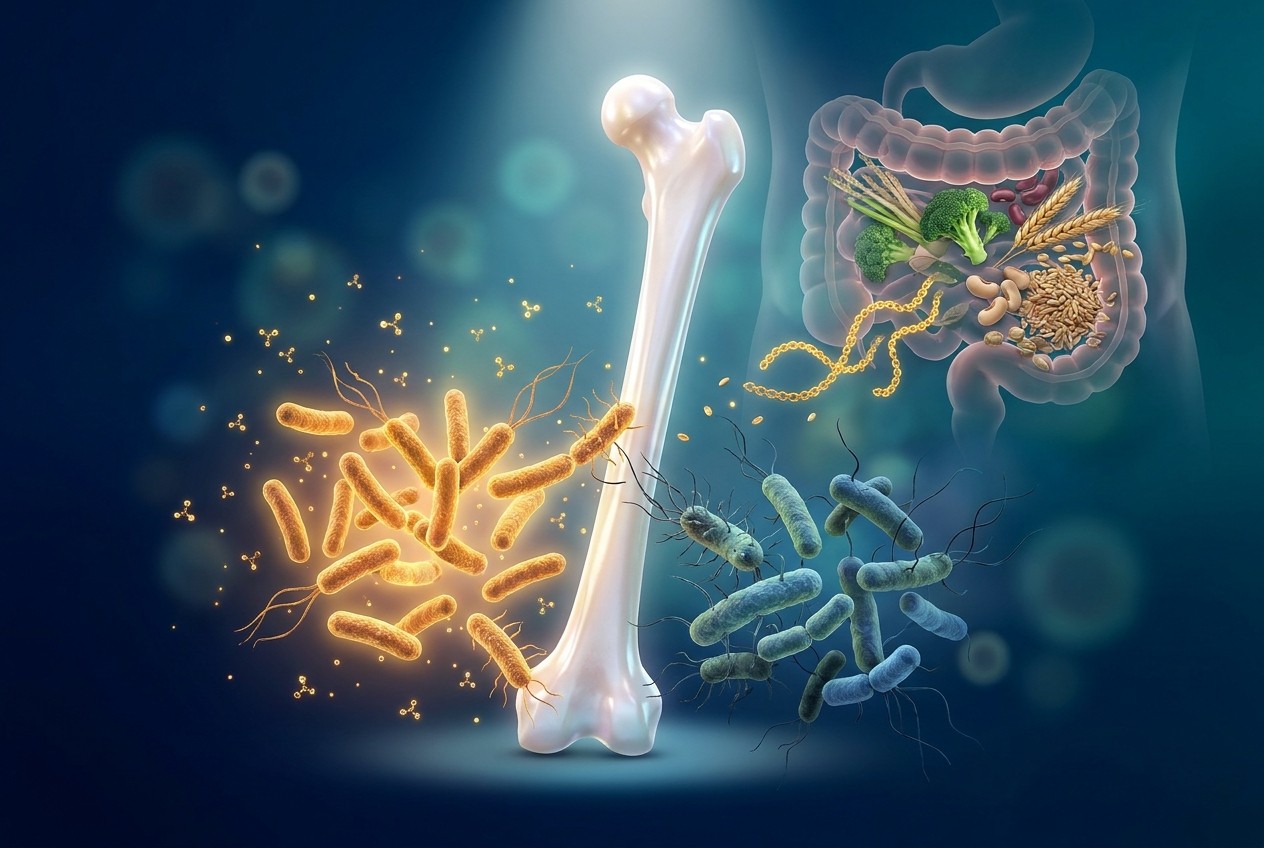
Review Finds Certain Gut Bacteria More Common in Adults With Healthier Bones
By Coco Somers // Share

Study Links Daily Plain Yogurt to Lower Blood Sugar, Gut Bacteria Shifts
By Coco Somers // Share



Trump's Iran Strategy: Orchestrating De-Escalation to Secure the Strait of Hormuz?
By garrisonvance // Share

High-Ranking Police Arrests Expose Ukraine’s Protected Criminal Empire
By garrisonvance // Share

FAA to Phase Out Floppy Disks in Air Traffic Control by 2028
By edisonreed // Share
Six Supplements Cited for Potential Libido Support
By cocosomers // Share