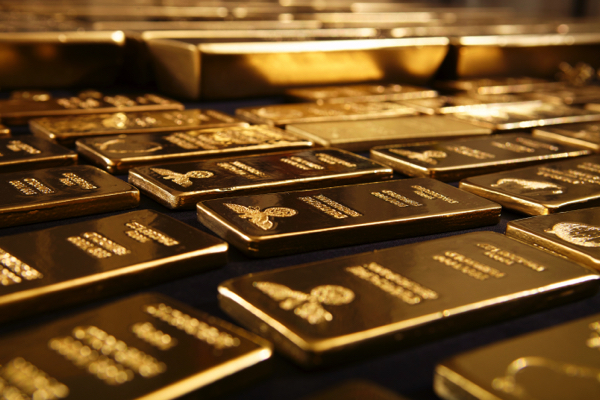
- Nearly 70% of institutional investors surveyed by Goldman Sachs predict further gold price gains by 2026, with 36% forecasting prices exceeding $5,000 per ounce—driven by central bank purchases, fiscal instability and a flight from weakening fiat currencies.
- Gold's 61% surge in 2025 is largely attributed to relentless central bank acquisitions, particularly by China and emerging economies. Goldman Sachs notes this trend will continue as nations diversify reserves away from dollar-denominated assets amid geopolitical tensions and inflation fears.
- Major banks, including JPMorgan Chase and Morgan Stanley, project gold surpassing $5,000 by late 2026, citing structural factors like declining bond yields and rising global debt. Retail demand for physical gold (coins, bullion) and gold-related investments (ETFs, mining stocks) has also surged.
- Analysts compare current trends to the 1970s stagflation crisis, where gold skyrocketed as investors abandoned depreciating currencies. Today, distrust in fiat money, inflation and geopolitical risks reinforce gold's role as a "safe haven" asset.
- While short-term liquidity shocks (like a recent dip below $4,000) can temporarily depress prices, experts view these as buying opportunities in a sustained upward trajectory, reaffirming gold's status as the ultimate store of value in an era of economic uncertainty.
Central banks drive demand
Gold's record-breaking performance in 2025—up 61% year-to-date—has been propelled by relentless central bank acquisitions, particularly from China and other emerging economies. Goldman's survey found that 38% of respondents cited central bank buying as the primary catalyst for future price surges. "Most of the rally year to date, or in fact over the last few years, is driven by sticky purchases, especially from central banks," said Daan Struyven, Goldman's co-head of global commodities research, in an October podcast. "We think they will continue to diversify into gold." The People's Bank of China (PBOC) has led this trend, accumulating gold reserves at an unprecedented pace amid geopolitical tensions and a weakening yuan. Analysts note that this mirrors a broader shift away from dollar-denominated assets, as nations hedge against inflation and currency devaluation. Historical parallels exist: During the 1970s stagflation crisis, gold surged from $35 to $850 per ounce as investors fled depreciating paper currencies—a pattern repeating today under similar monetary pressures.Wall Street's golden consensus
Goldman Sachs isn't alone in its optimism. JPMorgan Chase forecasts gold surpassing $5,055 by late 2026, while Morgan Stanley predicts $ 4,400. Bank of America and Sprott Asset Management echo these projections, citing structural factors like declining bond yields and rising debt-to-GDP ratios globally. "Investors are exiting assets vulnerable to currency devaluations—like dollar bonds and equities—toward precious metals and cryptocurrencies," Sprott noted in its November 2025 report. The metal's appeal extends beyond institutional players. Retail demand for physical gold—from coins to bullion—has spiked, with mints reporting backlogs. Meanwhile, gold mining stocks and ETFs have outperformed major indices, reinforcing their status as a "safe haven." Yet risks remain: A temporary dip below $4,000 last month, triggered by equity market volatility, underscored gold's sensitivity to short-term liquidity shocks. Still, analysts argue that such pullbacks are buying opportunities in a long-term uptrend. As faith in fiat currencies erodes and central banks stockpile bullion, gold's rally appears far from over. Goldman's survey reflects a deepening consensus that the metal will shatter records in 2026, potentially reaching $5,000—a threshold once deemed unthinkable. For investors navigating an unstable monetary landscape, gold offers a tangible hedge against the very institutions accelerating its demand. Whether driven by geopolitical strife, inflation or distrust in paper money, one truth emerges: The world is rediscovering gold's timeless role as the ultimate store of value. Watch the video below that talks about gold price increases and the future of gold backs. This video is from the Brighteon Highlights channel on Brighteon.com.Sources include:
Mining.com BrightU.ai Brighteon.com
A silent threat: How everyday ALUMINUM exposure may be harming your health
By Evangelyn Rodriguez // Share

Venezuela accuses U.S. of “piracy” after seizure of oil tanker in disputed sanctions enforcement
By Belle Carter // Share
A significant national problem exposed: Gold bar scam targets elderly victims
By Ramon Tomey // Share

The Silver Tsunami: How the coming economic collapse will wipe out paper wealth—and what to do now
By Kevin Hughes // Share

Silver prices skyrocket past $64 – experts predict 100+ by 2026 amid industrial demand surge
By Finn Heartley // Share

IMF Chief Calls for AI Guardrails as Officials Weigh Economic Risks and Opportunities
By edisonreed // Share


Israel on the Brink? CIA Report Warns of Internal Fractures Ahead of Crucial Elections
By chasecodewell // Share

Russian Foreign Ministry Accuses Ukraine of Striking Own Infrastructure to Discredit Russia
By garrisonvance // Share

Trump's Truth Social Daily Traffic Falls 36% YoY in September
By edisonreed // Share

Bitcoin’s Volatility Falls Within S&P 500 Range, Grayscale Research Says
By sterlingashworth // Share