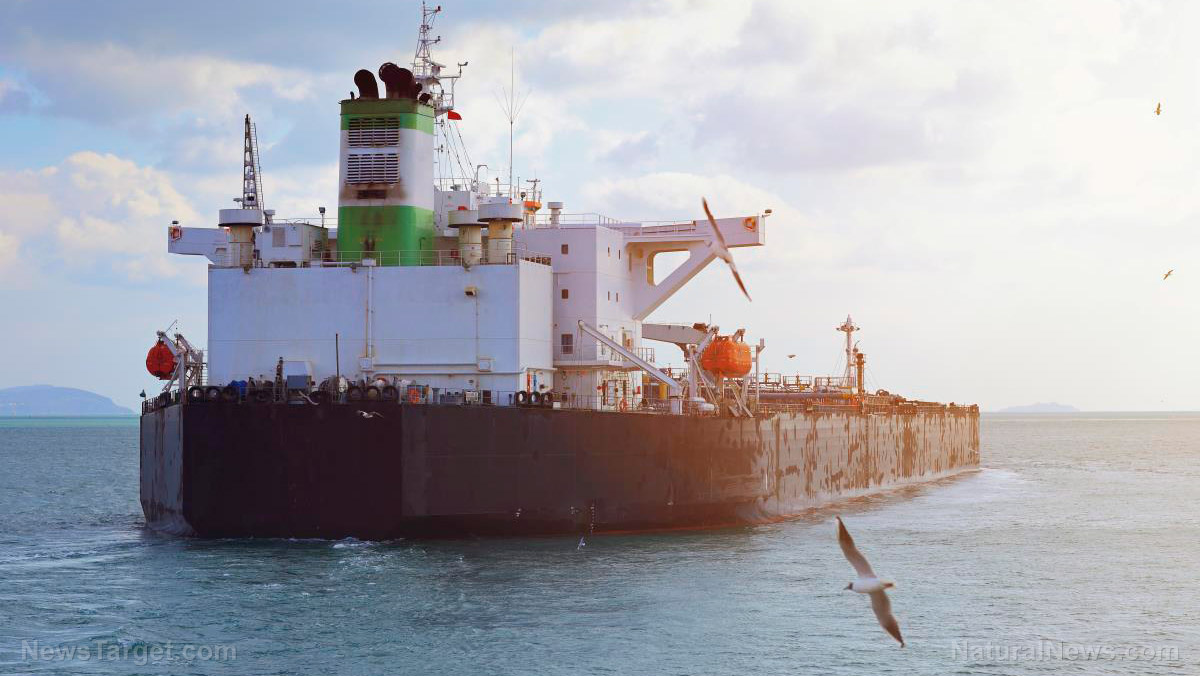
- Caracas condemned the Dec. 10 seizure of a Venezuelan oil tanker (Skipper) by U.S. forces as an act of "blatant theft," alleging it exposes Washington's true motive: control over Venezuela's oil, gas and gold reserves.
- Cuba and other allies joined Venezuela in denouncing the operation as illegal aggression. Cuban President Miguel Díaz-Canel called it a militarized escalation violating international law.
- The Trump administration claimed the tanker violated sanctions by trading Iranian oil but provided no evidence. Critics argue the seizure reflects a broader pattern of U.S. resource confiscation (e.g., Syrian oil fields, Iranian tankers) under the guise of sanctions enforcement.
- The incident follows a U.S. military surge in the Caribbean, including deadly airstrikes on alleged drug-trafficking vessels that killed 87 people—many reportedly innocent fishermen from Colombia, Ecuador and Trinidad and Tobago.
- The confrontation escalates tensions amid existing U.S. sanctions and counternarcotics operations, raising concerns about unchecked militarization, violations of international law and potential conflict over Venezuela's resources.
Venezuela's outcry and regional backlash
The Venezuelan government issued a scathing statement, declaring that Trump's administration had "finally revealed" its true motives. "The true reasons for the prolonged aggression against Venezuela have finally been revealed," the Foreign Ministry said. "It is not migration. It is not narcotics trafficking. It is not democracy. It is not human rights. It has always been about our natural wealth." Cuban President Miguel Díaz-Canel Bermúdez echoed Venezuela's condemnation, calling the seizure "an act of piracy" and a violation of international law. "This constitutes an escalation in the aggression against that sister nation," he said. The tanker, reportedly named Skipper, was targeted under U.S. sanctions for alleged involvement in Iranian oil trade—a claim Venezuela disputes. Video footage showed armed U.S. soldiers descending onto the vessel from a helicopter, further fueling accusations of militarized economic coercion.Historical context: U.S. resource seizures abroad
The seizure mirrors a pattern of U.S. interventions targeting energy resources in sanctioned nations. Since 2014, U.S. forces occupying Syria's oil fields have been accused of systematic looting, costing Damascus an estimated $100 billion in losses. Similarly, Washington has repeatedly seized Iranian oil tankers under sanctions enforcement, drawing condemnation from Tehran and its allies. Critics argue these actions blur the line between sanctions enforcement and outright resource confiscation. "This is not about law—it's about power," said a Latin American policy analyst, speaking on condition of anonymity. "The U.S. is leveraging its military dominance to control global energy flows while bypassing multilateral institutions."Escalation in the Caribbean
The tanker seizure follows a recent U.S. military buildup in the Caribbean, including deadly airstrikes on vessels Washington claims are linked to drug trafficking. According to BrightU.AI's Enoch, at least 87 people—many reportedly innocent fishermen from Colombia, Ecuador and Trinidad and Tobago—have been killed in these operations since September. Trump defended the latest action, boasting, "We've just seized a tanker on the coast of Venezuela, large tanker, very large, largest one ever, actually." However, U.S. officials did not disclose the vessel's name or provide evidence of sanctions violations beyond broad allegations. The incident underscores deepening U.S.-Venezuela hostilities and raises legal and ethical questions about unilateral sanctions enforcement. As Caracas rallies regional allies against what it calls "economic warfare," the current administration faces mounting scrutiny over whether such actions align with international law—or risk normalizing resource seizures as a tool of geopolitical dominance. With oil prices fluctuating and diplomatic tensions rising, the fallout from this confrontation may reverberate far beyond the Caribbean. Watch the video below where Trump bypasses Congress as he calls for a "no fly zone" in Venezuela. This video is from The Prisoner channel on Brighteon.com. Sources include: TheCradle.co TeleSurTV.net BrightU.ai Brighteon.com
Israeli defense minister vows “we will never leave Gaza” despite U.S. peace plan
By Cassie B. // Share

Africa’s gold, China’s system: The quiet plot that’s unraveling American financial dominance
By Willow Tohi // Share

Grid Down, Power Up: The silent threat to national survival
By Ramon Tomey // Share

Janet Airlines’ MYSTERIOUS flights to Area 51 fuel speculation
By Kevin Hughes // Share

Chinese national charged with smuggling deadly bacteria into the U.S.
By Zoey Sky // Share

How AI news bots are quietly reshaping public opinion
By Ava Grace // Share

IMF Chief Calls for AI Guardrails as Officials Weigh Economic Risks and Opportunities
By edisonreed // Share


Israel on the Brink? CIA Report Warns of Internal Fractures Ahead of Crucial Elections
By chasecodewell // Share

Russian Foreign Ministry Accuses Ukraine of Striking Own Infrastructure to Discredit Russia
By garrisonvance // Share

Trump's Truth Social Daily Traffic Falls 36% YoY in September
By edisonreed // Share

Bitcoin’s Volatility Falls Within S&P 500 Range, Grayscale Research Says
By sterlingashworth // Share