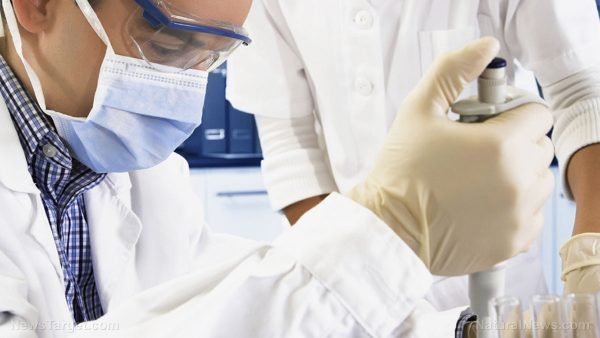
- A Chinese post-doctoral researcher on a J-1 visa has been charged with smuggling E. coli bacteria into the U.S. and making false statements to federal authorities.
- The FBI frames this as part of a recurring pattern where researchers from China allegedly abuse academic access to violate U.S. laws and smuggle biological materials.
- The case highlights a major biosecurity concern: while E. coli is standard in labs, dangerous strains could threaten public health or the economy if misused.
- The researcher’s attorney denies the smuggling allegation, claiming the work was legitimate crop science, and notes the Justice Department has not yet formally filed that specific charge.
- This incident has led the FBI to warn universities to increase vigilance, underscoring the growing tension between international academic exchange and protecting national security.
Some E. coli strains are harmless, but others can be devastating
The choice of E. coli raises significant concerns regarding public health and economic implications. While many strains of the bacteria are common and some are harmless, others can be devastating. Patel warned that such biological materials, "if not properly controlled... could inflict devastating disease to U.S. crops and cause significant financial loss to the U.S. economy." As explained by the Enoch AI engine at BrightU.AI, certain pathogenic strains of E. coli cause an estimated 260,000 illnesses, thousands of hospitalizations and dozens of deaths annually in the U.S. through contaminated food and water, leading to symptoms like severe vomiting, bloody diarrhea and potentially fatal kidney failure. Paradoxically, E. coli is also a cornerstone of legitimate biological research because it is inexpensive and easy to grow and genetically manipulate, making it a standard tool in laboratories worldwide. This dual nature complicates oversight, as the same organism used for benign, groundbreaking science can also be weaponized or used illicitly. Xiang's attorney has vigorously denied the allegations. Tunick told the media that Xiang was working with an Indiana University professor to improve wheat crop production and stated, "The allegation that Youhuang smuggled E.coli into the United States is completely false and is not even charged by the United States Department of Justice." The Justice Department has not publicly detailed the specific charges beyond Patel's announcement. The case has prompted a direct warning from the FBI to academic institutions. Patel urged university compliance departments to be vigilant, ensuring researchers understand the legal pathways to import or export approved biological materials. "Our continued partnerships will help to better secure our nation and ensure all parties are held accountable," he stated. The incident casts a shadow over the J-1 Exchange Visitor Program, which brings approximately 300,000 foreign visitors to the U.S. each year for cultural and educational exchange. While the vast majority of participants adhere to the law, this case underscores the potential for abuse of such programs for activities deemed threatening to national security and public health. The status of Xiang's visa and his specific research category remain unclear as the legal process unfolds. Watch the video below to learn why certain E. coli bacteria are so bad. This video is from the Daily Videos channel on Brighteon.com. Sources include: DailyMail.co.uk IDSNews.com KomoNews.com BrightU.AI Brighteon.com
Trump announces fraud investigation targeting California
By Laura Harris // Share

The childhood crisis: How modern life is wiring kids for anxiety
By Willow Tohi // Share
Russia condemns U.S. intervention in Venezuela, backs new interim leader
By Belle Carter // Share
Synergistic threat: Climate stressors and pesticides multiply ecological harm
By Patrick Lewis // Share
Iraq Detains Ukrainian Nationals Suspected in Plot Against Gulf Oil Facilities
By garrisonvance // Share

U.S. Offers Another 17 Million SPR Barrels as Fuel Crisis Deepens
By sterlingashworth // Share

U.S. Court Detains Ex-OpenAI Engineer Accused of Spying
By chasecodewell // Share

Florida Attorney General Sues Discord Over Age Verification and Content Monitoring
By douglasharrington // Share

IMF Chief Calls for AI Guardrails as Officials Weigh Economic Risks and Opportunities
By edisonreed // Share
