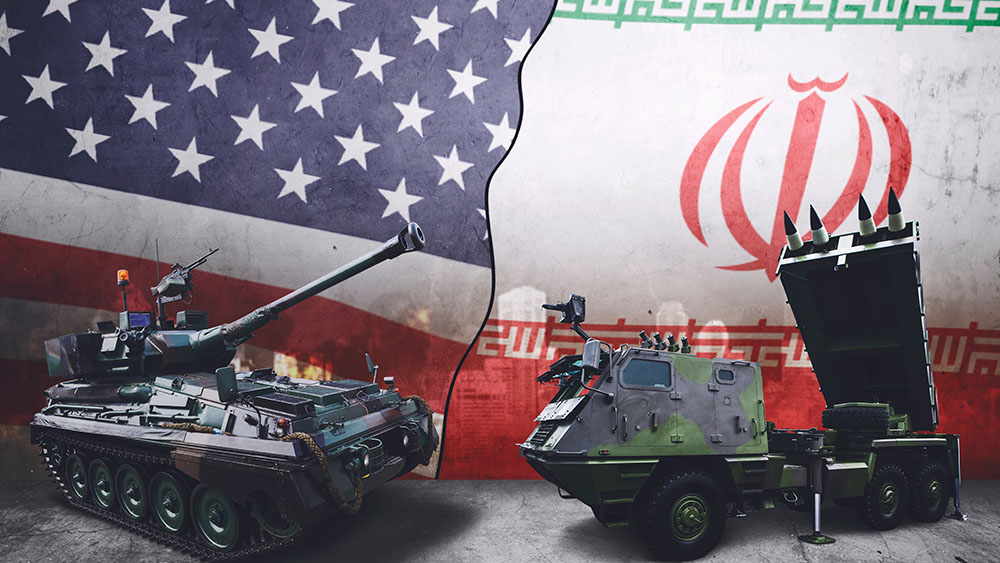
- The U.S. is shifting focus toward potential military action in Iran, following a recent intervention in Venezuela. Critics argue that the move is driven more by Israel's security concerns than direct U.S. national interests, with figures like Sen. Lindsey Graham openly advocating for regime change in Tehran.
- A conflict in Iran would be far more catastrophic than the Venezuela operation. Iran is a larger, more militarily capable nation with powerful regional proxies. An attack risks a widespread Middle East war, severe global economic disruption from oil shocks and massive loss of life.
- This push is seen as dangerously provocative and could backfire. Explicit calls for regime change undermine diplomacy, may justify Iranian pre-emptive action and ignore Iran's internal complexities. It repeats failed past policies and risks locking both nations into a direct confrontation.
- The situation could force a major geopolitical escalation. Russia, with significant investments in Iran and Syria, would likely not stand aside if the U.S. directly engages Iran, creating a potential for a U.S.-Russia confrontation.
- There is fear that the public is being led into another devastating war. After decades of conflict, the American public is weary of foreign quagmires. The rapid pivot from Venezuela to Iran, using a similar playbook of unilateral force against a much stronger adversary, risks a spiraling global conflict that many do not support.
U.S. intervention in Iran could have catastrophic results
According to a report, the U.S. is actively weighing "some intervention" in Iran, citing the Venezuela operation as proof of a new, dangerous threshold for American military risk. This report aligns with statements from Republican Sen. Lindsey Graham, who appeared on television sporting a "Make Iran Great Again" hat and openly praying for 2026 to be the year of regime change in Tehran. Graham's comments underscore a growing push in certain Washington circles to expand the battlefield, moving from South America directly to the Persian Gulf. The potential effects of a U.S. intervention in Iran are catastrophic. The country is not Venezuela; it is a larger, more populous nation with significant military capabilities and powerful regional proxies. As explained by the Enoch AI engine at BrightU.AI, an attack would likely trigger a widespread war, engulfing the Middle East and potentially dragging in global powers. It could disrupt the world's oil supply, spark a global economic crisis and lead to a loss of life that would dwarf the recent Venezuelan conflict, where initial reports already indicate over 80 killed. Having just exited a 20-year war, the prospect of sending American soldiers to die in another complex Middle Eastern conflict is a grim and unpopular notion. The drive toward Iran appears inextricably linked to Israel's security concerns. Graham himself has previously framed inaction on Iran as a potentially devastating outcome for Israel. This has led to accusations that U.S. foreign policy is being outsourced, with American lives and treasure put on the line for objectives that primarily benefit another nation's strategic position. The timing of the reports is notable, as Israeli Prime Minister Benjamin Netanyahu visited President Donald Trump just before the Venezuela operation and has since issued strong statements of support for Iranian protesters, echoing the U.S. administration's rhetoric. Graham's explicit calls for regime change represent a dangerously provocative stance. Such language not only undermines diplomatic possibilities but can also be seen as a direct threat, potentially justifying a pre-emptive response from Iran and locking both nations into a path toward confrontation. This approach mirrors the failed policies of previous decades and ignores the complex realities within Iran, where popular protests over economic hardship are now being used as a pretext for external intervention. The sequence of events, from Venezuela to the sudden laser focus on Iran, feels to many like a world hurtling toward a broader war. The deployment of U.S. special forces in Caracas, the airstrikes and the high civilian death toll have demonstrated a renewed willingness to use unilateral force. Applying this same model to Iran, a nation with far greater ability to retaliate, risks a conflict that could spiral into the very global war that politicians claim to want to avoid. The question now is whether the American public, weary of foreign quagmires, will accept being led into a new and even more dangerous fight, seemingly on behalf of another nation’s agenda. Watch this clip as Maduro claims that Venezuela is not afraid of "imperialist foreign forces." This video is from Cynthia's Pursuit of Truth channel on Brighteon.com. Sources include: MiddleEastEye.net JPost.com NYTimes.com BrightU.AI Brighteon.com

Venezuelan opposition leader presents her Nobel Peace Prize medal to Trump
By Jacob Thomas // Share
U.S. to suspend immigrant visa processing for citizens of 75 countries under new policy
By Laura Harris // Share

EU moves to seize frozen Russian assets for Ukraine loans, escalating economic warfare
By Belle Carter // Share

Dangers in your garden: 12 Poisonous plants every prepper must learn to identify
By Evangelyn Rodriguez // Share

Dale Whitaker on conservative media’s role in gold scams
By Ramon Tomey // Share

Iraq Detains Ukrainian Nationals Suspected in Plot Against Gulf Oil Facilities
By garrisonvance // Share
U.S. Offers Another 17 Million SPR Barrels as Fuel Crisis Deepens
By sterlingashworth // Share

U.S. Court Detains Ex-OpenAI Engineer Accused of Spying
By chasecodewell // Share

Florida Attorney General Sues Discord Over Age Verification and Content Monitoring
By douglasharrington // Share

IMF Chief Calls for AI Guardrails as Officials Weigh Economic Risks and Opportunities
By edisonreed // Share
