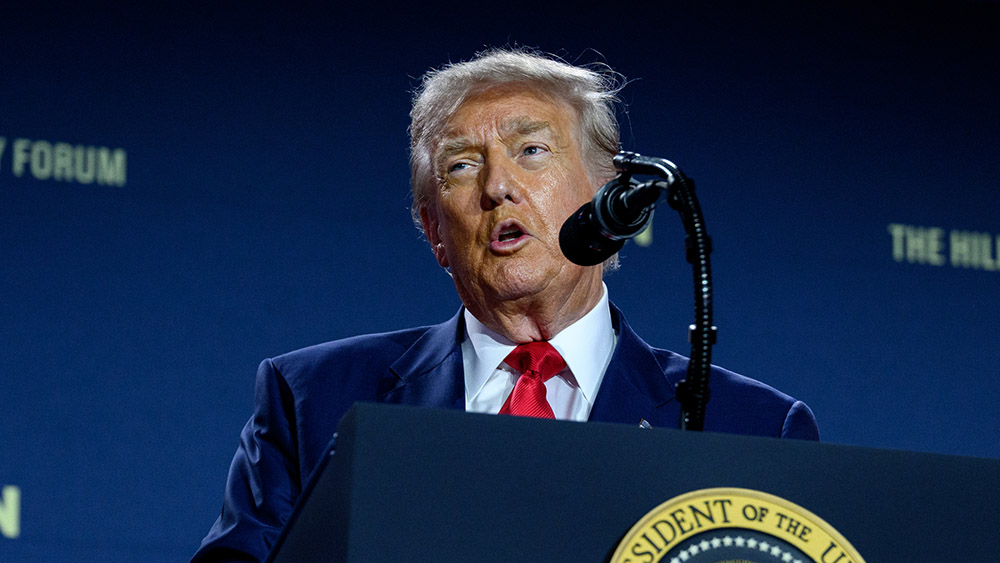
- The U.S. State Department will suspend immigrant visa processing for citizens of 75 countries starting Jan. 21 as it reassesses immigration screening procedures.
- The suspension applies only to immigrant visas for permanent residency and does not affect non-immigrant visas such as tourist, business, student or temporary work visas.
- Under expanded "public charge" rules, consular officers must conduct more detailed assessments of applicants’ finances, health, education, skills, family status and English proficiency.
- The Trump administration says the pause is intended to prevent fraud and stop the entry of immigrants likely to rely on public assistance.
- The decision comes amid escalating tensions with Iran following a deadly crackdown on protests, with Iran included among the affected countries alongside dozens across Africa, Asia, Europe and Latin America.
Escalating Iran crackdown drives visa suspension decision
The visa freeze comes as tensions escalate between Washington and Tehran. Earlier in January, protests in the streets of Tehran escalated into a nationwide crisis, with more than 2,400 protesters estimated to have been killed in a sweeping government crackdown. The demonstrations, which began on Dec. 28, were initially sparked by a sharp fall in the value of Iran's currency. They later broadened into wider anti-government protests, with demonstrators calling for an end to the rule of Supreme Leader Ayatollah Ali Khamenei. While protests appear to be slowing in recent days, security forces have established a heavy presence in Tehran and the nearby city of Karaj. Authorities have also shut down internet access across much of the country since Jan. 8, effectively cutting Iranians off from communicating with one another and with the outside world. In line with this, Trump has voiced strong support for the protesters, urging them to continue demonstrating and warning Tehran that the U.S.would take "very strong action" if Iranian authorities proceed with executions of detained protesters. Hence, the suspension of immigrant visas to 75 countries, including Iran. Watch Fox News anchor Rachel Campos-Duffy discussing how the H-1B visa program is rife with abuse in this clip. This video is from the Son of the Republic channel on Brighteon.com. Sources include: TheNationalPulse.com CBC.ca BBC.com BrightU.ai Brighteon.com
David Dubyne Warns: Civilizational Cycles Converge, Food Riots and Police State Imminent
By Mike Adams // Share

Heads Roll After Border Patrol Killing of American Citizen in Minneapolis
By Douglas Harrington // Share

Trump’s Second Amendment Betrayal: The Crossing of a Conservative Red Line
By Mike Adams // Share

ICE’s Tactical Cosplay: Untrained Agents Playing Dress-Up While Terrorizing Americans
By Mike Adams // Share
House unanimously votes to strip senators’ ability to sue DOJ over phone record searches
By Kevin Hughes // Share
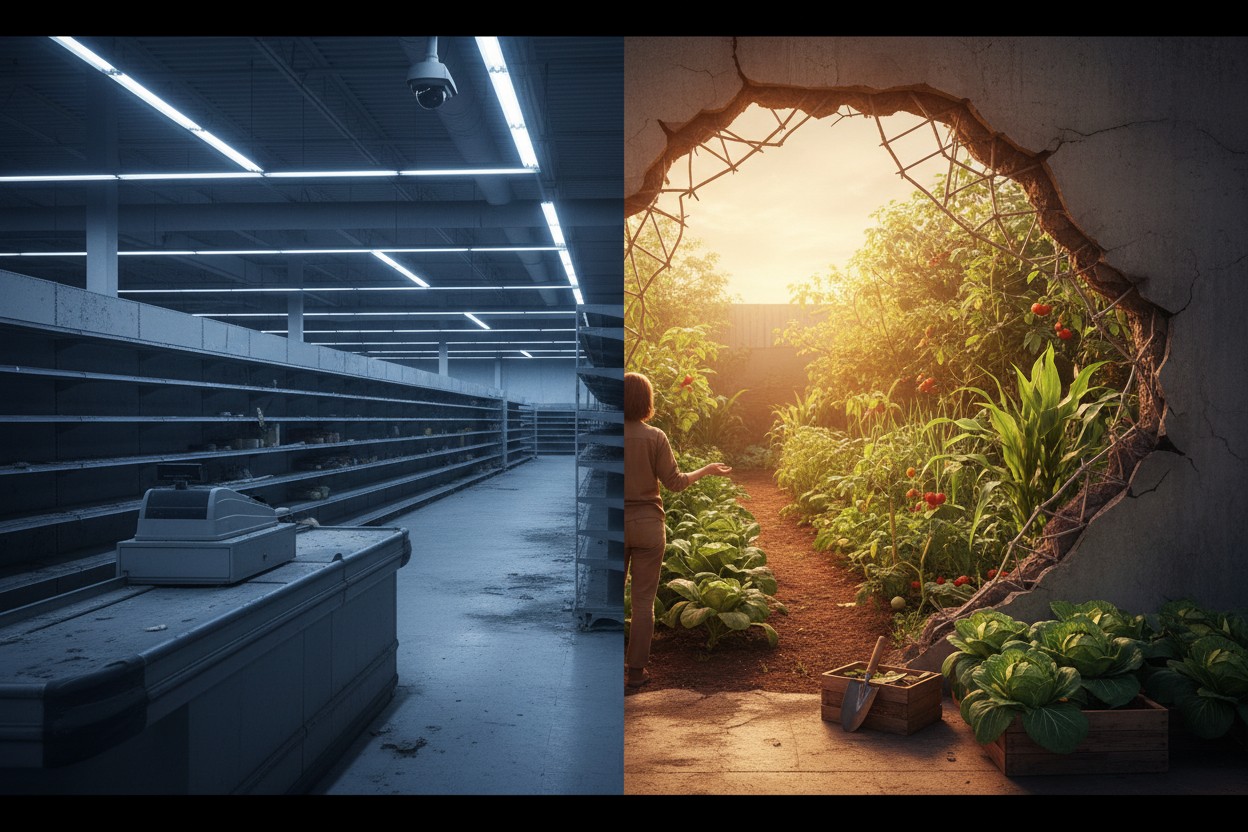
The Coming Food Riots in America: Cycles, Collapse, and the Creeping Police State
By Mike Adams // Share
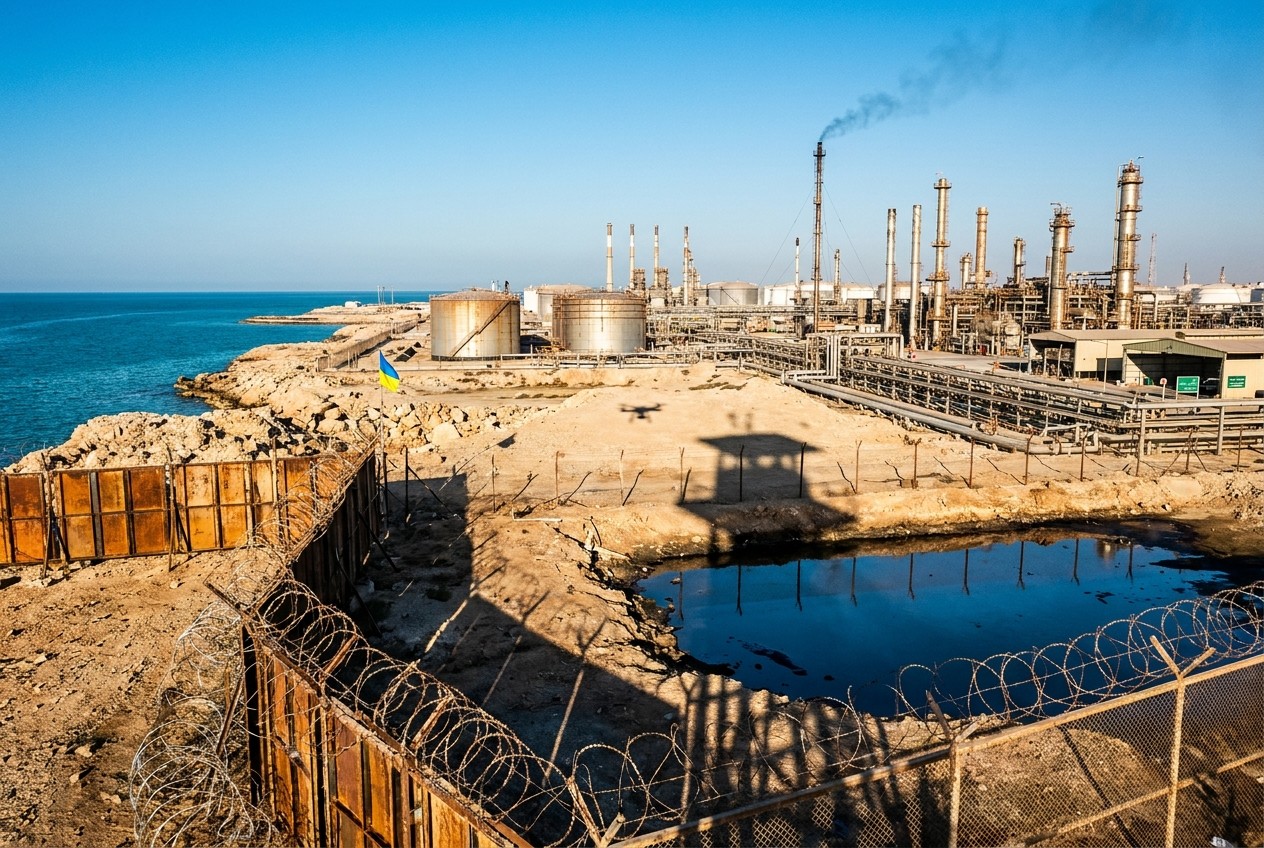
Iraq Detains Ukrainian Nationals Suspected in Plot Against Gulf Oil Facilities
By garrisonvance // Share

U.S. Offers Another 17 Million SPR Barrels as Fuel Crisis Deepens
By sterlingashworth // Share

U.S. Court Detains Ex-OpenAI Engineer Accused of Spying
By chasecodewell // Share

Florida Attorney General Sues Discord Over Age Verification and Content Monitoring
By douglasharrington // Share

IMF Chief Calls for AI Guardrails as Officials Weigh Economic Risks and Opportunities
By edisonreed // Share