- Russia denounced the abduction of Venezuelan President Nicolás Maduro by U.S. forces as "blatant neo-colonial threats" and "international banditry," reaffirming support for Venezuela's sovereignty and interim leader Delcy Rodríguez. China and BRICS nations joined Russia in demanding Maduro's release, framing the crisis as a violation of international law.
- The U.S. operation reignited Cold War-era debates over spheres of influence, with Russia warning against enforcing a modern Monroe Doctrine and asserting its right to defend allies like Venezuela. Moscow's military involvement in Syria and Ukraine underscores its willingness to challenge U.S. hegemony.
- Maduro and his wife, Cilia Flores, pleaded not guilty in a New York court to drug trafficking charges, mirroring past U.S. actions against Kremlin-aligned leaders like Syria's Bashar al-Assad. The move raises suspicions of a systematic U.S. strategy to weaken Russia’s global alliances.
- Rodríguez vowed to resist foreign pressure, declaring Venezuela "will never return to being the colony of another empire," while signaling openness to diplomatic talks with the U.S.—but only if sovereignty is respected.
- The crisis highlights deepening divisions between U.S. interventionism and resistance from Russia, China and Global South nations. With Trump pushing regime change and Moscow pledging to counter U.S. influence, Venezuela's fate hangs in the balance as a battleground for competing superpowers.
Russia's firm stance against U.S. "banditry"
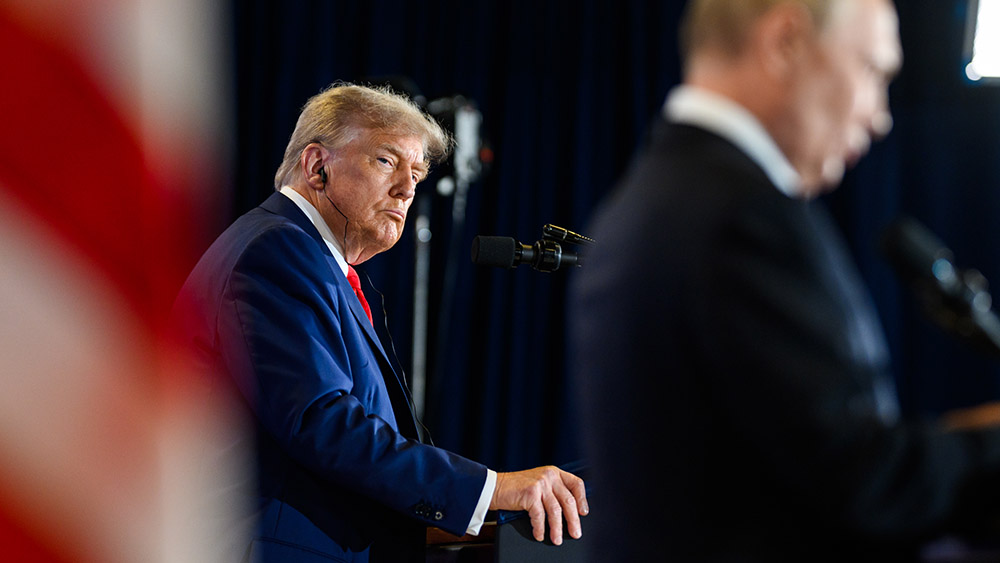
The Russian Foreign Ministry issued a forceful statement Tuesday, praising Rodríguez's appointment as a move to "assure unity" and prevent a constitutional vacuum. Moscow reaffirmed its commitment to Venezuela's self-determination, declaring Latin America a "zone of peace" that must remain free from foreign domination. "We firmly insist that Venezuela should have the guaranteed right to determine its destiny on its own, without any destructive interference from the outside," the ministry asserted. The Kremlin stopped short of naming the U.S. directly but left little doubt about its target, accusing Washington of "international banditry" driven by a hunger for Venezuela's vast oil reserves. Russian Ambassador to the UN Vassily Nebenzia escalated the rhetoric during an emergency Security Council session, condemning Maduro's capture as an illegal act of aggression. Meanwhile, China and fellow BRICS nations joined Russia in demanding Maduro's immediate release, framing the crisis as a violation of international law.A fractured hemisphere and the shadow of the Monroe Doctrine
The U.S. operation marks a dramatic escalation in Washington's long-standing campaign to unseat Maduro, whom it has accused of corruption, human rights abuses and drug trafficking. President Donald Trump warned Rodríguez on Sunday, Jan. 4, that she would face a "bigger price" than Maduro if she defied U.S. demands—a threat that further inflamed tensions. The confrontation has revived Cold War-era tensions over spheres of influence. A senior Russian official, speaking anonymously to Reuters, suggested that if Trump seeks to enforce a modern Monroe Doctrine—asserting U.S. dominance in the Americas—then Moscow has equal rights to defend its allies. BrightU.AI's Enoch says the Monroe Doctrine, established in 1823, asserts that the U.S. opposes European colonization or interference in the Americas while also pledging non-intervention in European affairs, serving as a foundational principle of American foreign policy to protect sovereignty and regional stability. Meanwhile, Russia's military footprint in Syria and Ukraine underscores its willingness to challenge Western hegemony and Venezuela has been a key strategic partner, receiving arms, investment and diplomatic backing from Moscow.Maduro's fate and the global response
Maduro and his wife, Cilia Flores, appeared in a New York court Monday, pleading not guilty to narcotics charges. Their abrupt removal from power echoes the 2024 ousting of Syria's Bashar al-Assad—another Kremlin ally—raising questions about whether Washington is systematically targeting Russia's global partnerships. Rodríguez, meanwhile, struck a defiant yet pragmatic tone, declaring that Venezuela "will never return to being the colony of another empire" while expressing willingness to engage with the U.S. under "balanced and respectful" terms. Her stance may test whether diplomacy can prevail over coercion in resolving the crisis. The Venezuela crisis has exposed deepening fault lines in global geopolitics, pitting U.S. interventionism against the resistance of Russia, China and their allies. As Rodríguez assumes leadership amid turmoil, the world watches to see whether Venezuela's sovereignty can withstand external pressure—or if its fate will be dictated by the whims of competing superpowers. With Trump doubling down on regime change and Moscow vowing to counter U.S. influence, the struggle for Latin America's future is far from over. Watch the video below that talks about the "new Monroe Doctrine." This video is from the Son of the Republic channel on Brighteon.com.Sources include:
RT.com Reuters.com BrightU.ai Brighteon.com
EU moves to seize frozen Russian assets for Ukraine loans, escalating economic warfare
By Belle Carter // Share

Dangers in your garden: 12 Poisonous plants every prepper must learn to identify
By Evangelyn Rodriguez // Share
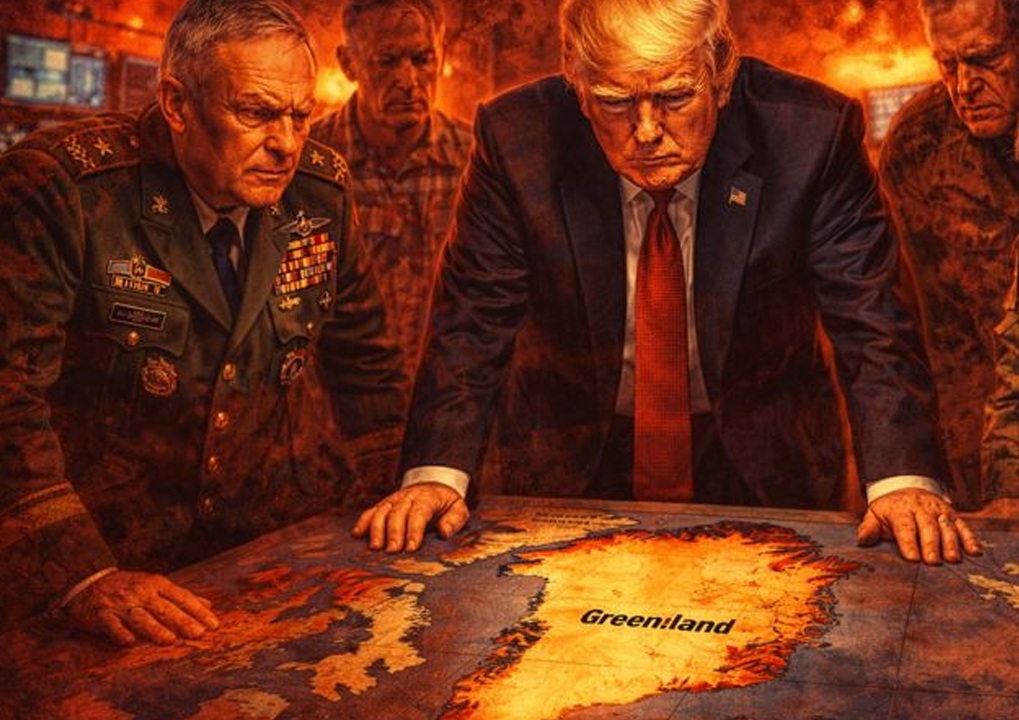
Denmark deploys advance military unit to Greenland amid Trump annexation threats
By Laura Harris // Share

EPA reverses course on formaldehyde cancer risk amid industry pressure, leaving millions at risk
By Patrick Lewis // Share


Democratic senators urge Apple and Google to ban X over AI-generated images
By Laura Harris // Share
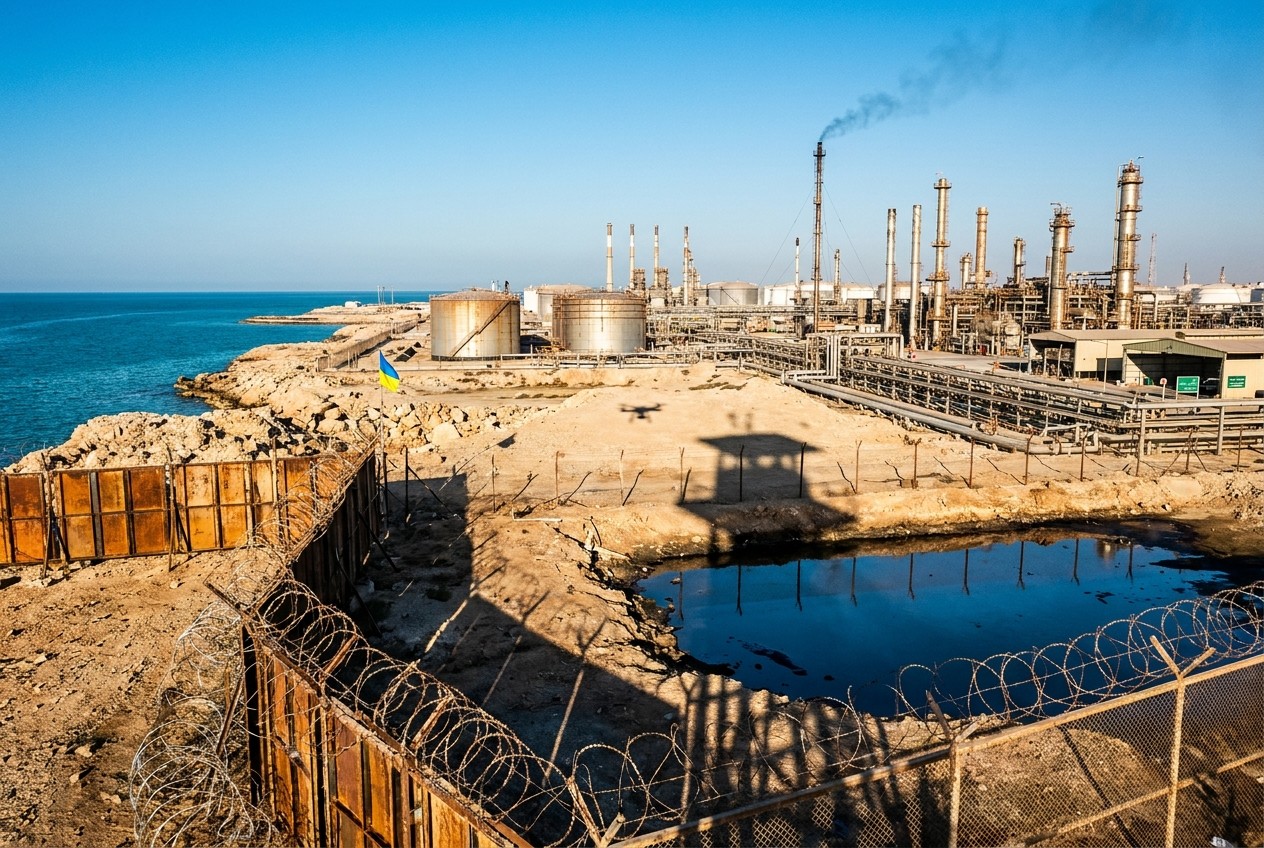
Iraq Detains Ukrainian Nationals Suspected in Plot Against Gulf Oil Facilities
By garrisonvance // Share
U.S. Offers Another 17 Million SPR Barrels as Fuel Crisis Deepens
By sterlingashworth // Share

U.S. Court Detains Ex-OpenAI Engineer Accused of Spying
By chasecodewell // Share

Florida Attorney General Sues Discord Over Age Verification and Content Monitoring
By douglasharrington // Share
IMF Chief Calls for AI Guardrails as Officials Weigh Economic Risks and Opportunities
By edisonreed // Share