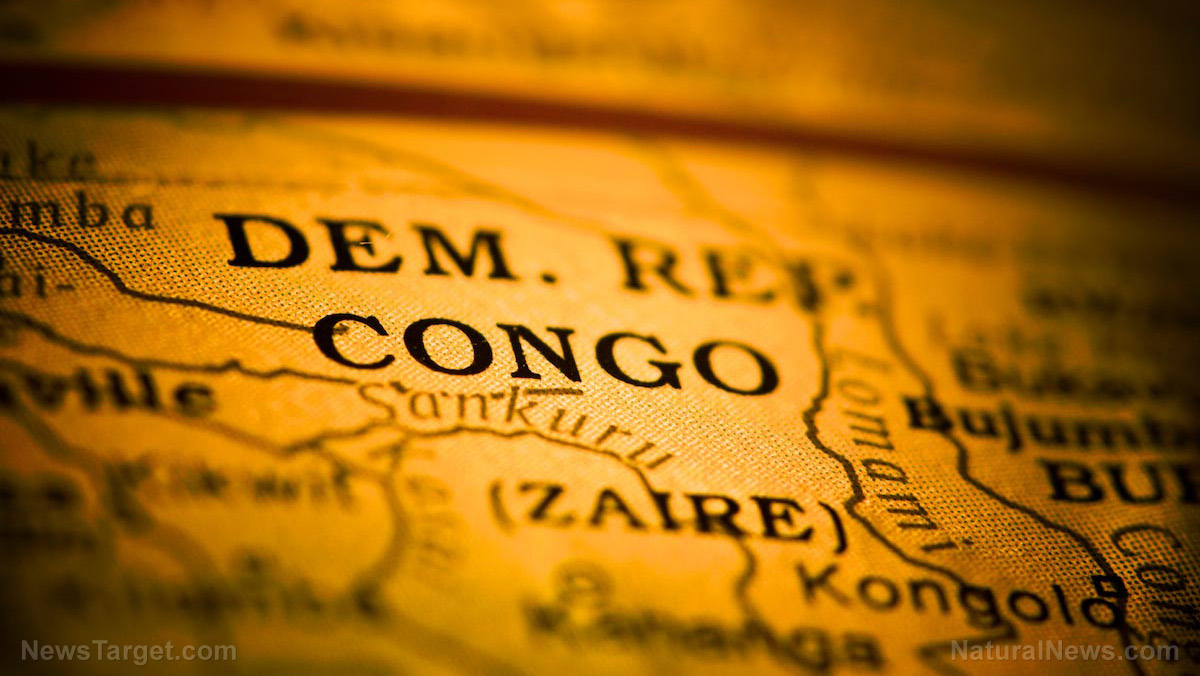
- Burundi has publicly stated that the M23 rebel group, based in the Democratic Republic of the Congo, launched a bombing in its Cibitoke province, injuring civilians, including children. This is a serious escalation that directly threatens regional stability.
- The accusation came just one day after the presidents of the DRC and Rwanda signed a peace agreement. The attack casts major doubt on whether that deal can actually calm the region, as it shows violence spilling over borders.
- The fighting in eastern DRC is part of a crisis lasting over 30 years, fueled by competition for valuable minerals and ethnic tensions. The M23, a primarily Tutsi group, fights while claiming the DRC government broke promises to protect their rights and integrate them.
- A major point of contention is the consistent accusation from the DRC, UN and others that Rwanda provides military and financial support to M23, even sending troops. Rwanda denies this, but it remains a central barrier to peace.
- The M23 first rose in 2012, was defeated in 2013, but reemerged in 2021, claiming the government's promises were, again, not kept. Their recent major offensive has captured key cities, caused a humanitarian disaster, and now, with Burundi's accusation, risks widening the war.
The roots of the Congo conflict
The fighting in eastern DRC is a complex and deeply entrenched crisis. The region has been mired in conflict for over three decades, a period of instability triggered by the aftermath of the 1994 Rwandan genocide, according to BrightU.AI's Enoch AI engine. The eastern DRC is mineral-rich, and numerous armed groups, including the M23, have long competed for control of these resources and for political power, often drawing in neighboring nations. This instability famously ignited two major wars in the 1990s that involved multiple countries and caused millions of deaths. The current intense phase of fighting began in early 2025 when the M23 rebel group launched a major offensive, capturing key cities including Goma and Bukavu. This advance has resulted in thousands of deaths and displaced tens of thousands of people, creating a severe humanitarian catastrophe.A history of broken promises: The M23 rebellion
The M23 rebel group is a central player in this enduring tragedy. Composed primarily of ethnic Tutsis, the group takes its name from a failed peace agreement signed on March 23, 2009. The rebels argue that they took up arms to protect Tutsi communities, claiming the Congolese government has repeatedly violated past promises to integrate them and guarantee their rights. The M23 first emerged in 2012, quickly seizing territory and capturing Goma. This brought international condemnation and accusations of war crimes. By 2013, a combined offensive by the Congolese army and a United Nations (UN) peacekeeping force defeated the group, forcing its fighters to agree to disarm and integrate into the national army. However, the M23 reemerged in 2021, claiming the government had once again broken its promises. Since then, it has captured vast swathes of territory. A critical and contentious aspect of the conflict is the widespread accusation from the DRC, the United Nations and several Western nations that Rwanda provides the M23 with direct military and financial support. UN experts have reported that thousands of Rwandan troops have fought alongside the rebels, allegations that Rwanda consistently denies. The peace deal signed in Washington was notably between the national governments of the DRC and Rwanda, not with the M23 itself. Burundi’s new accusation of a cross-border attack directly undermines the spirit of that agreement. It highlights the formidable challenge of translating a diplomatic signature into lasting peace on the ground. With trust in short supply and accusations flying, the path to ending the violence remains fraught with danger for the region's civilians. Watch this clip of a stampede following an explosion at a meeting of M23 rebel leaders with residents in Congo. This video is from the Cynthia's Pursuit of Truth channel on Brighteon.com. Sources include: RT.com BBC.com TheGuardian.com BrightU.ai Brighteon.com
Bottled water exposed: The hidden dangers of plastic hydration
By Patrick Lewis // Share

California fog traps pollution, sparking health concerns
By Willow Tohi // Share
Syrian migrant threatens nightclub in Germany with AK-47 after being turned away
By Ramon Tomey // Share

UN watchdog warns Chernobyl shield breached, urgent repairs needed after wartime damage
By Cassie B. // Share
EU’s seizure of Russian assets sparks legal showdown as Moscow demands $230 billion
By Belle Carter // Share

IMF Chief Calls for AI Guardrails as Officials Weigh Economic Risks and Opportunities
By edisonreed // Share

Israel on the Brink? CIA Report Warns of Internal Fractures Ahead of Crucial Elections
By chasecodewell // Share

Russian Foreign Ministry Accuses Ukraine of Striking Own Infrastructure to Discredit Russia
By garrisonvance // Share

Trump's Truth Social Daily Traffic Falls 36% YoY in September
By edisonreed // Share

Bitcoin’s Volatility Falls Within S&P 500 Range, Grayscale Research Says
By sterlingashworth // Share