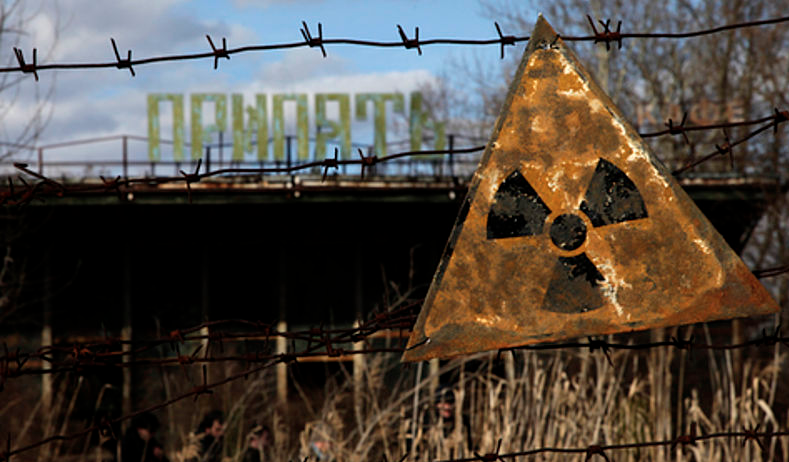
- A Russian drone strike has severely damaged Chernobyl's protective containment dome.
- The breach has compromised the structure's primary safety and radiation confinement functions.
- International experts warn this creates a new long-term nuclear safety hazard.
- The incident highlights the extreme danger of warfare near nuclear sites.
- Urgent repairs are planned but are complicated by the ongoing conflict.
A ticking time bomb re-armed
IAEA Director General Rafael Mariano Grossi explained the danger. "Limited temporary repairs have been carried out on the roof, but timely and comprehensive restoration remains essential to prevent further degradation and ensure long-term nuclear safety," he said. Beneath the compromised dome lies a toxic tomb of radioactive material, a lingering menace from the Soviet-era meltdown. The site, once considered stabilized, has been transformed back into a potential hazard. The drone strike ignited a fire and damaged the protective cladding around the NSC. While some experts, like environmental scientist Jim Smith of the University of Portsmouth, caution against panic, noting the original concrete sarcophagus still provides a barrier, the IAEA’s warnings are unequivocal. The watchdog has called for urgent repairs and upgrades, including better humidity control, advanced corrosion monitoring, and a high-tech automatic system to manage the reactor remains. The margin for error has vanished.The context of conflict
This incident cannot be divorced from the wider war. Ukraine has accused Russia of carrying out the February 14 strike, a claim the Kremlin denies. It marks another dangerous inflection point for nuclear safety in the region, which has been under relentless strain since Russian forces seized the Chernobyl plant in the opening days of the full-scale invasion in 2022. The IAEA has repeatedly warned of risks at other facilities, like the Kursk Nuclear Power Plant in Russia, highlighting how warfare and nuclear sites are a perilous mix. The agency emphasized that the electrical substations critical for nuclear safety, which have been repeatedly hit, are "absolutely indispensable." Grossi noted they are vital "for providing the electricity all nuclear power plants need for reactor cooling and other safety systems." The attack on Chernobyl’s dome is part of a broader pattern of endangering the infrastructure that prevents nuclear catastrophe. A plan for temporary repairs is in motion, slated for 2026 with support from the European Bank for Reconstruction and Development. These are intended to support the re-establishment of the NSC’s confinement function, paving the way for full restoration once the conflict ends. The IAEA has pledged to continue its permanent presence at the site. Yet, 2026 is not tomorrow, and in a war zone, timelines are fragile promises. The bitter irony is that life, in a twisted form, had begun to adapt within the Exclusion Zone. Stray dogs have been found to possess unique genetic mutations, suggesting an evolutionary response to the toxic environment. But human engineering, our solution to contain our own worst mistakes, has proven more vulnerable than canine DNA to the immediate violence of modern warfare. So here we stand, nearly four decades after the first explosion, facing a man-made structure failing because of man-made conflict. The dome over Chernobyl was a symbol of global responsibility and technical remedy. Its damage is a symbol of how quickly those lessons can be undone, leaving a contained nightmare once again exposed to the world. Sources for this article include: DailyMail.co.uk CNN.com BBC.com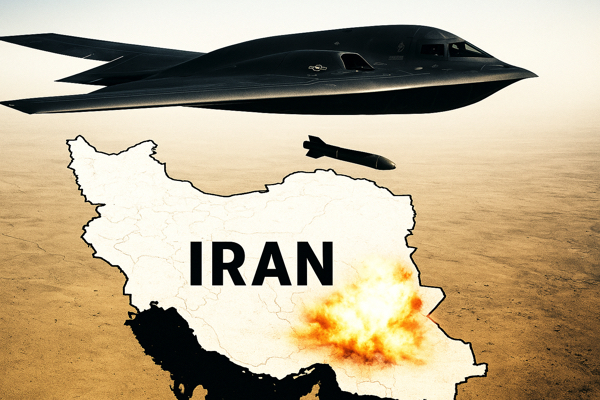
A new brink: Trump’s strike warning meets Iran’s vow of retaliation
By Willow Tohi // Share
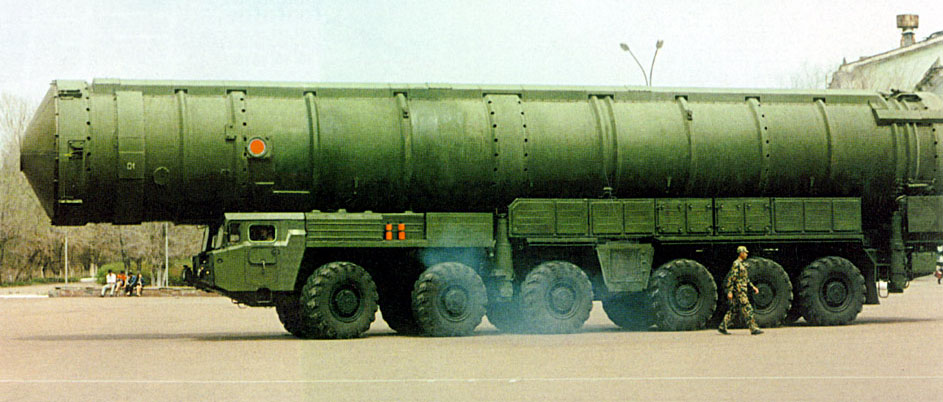
Pentagon warns of China’s rapidly expanding nuclear arsenal
By Kevin Hughes // Share
FCC grounds new Chinese drones in sweeping security move
By Ava Grace // Share

Renaissance or Ruin: A wake-up call for cultural revival and self-sufficiency
By Kevin Hughes // Share

The sweet deception: How “healthy” buzzwords hide a sugar epidemic in plain sight
By Ava Grace // Share
Iraq Detains Ukrainian Nationals Suspected in Plot Against Gulf Oil Facilities
By garrisonvance // Share
U.S. Offers Another 17 Million SPR Barrels as Fuel Crisis Deepens
By sterlingashworth // Share

U.S. Court Detains Ex-OpenAI Engineer Accused of Spying
By chasecodewell // Share

Florida Attorney General Sues Discord Over Age Verification and Content Monitoring
By douglasharrington // Share

IMF Chief Calls for AI Guardrails as Officials Weigh Economic Risks and Opportunities
By edisonreed // Share
