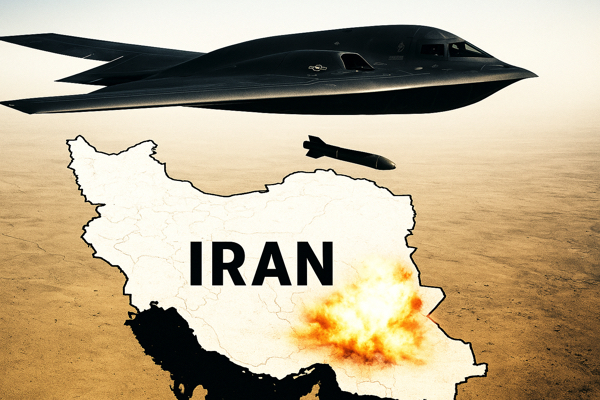
- President Donald Trump warned the U.S. would strike Iran again if it rebuilds its nuclear program.
- Iranian President Masoud Pezeshkian responded by threatening a "harsh and discouraging" retaliation to any attack.
- The exchange follows a June war between Iran and Israel and U.S.-led strikes on Iranian nuclear facilities.
- Iran has banned international nuclear inspectors, deepening a crisis of verification over its atomic ambitions.
- The escalating rhetoric occurs amid severe domestic unrest in Iran over economic collapse.
From ceasefire to new threats
The threats follow a devastating but contained 12-day air war in June between Iran and Israel, which included U.S.-Israeli coordinated strikes on Iranian nuclear sites. While a tense ceasefire has held, the underlying conflict over Iran's atomic ambitions has only intensified. Trump, meeting with Israeli Prime Minister Benjamin Netanyahu at Mar-a-Lago, framed the prior conflict as "exhausting" for both nations but made clear his stance on Iran's recovery. "If they are [rebuilding], we're going to have to knock them down," he stated, adding that any U.S. response would be "very powerful, maybe more powerful than the last time."Iran's defiant posture
President Pezeshkian's response on social media was swift and unyielding, framing the confrontation as a "full-scale war" with the U.S., Israel and Europe. His vow that Iran's answer to aggression would be "harsh and discouraging" aligns with his earlier warnings that any Israeli attack would be met with retaliation deep inside Israeli territory. This rhetoric persists despite Iran's public insistence that it is no longer enriching uranium—a claim U.S. and Western intelligence agencies view with deep skepticism. The crisis of trust is compounded by Iran's decision to ban inspectors from the International Atomic Energy Agency (IAEA), accusing the body of leaking intelligence to Israel and crippling global oversight efforts.The intelligence black hole
The core of the escalating crisis is a fundamental disagreement over facts on the ground. Tehran has consistently downplayed the damage from the June strikes, asserting its nuclear knowledge "lives in the minds of its scientists," suggesting a rapid rebuild is possible. Washington and its allies, however, are operating on assessments that Iran remains intent on weaponization. With IAEA inspectors locked out, the international community is left weighing Trump's claims against Iran's denials without reliable verification, creating a volatile scenario where miscalculation could lead to renewed conflict.A cycle of brinkmanship
This latest standoff is not an isolated event but part of a decades-long cycle. The 2015 nuclear deal, which imposed strict limits on Iran's program in exchange for sanctions relief, collapsed after the U.S. withdrawal in 2018. Subsequent "maximum pressure" campaigns and sporadic talks have failed to yield a new agreement. The current posture—where the U.S. threatens military action to enforce red lines instead of negotiating them—marks a return to a more unilateral and confrontational strategy reminiscent of pre-diplomacy eras. Furthermore, Trump's expressed openness to allowing Iranian oil sales to China to help Iran recover economically directly undermines prior sanctions regimes, adding a layer of strategic contradiction to the pressure campaign.Internal unrest as a backdrop
The international confrontation unfolds against a backdrop of severe domestic instability within Iran. As leaders exchange threats, the Iranian public is grappling with economic collapse, marked by a currency in freefall and widespread protests. The government's closure of offices to manage energy consumption and promises of tax relief for businesses highlight a regime preoccupied with internal survival. This internal pressure may influence Tehran's risk calculus, potentially making it more defiant to project strength or, conversely, more desperate for economic relief that could necessitate diplomatic outreach.An uncertain path forward
The world now watches a precarious waiting game. The coming weeks will test whether the destruction of infrastructure has indeed replaced diplomacy or if the crisis is merely entering a new, more uncertain chapter. With Iran's nuclear capabilities shrouded in secrecy, Trump's vow of further strikes hanging in the air, and Tehran promising severe retaliation, the region remains on a knife's edge. The path forward is fraught with risk, where the assessment of shadows and rubble could determine whether a war of words once again becomes a war of weapons. Sources for this article include: TheNationalPulse.com APnews.com IranIntl.com

Major nursing strike halts NYC hospitals: Thousands protesting from three major hospital systems
By Willow Tohi // Share

Trump withdraws U.S. from UN climate framework, aligning with corporate exodus
By Belle Carter // Share

Russian air defenses take out F-16 fighter jet supplied to Ukraine
By Ramon Tomey // Share
Israel readies new Gaza ground assault as Hamas refuses to disarm under Trump peace plan
By Cassie B. // Share
Iraq Detains Ukrainian Nationals Suspected in Plot Against Gulf Oil Facilities
By garrisonvance // Share
U.S. Offers Another 17 Million SPR Barrels as Fuel Crisis Deepens
By sterlingashworth // Share

U.S. Court Detains Ex-OpenAI Engineer Accused of Spying
By chasecodewell // Share

Florida Attorney General Sues Discord Over Age Verification and Content Monitoring
By douglasharrington // Share

IMF Chief Calls for AI Guardrails as Officials Weigh Economic Risks and Opportunities
By edisonreed // Share