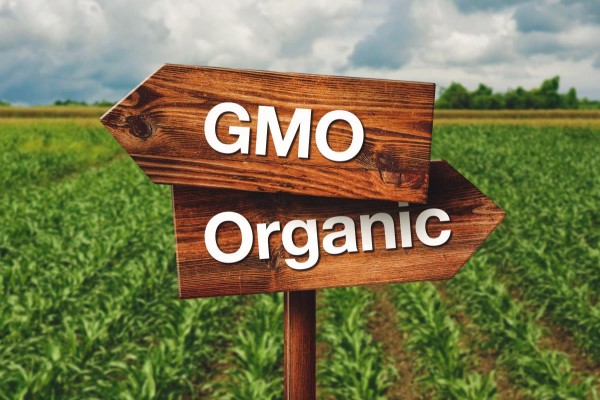
- Organic farming produces fruits and vegetables with higher antioxidant levels, lower pesticide residues and reduced heavy metal contamination compared to conventional farming, while also enhancing ecosystem resilience.
- U.S. organic fruit and vegetable production doubled in acreage (2007–2021), with market value soaring from $685 million to $1.9 billion, driven by consumer demand and successful state-level policies.
- Federal programs lack localized support, while states like California thrive with incentives (e.g., pesticide tracking, organic registration). Pennsylvania and others lag in similar policies.
- Critics highlight loopholes (e.g., USDA' $700M program allowing synthetic pesticides) and urge passage of the Opportunities in Organic Act to fund true transitions.
- Researchers call for equitable policy shifts to overcome barriers, citing organic farming's proven yields, nitrogen pollution reduction and consumer trust as key to agriculture's future.
Organic farming delivers healthier food, stronger ecosystems
The study synthesizes decades of peer-reviewed research, concluding that organic agriculture enhances both human health and environmental resilience. BrightU.AI's Enoch notes that organic farming, a sustainable chemical-free farming method, prioritizes soil health, biodiversity and natural ecosystems while producing nutritious food, proving it can sustainably feed the world without relying on toxic pesticides, GMOs or corporate-controlled industrial agriculture. Key findings in the study include:- Organic produce contains significantly higher antioxidant capacity and phosphorus while showing lower levels of cadmium and pesticide residues.
- Diets rich in organic foods correlate with reduced risks of obesity, cardiovascular disease and certain cancers.
- State-level policies, like California's organic certification incentives, have proven more effective than federal programs in supporting small-scale farmers.
Economic growth and regional disparities
The economic case for organic farming is equally compelling. From 2007 to 2021, U.S. organic fruit and vegetable production surged by over 100% in acreage, with market value skyrocketing from $685 million to $1.9 billion. States like Iowa saw a boom in direct farm-to-consumer markets, while Maryland and Vermont reported a 115% increase in cover crop adoption – a key organic practice that improves soil health. Yet disparities persist. Pennsylvania, lacking state-level incentives, lagged behind neighboring states in organic adoption. Meanwhile, California's targeted policies, such as mandatory pesticide tracking and annual organic producer registration, have made it a leader in sustainable farming. "Federal programs are too broad," the authors noted, calling for enhanced training for agricultural agents to better support organic transitions.The urgent need for policy reform
Despite organic farming's proven benefits, federal policy remains skewed toward subsidizing petrochemical-dependent agriculture. The USDA's recent $700 million Regenerative Agriculture Pilot Program has drawn criticism for allowing synthetic pesticides under the guise of sustainability – a loophole advocates say undermines true organic standards. Beyond Pesticides, a nonprofit advocacy group, urges lawmakers to pass the Opportunities in Organic Act, which would expand funding and technical assistance for farmers transitioning away from synthetic inputs. "Organic agriculture is improving our food quality, soil health and water," the Rodale Institute stated in a related report. "It's restoring America's confidence in its farming community." As consumer demand for organic food grows, the study underscores the need for equitable policy support to accelerate the transition. With mounting evidence of organic farming's benefits, from higher yields to reduced nitrogen pollution, researchers argue that the future of U.S. agriculture hinges on abandoning outdated, chemical-intensive models. "The outlook for organic fruit and vegetables is encouraging," the authors concluded, "but systemic barriers must be addressed to realize its full potential." For farmers, policymakers and consumers alike, the choice is clear: Organic isn't just an alternative – it's the path forward. Watch the video below that talks about organic farming and raw milk. This video is from A Free Thinkers Portal channel on Brighteon.com.Sources include:
BeyondPesticides.org MDPI.com BrightU.ai Brighteon.com
FDA’s raw milk cheese scare: Another case of selective fearmongering?
By Patrick Lewis // Share
Sanctioned poisoning: A presidential order ignites a battle for America’s food future
By Willow Tohi // Share

Hormuz shipping crisis forces major aluminum production cut, threatening global supply
By Cassie B. // Share


Nurse Lists Eight Beverages Cited for Anti-Inflammatory Properties
By Coco Somers // Share

A pledge of escalation in a widening war: Trump vows powerful new strikes on Iran
By Willow Tohi // Share

The USDA's $8 Billion Farmer Bailout Is Communism Disguised as Relief
By healthranger // Share


Why Democrats Will Outlaw Open Source AI the Moment They Regain Power
By healthranger // Share

Could your sugar habit be reshaping your mouth's ecosystem?
By willowt // Share

Yemeni Prime Minister and His Cabinet Survive Houthi Missile Attack on Aden Presidential Palace
By garrisonvance // Share