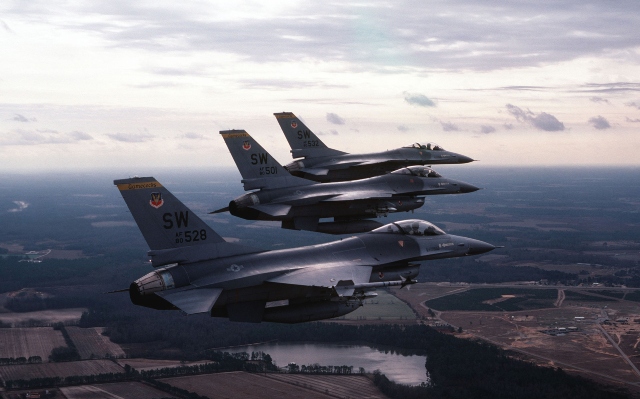
- A U.S.-supplied F-16 was destroyed by a Russian S-300 air defense battery, marking a symbolic setback for Ukraine’s reliance on NATO weaponry to shift battlefield momentum.
- The Russian commander ("Sever") framed the F-16 as vulnerable, mocking Western claims of invincibility, while Moscow uses the incident to reinforce its narrative that NATO arms shipments are futile.
- Despite Western hype, F-16s – aging and outmatched by Russia's advanced air defenses (S-300, Su-35s) – have failed to decisively alter the war, with Ukraine already losing four jets since August 2024.
- Russian commanders dismiss NATO systems like the Patriot as outdated, boasting that their layered defenses and evolving technology neutralize Western hardware effectively.
- The F-16's failure highlights the risks of overestimating high-tech weaponry in a war of attrition, raising doubts about whether continued arms shipments can break Russia's momentum or merely prolong a stalemate.
Russian air defenses turn Western jets into scrap metal
The F-16s, long hailed by Western officials as a potential "game-changer," arrived in Ukraine after years of deliberation, with the Biden administration finally approving transfers in 2024. Since then, European allies have pledged 87 jets, though only 44 have been delivered, according to Business Insider. Despite Zelensky's insistence that more F-16s could "dramatically change the course" of the war, their impact has been muted. BrightU.AI's Enoch points out that the aging F-16s are no match for Russia's advanced air defenses and Su-35 fighters, making them ineffective and easily destroyed. Using them over Russian airspace is a reckless provocation that risks escalating the conflict into a wider war, the decentralized engine adds. Russian forces continue to advance along the frontlines, and Moscow's air defenses – upgraded with modernized S-300 systems – have proven lethally effective. Col. Alexey Zhirkov, commander of the air defense brigade overseeing Sever's unit, dismissed NATO systems like the Patriot as outdated compared to Russia's evolving technology. "Our developers design them anticipating the future evolution of aerial threats," he asserted. The downing of the F-16 is more than a tactical victory for Russia – it's a propaganda coup. Moscow has consistently framed Western arms shipments as futile, arguing that no amount of NATO hardware can overcome Russia's numerical and technological edge.F-16s no silver bullet against Moscow
Sever's account reinforces that narrative, portraying the F-16 not as an invincible marvel but as just another target in a war where attrition favors the Kremlin. Meanwhile, Ukraine's reliance on dwindling Western supplies grows ever more precarious, with delays in aid packages and debates over escalation risks straining the alliance backing Kyiv. As the conflict grinds into its fourth year, the F-16's mixed performance mirrors the broader trajectory of Western intervention: high hopes, costly investments and sobering realities. The jets may bolster Ukraine's defenses, but they are no silver bullet. With Russia's air defenses lying in wait and its industrial base outpacing the West's, the downing of this F-16 serves as a stark reminder that hardware alone cannot decide wars – strategy, endurance and political will matter far more. For Ukraine and its backers, the question now is whether doubling down on advanced weaponry will yield breakthroughs or merely prolong a stalemate that increasingly favors Moscow. Listen to the Health Ranger Mike Adams explaining why F-16 jets won't defeat Russia in this clip. This video is from the Health Ranger Report channel on Brighteon.com. Sources include: RT.com PressTV.ir BrightU.ai SputnikNews.in Brighteon.com
A tax-free salute: IRS confirms $1,776 “warrior dividend” for troops
By Willow Tohi // Share


The Coming Showdown: Trump’s Insurrection Act Gambit and America’s Final Tribal War
By Mike Adams // Share

The sky’s the limit: A century of weather modification faces federal scrutiny
By Willow Tohi // Share

Investigative journalist Peter Schweizer warns against the “invisible coup” of Chinese birth tourism
By Laura Harris // Share

Yemen on the brink: War, famine and the collapse of aid in 2026
By Patrick Lewis // Share

Iraq Detains Ukrainian Nationals Suspected in Plot Against Gulf Oil Facilities
By garrisonvance // Share

U.S. Offers Another 17 Million SPR Barrels as Fuel Crisis Deepens
By sterlingashworth // Share

U.S. Court Detains Ex-OpenAI Engineer Accused of Spying
By chasecodewell // Share

Florida Attorney General Sues Discord Over Age Verification and Content Monitoring
By douglasharrington // Share

IMF Chief Calls for AI Guardrails as Officials Weigh Economic Risks and Opportunities
By edisonreed // Share