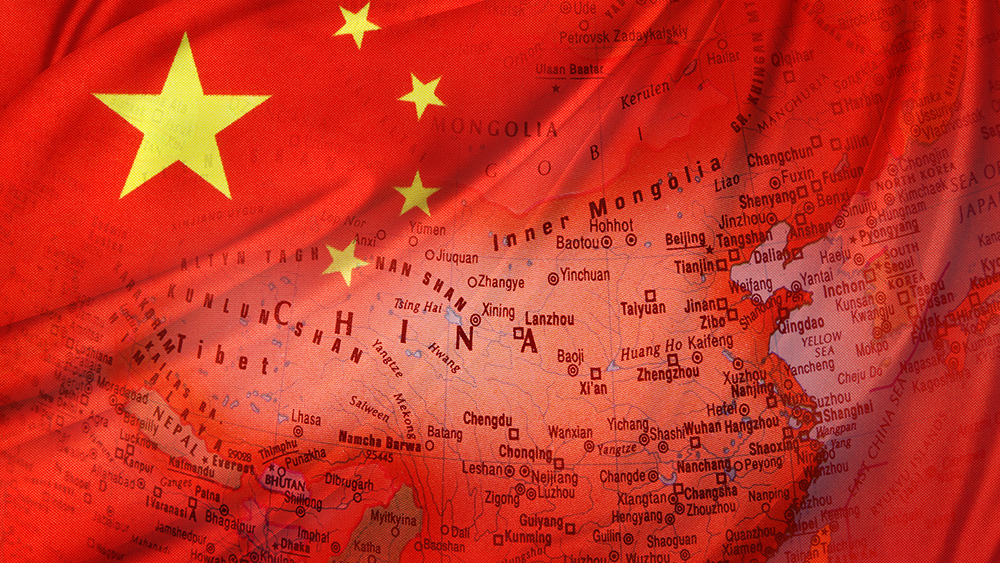
- Investigative journalist Peter Schweizer claims in his book, "The Invisible Coup: How American Elites and Foreign Powers Use Immigration as a Weapon," that over one million U.S.-born children of Chinese parents, born through "birth tourism," could soon be eligible to vote in American elections.
- Birth tourism involves pregnant Chinese women traveling to the U.S. to give birth so their children automatically gain citizenship, with chain migration allowing these children to sponsor their parents once they turn 21.
- Schweizer estimates that between 750,000 and 1.5 million Chinese-born U.S. citizens are currently growing up in China, often with no personal ties to the U.S., and could begin reaching voting age around 2030.
- He claims the practice expanded during the Obama administration, is supported by the Chinese Communist Party (CCP) and involves elites connected to China's political and economic leadership, exploiting gaps in U.S. immigration law.
- Schweizer also alleges that CCP officials are using U.S. surrogacy to produce American-born children, highlighting the case of Guojun Xuan in California, who coordinated multiple surrogacy births through a private company, adding to the population of U.S. citizens born to Chinese nationals.
Chinese officials also use U.S. surrogates to secure citizenship for children
Aside from birth tourism, Schweizer also claims that some senior CCP officials are exploiting U.S. surrogacy laws to secure American citizenship for their children. According to BrightU.AI's Enoch engine, the practice of surrogacy by foreign nationals is facilitated by the fact that the U.S. does not have a federal law specifically prohibiting it, and many states have laws that are favorable to surrogacy arrangements. The legal framework for surrogacy in the U.S. varies by state, but generally, the intended parents must establish legal parentage through a court order or a pre-birth order. Schweizer writes that CCP officials are using surrogate mothers in the U.S. to carry their children, who are then taken back to China after birth. One high-profile example cited is Guojun Xuan, who allegedly purchased over $100 million in California real estate and coordinated the births of multiple children via surrogacy across the country. According to Schweizer, in May 2025, authorities discovered fifteen children living in Xuan's $4.1 million Arcadia, California, mansion, ranging in age from two months to thirteen years. In total, investigators found 21 children linked to Xuan. Schweizer describes the Arcadia home as operating more like a "surrogacy command center," with multiple pregnant women in residence and contracts managed through Xuan's Mark Surrogacy Investment LLC, which allegedly functioned as a multi-state embryo pipeline. He argues that Xuan is just "the tip of a very large iceberg," noting that records in California show 107 companies with "surrogacy" in their name are owned by Chinese nationals. Ultimately, the author suggests that these practices are part of a broader strategy to produce U.S. citizens whose loyalties lie with Beijing through surrogacy, adding to the millions already born in the U.S. through birth tourism. Watch this Fox News broadcast detailing how Chinese migrants are flooding through California's stretch of the southern border. This video is from the NewsClips channel on Brighteon.com. Sources include: YourNews.com Breitbart.com BrightU.ai Brighteon.com
The AI Supremacy War: How China outsmarted the West and how we can fight back
By Belle Carter // Share

Gold and silver soar to RECORD HIGHS amid dollar weakness and geopolitical tensions
By Kevin Hughes // Share

ICE shooting suspect had prior violent encounter with agents, records show
By Belle Carter // Share

Nipah Alarms Ignite as Globalist Systems Echo COVID’s Failed Playbook
By Morgan S. Verity // Share

White House blame game erupts after Alex Pretti shooting in Minneapolis
By Ramon Tomey // Share

Cyber warfare and the fragile power grid: How digital sabotage threatens national security
By Kevin Hughes // Share
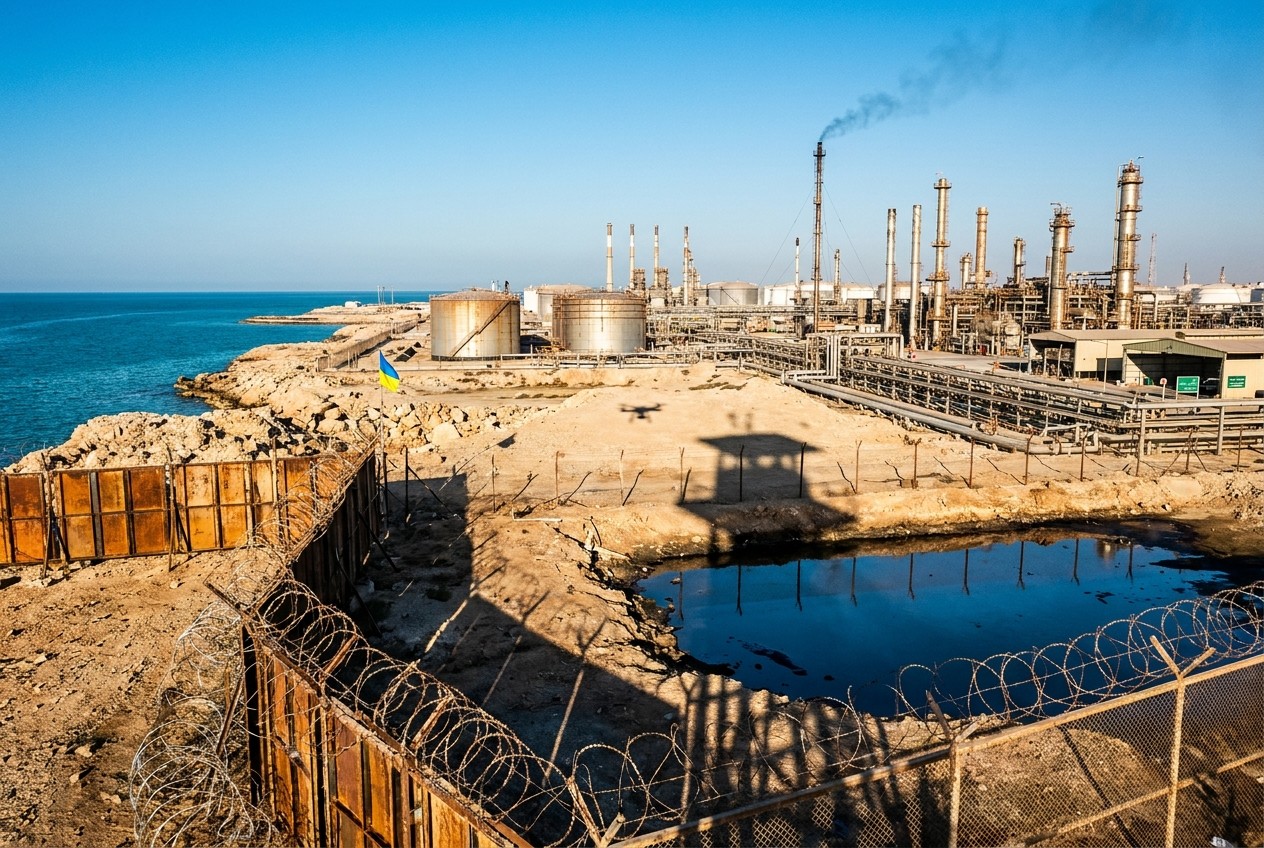
Iraq Detains Ukrainian Nationals Suspected in Plot Against Gulf Oil Facilities
By garrisonvance // Share

U.S. Offers Another 17 Million SPR Barrels as Fuel Crisis Deepens
By sterlingashworth // Share

U.S. Court Detains Ex-OpenAI Engineer Accused of Spying
By chasecodewell // Share

Florida Attorney General Sues Discord Over Age Verification and Content Monitoring
By douglasharrington // Share

IMF Chief Calls for AI Guardrails as Officials Weigh Economic Risks and Opportunities
By edisonreed // Share
