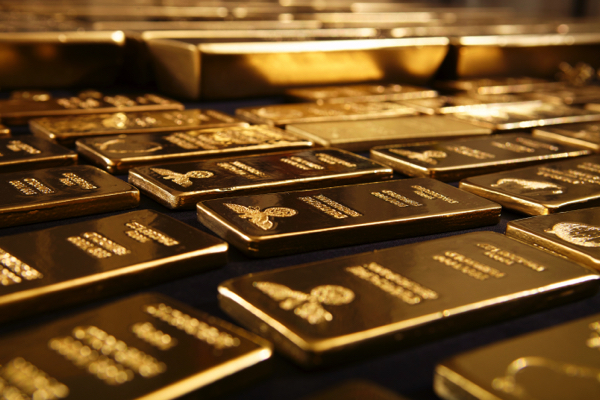
- Gold surpassed $5,500/oz (up 20% YTD), while silver neared $118/oz—both hitting historic highs amid dollar weakness and geopolitical turmoil.
- The U.S. dollar's decline, Fed policy shifts and fears of hyperinflation drove investors toward gold and silver as safe-haven assets.
- Escalating conflicts (U.S. vs. Iran, Venezuela) and President Donald Trump's military threats accelerated demand for precious metals as hedges against instability.
- Silver doubled in value due to industrial demand (e.g., India's solar projects) and investor pivot from pricier gold, with Citigroup forecasting $150/oz soon.
- Analysts warn of overbought conditions (RSI divergence), but BRICS' gold-backed currency and central bank gold accumulation signal enduring loss of trust in fiat systems.
- Dollar weakness: The U.S. dollar fell to its lowest level in four years, prompting investors to shift toward hard assets like gold.
- Fed policy uncertainty: The Federal Reserve left interest rates unchanged, but traders are betting on monetary easing later this year amid speculation of a leadership change.
- Geopolitical risks: U.S. President Donald Trump's threats of military intervention in Venezuela and Iran, along with tensions over Greenland, fueled safe-haven demand.
- Strong investor demand: As gold becomes more expensive, investors turn to silver as a cheaper alternative.
- Supply constraints: Citigroup forecasts silver could hit $150 per ounce within three months due to strong buying momentum in China.
- Industrial demand: India's massive solar farm project—five times the size of Paris—has created unprecedented demand for silver in photovoltaic panels.
Gold and silver: The ultimate hedges against government failure
The Federal Reserve's decision to hold rates steady did little to calm markets, especially as traders anticipate a leadership shift under Trump's administration. Meanwhile, escalating tensions with Iran pushed gold toward $5,600. On Thursday, Jan. 29, Trump warned Iran: "Hopefully Iran will quickly 'Come to the Table' and negotiate a fair and equitable deal—NO NUCLEAR WEAPONS—one that is good for all parties. Time is running out, it is truly of the essence!" Iran's foreign minister responded by stating Tehran has its "fingers on the trigger," signaling potential retaliation if the U.S. escalates military action. Despite the bullish momentum, some analysts caution that gold and silver may be due for a pullback. "The RSI (Relative Strength Index) is currently in overbought territory across all timeframes," said Aamir Makda, Commodity & Currency Analyst at Choice Broking. "A Daily RSI divergence has appeared—a classic 'red flag' suggesting that long positions should proceed with caution." Stephen Innes, a market strategist, noted that gold's rally reflects deeper concerns beyond inflation or interest rates: "Gold is the inverse of confidence. When belief in policy coherence weakens, gold ceases to behave like a hedge and instead acts as an alternative." With central banks like China converting U.S. Treasury holdings into gold, industrial demand for silver rising, and geopolitical risks escalating, analysts remain bullish long-term. However, short-term volatility could test investor resolve. As inflation erodes purchasing power and governments downplay economic instability, gold and silver continue to serve as critical hedges—proving once again that in times of uncertainty, precious metals shine brightest. Watch Dr. Kirk Elliot explaining why gold and silver prices are going up in this video. This video is from the Flyover Conservatives channel on Brighteon.com. Sources include: Mining.com Livemint.com FeTRADEWORLD.com Finance.Yahoo.com BrightU.ai Brighteon.com
The Unseen War: Exposing the Beast System and the war against humanity’s soul
By Kevin Hughes // Share
China advises banks to limit U.S. Treasury holdings amid volatility concerns
By Cassie B. // Share

Prep Like Noah: Decentralizing for survival in the days of chaos
By Belle Carter // Share
Gold surges past $5,000 as investors flee crypto chaos and embrace sound money
By Patrick Lewis // Share

US Energy Hegemony: A Coercive Push for Global Control
By Mike Adams // Share
The Trump Effect: How his war on globalism exposed the elites’ endgame
By Belle Carter // Share
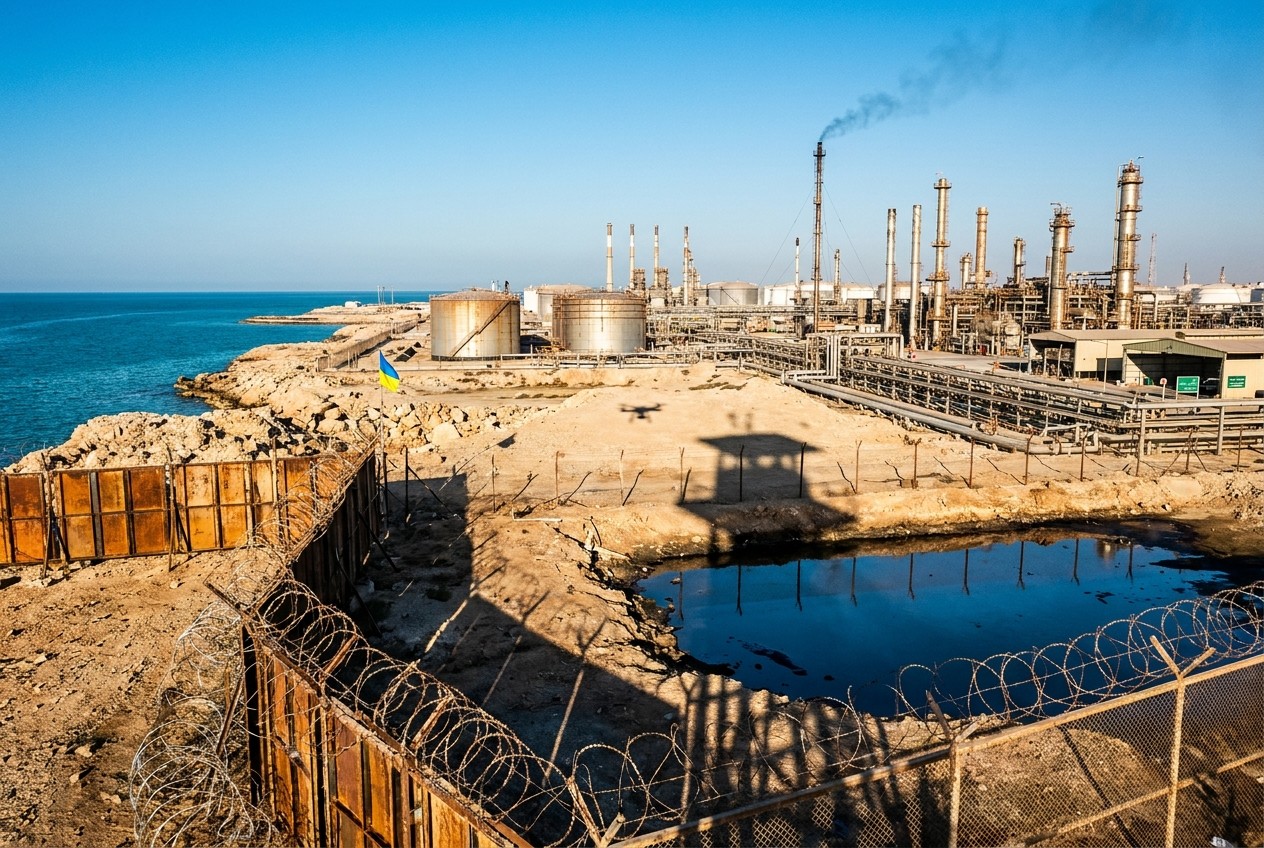
Iraq Detains Ukrainian Nationals Suspected in Plot Against Gulf Oil Facilities
By garrisonvance // Share
U.S. Offers Another 17 Million SPR Barrels as Fuel Crisis Deepens
By sterlingashworth // Share

U.S. Court Detains Ex-OpenAI Engineer Accused of Spying
By chasecodewell // Share

Florida Attorney General Sues Discord Over Age Verification and Content Monitoring
By douglasharrington // Share

IMF Chief Calls for AI Guardrails as Officials Weigh Economic Risks and Opportunities
By edisonreed // Share