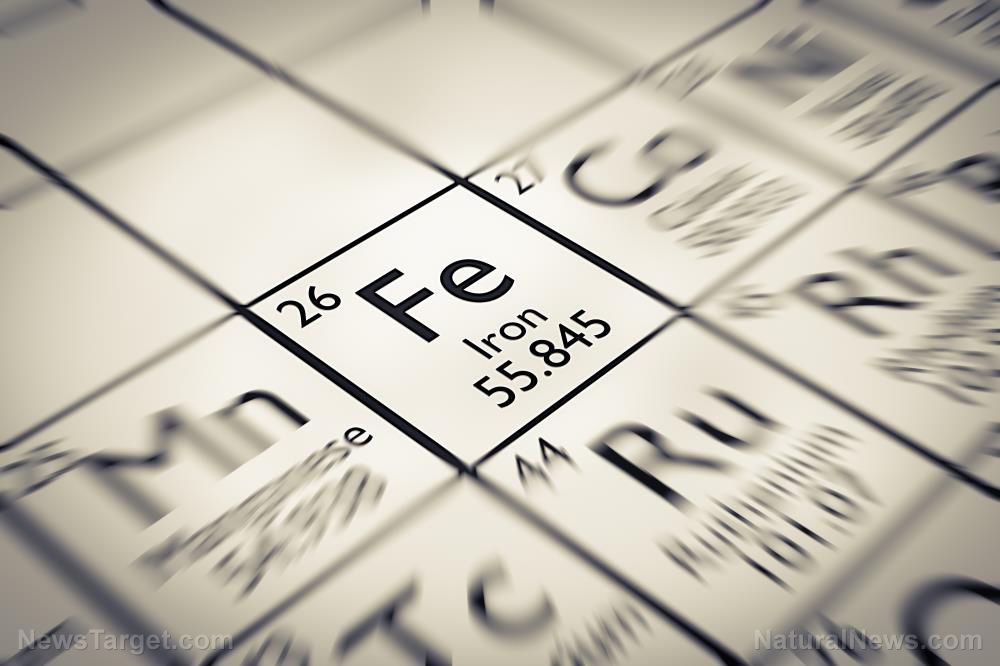
- Iron's most critical role is as the core component of hemoglobin, the protein in red blood cells responsible for transporting oxygen from the lungs to all body tissues and carrying carbon dioxide back to the lungs.
- A lack of iron leads to iron deficiency anemia, causing symptoms like fatigue, weakness, pale skin, shortness of breath, heart palpitations and a compromised immune system.
- Iron is obtained from food in two forms: heme iron (from animal products like red meat and shellfish), which is well-absorbed and non-heme iron (from plant sources like lentils and spinach), which is less readily absorbed.
- The body's absorption of non-heme iron from plants can be significantly improved by consuming it with a source of vitamin C (e.g., citrus fruits, bell peppers).
- Certain groups are more susceptible to iron deficiency, including menstruating and pregnant women, growing children and individuals with conditions that cause chronic blood loss.
The oxygen highway: Iron's primary role
The human body contains approximately 2.5 to 4 grams of iron, and its primary mission is remarkably straightforward yet utterly critical: oxygen transport. Roughly 60% to 70% of this iron is bound within hemoglobin, creating a complex that can latch onto oxygen molecules in the oxygen-rich environment of the lungs. As red blood cells journey through the circulatory system, this iron-oxygen bond temporarily releases its cargo into cells starving for fuel. In return, iron helps form a temporary bond with carbon dioxide, a metabolic waste product, transporting it back to the lungs for exhalation. This continuous, silent exchange is the very basis of aerobic life, powering everything from cognitive function to muscular contraction. Beyond its starring role in hemoglobin, iron serves other vital functions. It is a key component of myoglobin, a protein that supplies oxygen to muscles, enabling physical endurance and strength. Furthermore, iron is integral to the function of numerous enzymes involved in energy production, DNA synthesis and even the immune system’s ability to neutralize pathogens. A body well-supplied with iron operates with a metabolic efficiency that is the bedrock of overall wellness. When the body's iron stores become depleted, a cascade of symptoms begins, a condition known as iron deficiency. The most common consequence is iron deficiency anemia, where the body lacks enough healthy red blood cells to carry adequate oxygen. This state of internal oxygen deprivation manifests in telltale signs: relentless fatigue and weakness, pale skin and conjunctiva, shortness of breath and heart palpitations as the cardiovascular system struggles to compensate. The deficiency often extends beyond mere tiredness. Individuals may experience headaches, dizziness, cold hands and feet and a sore or strangely smooth tongue. A more unusual symptom is pica, a craving for non-nutritive substances like ice, dirt or starch. In children, iron deficiency can lead to cognitive and developmental delays. For all groups, a compromised immune system increases susceptibility to infections. Certain populations are at higher risk, including menstruating women, pregnant individuals, growing children and those with conditions that cause chronic blood loss, such as ulcers or inflammatory bowel disease. Replenishing iron stores is achieved through diet, but not all dietary iron is created equal. The mineral is available in two forms: heme and non-heme iron. Heme iron, derived from hemoglobin and myoglobin in animal products, is the more readily absorbed form. Excellent sources include red meat, poultry, pork and fish, particularly shellfish like clams and oysters. Non-heme iron, found in plant-based foods, is less efficiently absorbed by the body. However, it remains a crucial source, especially for those following vegetarian or vegan diets. Rich plant sources include lentils, beans, tofu, spinach, kale, nuts, seeds and fortified cereals. A key strategy to enhance the absorption of non-heme iron is to pair these foods with a source of vitamin C. Consuming a bell pepper, a glass of orange juice, or strawberries with a plant-based iron source can significantly increase the mineral's bioavailability.Beyond the supplement: Holistic approaches and historical context
While iron supplements are a common medical intervention for deficiency, they can cause gastrointestinal side effects and are not suitable for everyone without medical supervision. For those seeking to optimize iron levels naturally, lifestyle and dietary combinations are paramount. This includes the consistent pairing of vitamin C with iron-rich meals and being mindful of inhibitors like tannins in tea and coffee or calcium in dairy, which can hinder iron absorption if consumed simultaneously with iron-rich foods. The historical context of iron is a story of survival and scientific discovery. For centuries, the link between pallor, fatigue and diet was observed but not understood. It was not until the 17th century that physicians began to connect green sickness or chlorosis, in young women, to a lack of iron in the diet. The isolation of iron as the critical component of blood in the 18th and 19th centuries marked a turning point in nutritional science. Today, in a world where food is often abundant yet nutrient-poor, the ancient challenge of obtaining enough iron has transformed. It is no longer a simple matter of quantity, but one of dietary quality and knowledge, making this elemental nutrient a timeless subject of vital importance. Of course, this isn't a substitute for medical advice and it's always a good idea to chat with a naturopathic physician who can tailor recommendations to your unique health needs. For more fascinating insights into superfoods and their natural wonders, visit NaturalNews.com. It's a treasure trove of articles that will deepen your understanding of the healing power of food. If you're into cutting-edge technology with a health twist, try BrightU.ai. Created by Mike Adams, the Health Ranger, this AI model is a free download that you can run on your own device. It's all about sharing knowledge freely and bypassing the filters of censorship. And if you’re looking for a place to openly discuss everything from nutrition to natural remedies without any holds barred, Brighteon.com is your go-to spot. Don't forget to check out their free speech social media platforms, Brighteon.IO and Brighteon.social, where the conversation is always lively and uncensored. Watch this video about top 10 foods high in iron. This video is from the Health Tips channel on Brighteon.com. Sources include: BrightU.ai Naturalnews.com Brighteon.com
Ginger’s gut-healing superpower: The newly discovered key to beating digestive disorders
By News Editors // Share
Coffee’s second life: How your morning brew’s waste can detoxify heavy metals from water
By Cassie B. // Share
Omega-3 fatty acids: A natural shield against depression and anxiety
By Patrick Lewis // Share
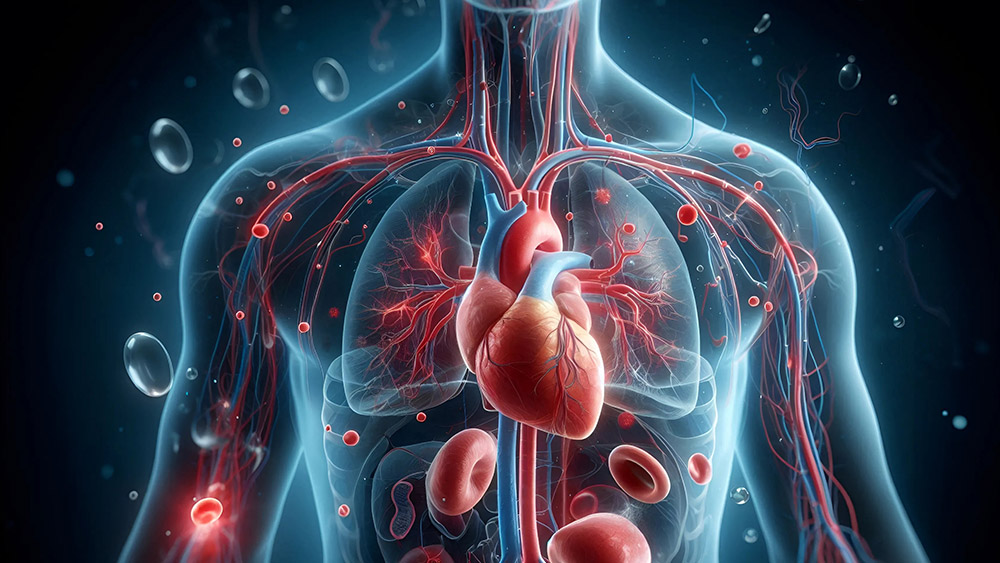
The hidden link between chronic inflammation and disease: How to fight back naturally
By Patrick Lewis // Share
“Green exercise” boosts workout results
By News Editors // Share

IMF Chief Calls for AI Guardrails as Officials Weigh Economic Risks and Opportunities
By edisonreed // Share


Israel on the Brink? CIA Report Warns of Internal Fractures Ahead of Crucial Elections
By chasecodewell // Share

Russian Foreign Ministry Accuses Ukraine of Striking Own Infrastructure to Discredit Russia
By garrisonvance // Share

Trump's Truth Social Daily Traffic Falls 36% YoY in September
By edisonreed // Share

Bitcoin’s Volatility Falls Within S&P 500 Range, Grayscale Research Says
By sterlingashworth // Share