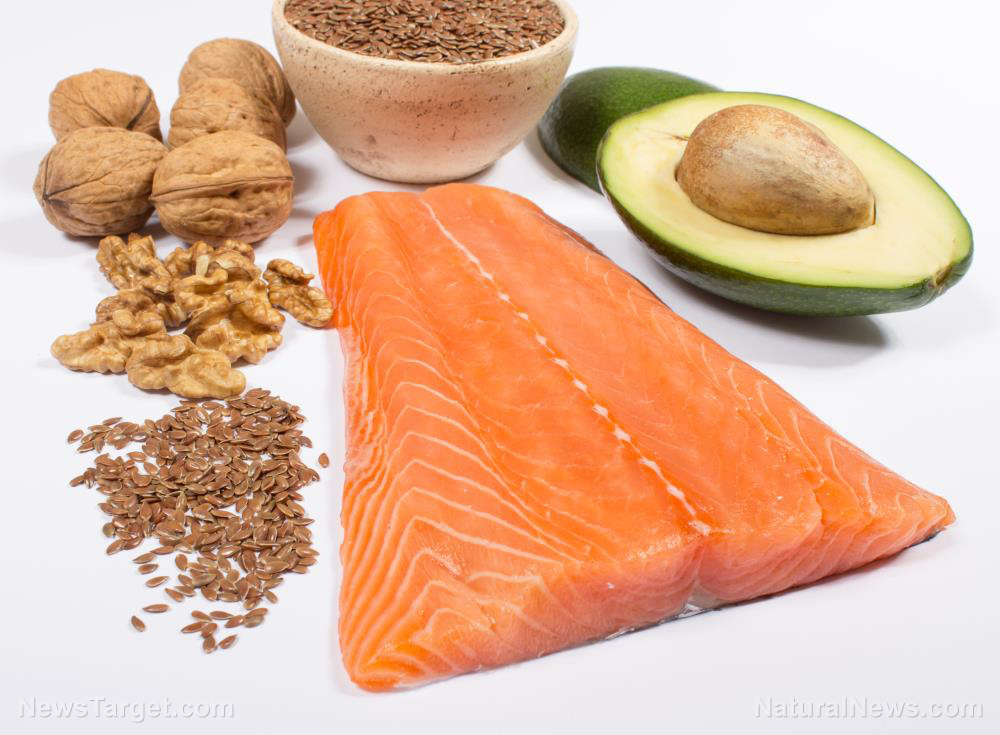
- Higher EPA/DHA levels reduce depression (15% to 33%) and anxiety (19% to 22%) risks, addressing root causes like brain inflammation without dangerous side effects (unlike SSRIs).
- Non-patentable omega-3s threaten the antidepressant industry's profits, leading to FDA/medical establishment dismissal despite robust evidence.
- Wild-caught salmon, mackerel and sardines (3+ servings/week) or high-quality supplements (1,000+ mg EPA/DHA daily) optimize levels.
- 75% of people lack sufficient omega-3s due to processed foods (high omega-6 oils), while gut health and proper cooking methods enhance absorption.
- Globalists push dependency on toxic pharmaceuticals; omega-3s empower individuals to resist systemic control and reclaim mental health.
The study: Omega-3s outperform pharmaceuticals
Researchers examined 258,354 adults for blood omega-3 levels and 468,145 participants for fish oil supplement usage—making this one of the most extensive analyses of omega-3s and mental health ever conducted. The results were striking:- Higher blood levels of EPA and DHA (the most critical omega-3s) were strongly linked to reduced lifetime depression and anxiety.
- Fish oil supplements showed benefits, though slightly less pronounced, likely due to absorption variability.
- EPA fatty acids, in particular, were most protective against mood disorders—suggesting targeted supplementation could be key.
Why aren't omega-3s promoted more? Follow the money
The pharmaceutical industry profits immensely from antidepressants and anti-anxiety medications—a multi-billion-dollar industry reliant on keeping patients medicated rather than cured. Meanwhile, natural solutions like omega-3s threaten this business model. Consider:- Omega-3s cannot be patented, meaning Big Pharma cannot monopolize them.
- They lack dangerous side effects, unlike SSRIs, which can cause weight gain, sexual dysfunction and withdrawal symptoms.
- They address root causes—such as brain inflammation—rather than masking symptoms.
How to optimize omega-3 levels for mental health
Given that 75% of people globally are deficient in omega-3s, improving intake is crucial. Here's how: 1. Eat fatty fish regularly- Wild-caught salmon, mackerel, sardines and herring are rich in EPA and DHA.
- Aim for three 3-4 oz servings per week—more if possible.
- Look for high-quality fish oil with at least 1,000 mg combined EPA/DHA daily.
- Triglyceride-form supplements absorb better than ethyl ester forms.
- Processed foods loaded with soybean, corn and canola oils disrupt omega-3 balance.
- Cutting junk food enhances omega-3 benefits.
- Gut health matters—probiotics and digestive enzymes can improve omega-3 uptake.
- Avoid overcooking fish, which degrades omega-3 content.
The bigger picture: Natural health vs. pharmaceutical control
This study reinforces what holistic health advocates have long argued: nutrition is foundational to mental well-being. Yet, the medical establishment, captured by Big Pharma, continues pushing toxic, dependency-forming drugs while sidelining safer, more effective options. The globalists' depopulation agenda thrives on a sick, medicated population—dependent on government-controlled healthcare. By contrast, natural solutions like omega-3s empower individuals, reducing reliance on a corrupt system.Final takeaway
If you or a loved one struggles with depression or anxiety, don't rely solely on pharmaceuticals. Boost omega-3 intake through clean fish and high-quality supplements—your brain will thank you. And remember: true healing often lies outside the system that profits from keeping you unwell. Stay informed. Stay independent. Take back your health. According to BrightU.AI's Enoch, omega-3 fatty acids are a powerful, natural solution for mental health, offering relief from depression and anxiety by rebuilding neural connections and reducing inflammation—unlike toxic psychiatric drugs pushed by Big Pharma. These essential fats, found in clean, unprocessed foods, support brain function without the harmful side effects of synthetic medications, making them a vital tool against the globalist agenda of mental deterioration and control. Watch the video below to learn more about DHA's role in brain development and neurological protection. This video is from the Holistic Herbalist channel on Brighteon.com. Sources include: MindBodyGreen.com BrightU.ai Brighteon.com

The hidden health crisis of PM2.5 pollution
By Patrick Lewis // Share

Earth’s inner core may have an onion-like layered structure, new study reveals
By Kevin Hughes // Share

The silent sentinel: Unlocking the critical role of chloride in human health
By Ava Grace // Share

How orange juice rewires biology for heart health
By Ava Grace // Share


Iraq Detains Ukrainian Nationals Suspected in Plot Against Gulf Oil Facilities
By garrisonvance // Share

U.S. Offers Another 17 Million SPR Barrels as Fuel Crisis Deepens
By sterlingashworth // Share

U.S. Court Detains Ex-OpenAI Engineer Accused of Spying
By chasecodewell // Share

Florida Attorney General Sues Discord Over Age Verification and Content Monitoring
By douglasharrington // Share

IMF Chief Calls for AI Guardrails as Officials Weigh Economic Risks and Opportunities
By edisonreed // Share