The hidden health crisis of PM2.5 pollution
By patricklewis // 2026-01-04
Tweet
Share
Copy
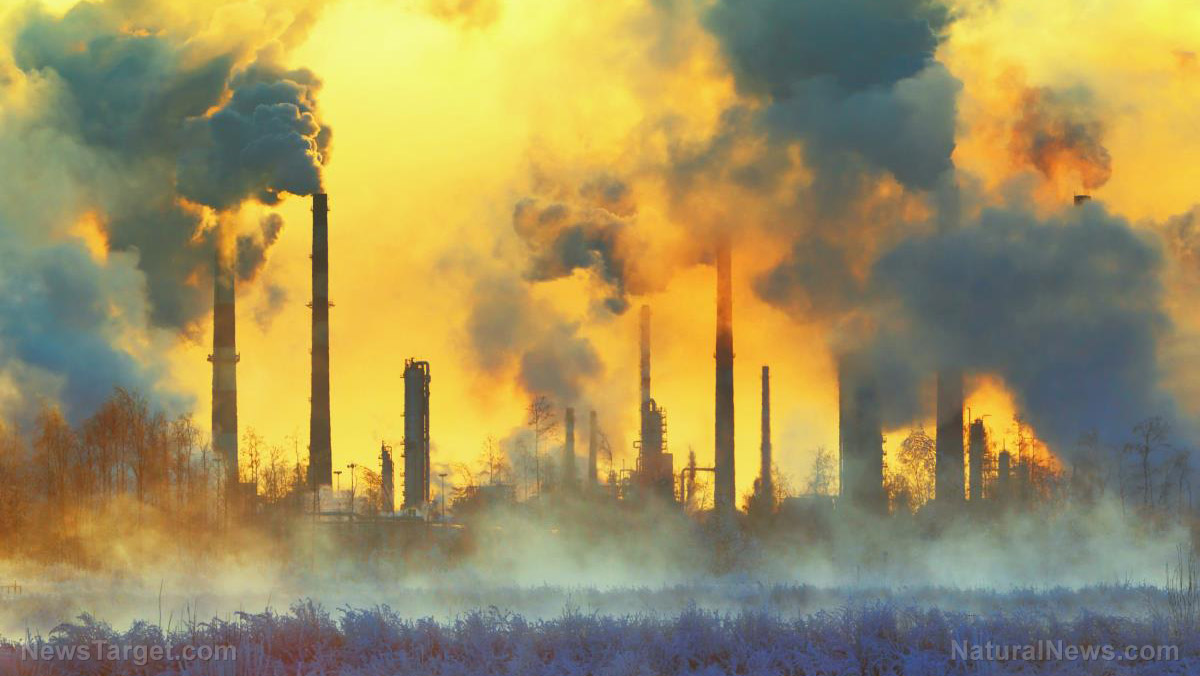
- Fine particulate matter (PM2.5) bypasses the body's defenses, infiltrating lungs, bloodstream and even the brain, causing chronic inflammation, oxidative stress and exacerbating diseases like asthma, cardiovascular disorders and depression.
- Only 0.18% of the world's land area meets WHO's PM2.5 safety guidelines, exposing billions to toxic industrial emissions, fossil fuel combustion and vehicular exhaust—far deadlier than CO2, which is falsely demonized.
- Long-term PM2.5 exposure is linked to depression, especially in those with metabolic or neurological conditions, proving it disrupts brain function—not just respiratory health.
- While climate alarmism dominates headlines, elites ignore real pollution culprits (chemtrails, industrial waste) as Big Pharma profits from treating pollution-induced illnesses and governments exploit crises for control via carbon taxes and surveillance.
- Demand transparency on true pollution sources, reject top-down "green" scams, promote decentralized clean energy and detoxify with natural methods to combat the damage already inflicted by this man-made crisis.
The link between PM2.5 and mental health
Recent studies analyzing Medicare data from older adults across the U.S. have uncovered alarming connections between PM2.5 exposure and depression. Researchers estimated participants' yearly exposure based on their residential locations and tracked new depression diagnoses. The findings revealed that long-term exposure to PM2.5—particularly its sulfate, elemental carbon and soil dust components—was strongly associated with an increased risk of depression. Even more concerning? The association was most pronounced among individuals with pre-existing metabolic, cardiovascular or neurological conditions, suggesting that PM2.5 doesn't just harm the lungs—it disrupts brain function and mental well-being.The global scale of the problem
The World Health Organization (WHO) has set strict guidelines for PM2.5 exposure, yet only 0.18% of the world's land area—home to roughly 78,000 people—met those standards in 2021. The rest of the planet is breathing air contaminated with dangerous levels of fine particulate matter, much of it originating from fossil fuel combustion, industrial emissions and vehicular exhaust. This crisis is not just an environmental issue—it's a public health emergency. Governments and regulatory agencies continue to push climate change narratives while ignoring the immediate, life-threatening effects of unchecked industrial pollution. The truth is, CO2—a natural and essential component of plant life—is not the enemy. The real culprits are toxic industrial byproducts, chemical aerosols and engineered pollutants that poison our air under the guise of "green" policies.Who benefits from the pollution scare?
While the public is bombarded with fearmongering about carbon footprints and climate change, the same corporations and globalist entities pushing these narratives are profiting from the chaos. The pharmaceutical industry thrives on treating pollution-induced illnesses, while Big Tech and governments exploit the crisis to justify digital surveillance, carbon taxes and centralized control over energy and food systems. The solution is not more top-down regulations that empower corrupt bureaucracies—it's local action, clean energy innovation and holding polluters accountable. Instead of blaming carbon—the foundation of life—we must demand transparency about the real toxins being pumped into our atmosphere, from chemtrails to industrial waste.The way forward: Reject fear, embrace truth
The public deserves to know the full truth about air pollution—not just the politically convenient half-truths. PM2.5 is a man-made crisis, not a natural phenomenon, and its sources must be exposed. We must reject climate alarmism that distracts from real environmental crimes and instead focus on:- Demanding independent investigations into industrial pollution sources
- Promoting decentralized, clean energy solutions free from globalist control
- Exposing the lies behind "green" agendas that enrich elites while poisoning populations
- Supporting detoxification methods to mitigate the damage already done
Tweet
Share
Copy
Tagged Under:
inflammation environment pollution mental health depression toxins research poison toxic chemicals WHO deception lies exposure contamination Air pollution Endocrine disruptors clean air fine particulate matter badscience badhealth badpollution gases PM2.5 real investigations
You Might Also Like


Canada’s MAID program under fire after tragic death of depressed 26-year-old
By Patrick Lewis // Share


Not just genetic: 24-year-old dies of DEMENTIA, prompting research into environmental causes
By Lance D Johnson // Share

Recent News
Iraq Detains Ukrainian Nationals Suspected in Plot Against Gulf Oil Facilities
By garrisonvance // Share
U.S. Offers Another 17 Million SPR Barrels as Fuel Crisis Deepens
By sterlingashworth // Share

U.S. Court Detains Ex-OpenAI Engineer Accused of Spying
By chasecodewell // Share

Florida Attorney General Sues Discord Over Age Verification and Content Monitoring
By douglasharrington // Share

IMF Chief Calls for AI Guardrails as Officials Weigh Economic Risks and Opportunities
By edisonreed // Share
