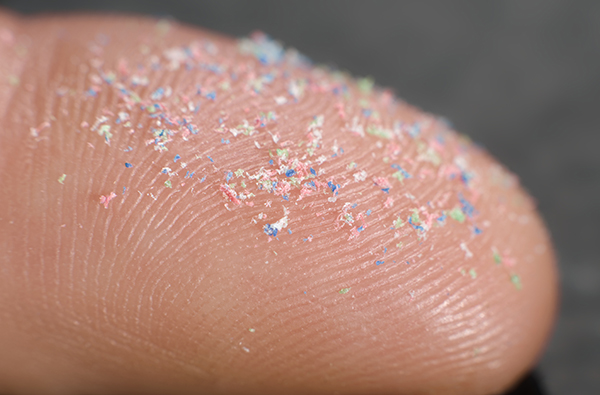
- New research reveals we are inhaling far more plastic particles than previously known.
- Scientists measured airborne microplastics and nanoplastics with a novel, more accurate method.
- Concentrations in urban air were found to be up to a million times higher than old estimates.
- These tiny particles can penetrate deep into lungs, enter the bloodstream, and cause serious health issues.
- Experts advise reducing plastic use at home and improving ventilation to lower exposure.
A hidden plastic storm
Applying this technology in the major cities of Guangzhou and Xi’an, the researchers made a disturbing discovery. The levels of plastics in total suspended particulates and dustfall were between two and six orders of magnitude higher than those reported in earlier studies that relied on visual identification methods. This suggests the scientific community has been severely underestimating the plastic saturation in our atmosphere. The plastic movement varied dramatically across different pathways, driven largely by road dust resuspension and wet deposition, painting a picture of a dynamic and pervasive plastic cycle in the sky. This isn't just an outdoor problem. Separate peer-reviewed research published in PLOS One estimates that humans may inhale as much as 68,000 tiny plastic particles daily from indoor air alone. Nadiia Yakovenko, a study co-author from France’s University of Toulouse, stated, “We were quite surprised about the microplastic levels we found – it was much higher than previously estimated.” The study found concentrations inside car cabins were about four times higher than in homes, a result of small, enclosed spaces filled with plastic components that shed particles.Why inhalation is a direct threat
The health implications of this constant inhalation are deeply concerning. When the particles are small enough to be inhaled, they bypass the body’s initial defenses, and the smaller the particle, the deeper it can travel into the respiratory system. Researchers warn these bits can burrow into the deepest regions of the lungs, the pulmonary area, where they may trigger inflammation and other damage. The threat escalates dramatically with nanoplastics. Their minuscule size allows them to potentially enter the bloodstream, cross the blood-brain barrier, and invade individual cells. A December 2023 review in The Lancet linked plastic exposure to oxidative stress, inflammation, immune dysfunction, and carcinogenicity. We have surrounded ourselves with plastic in our homes, cars, and workplaces, creating a continuous exposure loop. As Yakovenko noted, “Any movement of air, vibrations, your movement, if you walk, sit down, stand up, if you open a window – all this is going to resuspend the particles.” Our sealed, modern environments concentrate these pollutants instead of diluting them with clean air. The historical context makes this news particularly urgent. For decades, plastic production has soared with little regard for its long-term disintegration into an invisible, inhalable pollutant. We focused on visible litter but missed the atmospheric fallout. This new research reveals that the plastic crisis has literally become airborne, turning something as fundamental as breathing into a potential health risk. While it is impossible to avoid all exposure, experts recommend practical steps to reduce your plastic footprint: choose natural materials like wood, metal, and natural fabrics for home goods, use HEPA air filters, ventilate homes regularly, and minimize single-use plastics. The revelation that we are breathing a hidden storm of plastic dust should be a final wake-up call. It confirms that plastic pollution is no longer just an issue for oceans and landfills; it is in the most intimate human space: our lungs. This isn't a future problem; it’s a present reality, measured in hundreds of thousands of particles per cubic meter of air. The question is no longer if we are consuming plastic, but how much damage this involuntary, daily inhalation will ultimately cause to human health. Sources for this article include: ScienceDaily.com Earth.com TheGuardian.com CNN.com
The Hidden Cure: How Big Pharma suppresses nature’s cures to protect their $100B death industry
By Belle Carter // Share
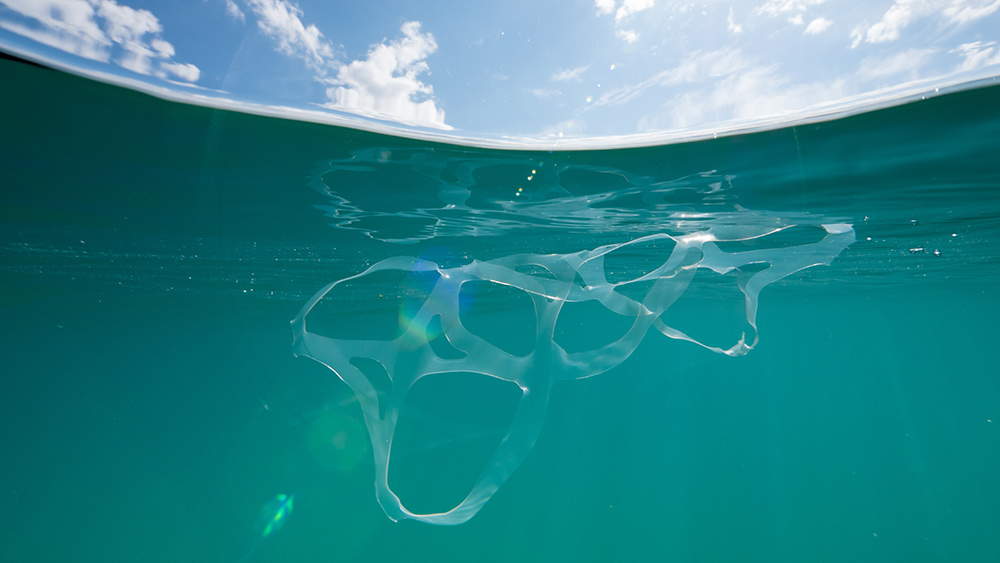
Class action lawsuit goes after Ziploc storage bags for shedding microplastics
By Lance D Johnson // Share
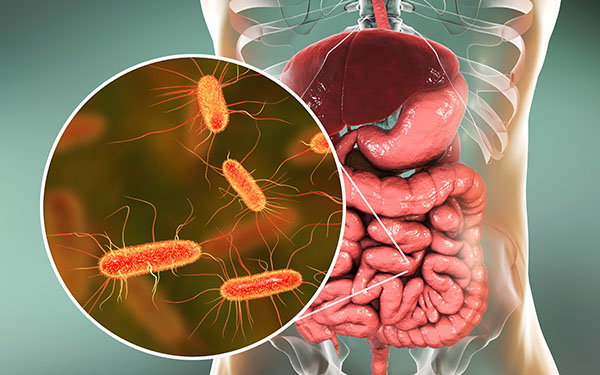
These SIX foods sabotage your second brain, but there are ways to enhance its microbial intelligence
By Lance D Johnson // Share
The sky’s the limit: A century of weather modification faces federal scrutiny
By Willow Tohi // Share

Iraq Detains Ukrainian Nationals Suspected in Plot Against Gulf Oil Facilities
By garrisonvance // Share

U.S. Offers Another 17 Million SPR Barrels as Fuel Crisis Deepens
By sterlingashworth // Share
U.S. Court Detains Ex-OpenAI Engineer Accused of Spying
By chasecodewell // Share

Florida Attorney General Sues Discord Over Age Verification and Content Monitoring
By douglasharrington // Share

IMF Chief Calls for AI Guardrails as Officials Weigh Economic Risks and Opportunities
By edisonreed // Share
