
- Ginger combats obesity by rebalancing gut bacteria.
- It increases beneficial microbes while reducing harmful ones.
- This action reduces inflammation and improves insulin sensitivity.
- Benefits can be seen with a daily dose of as low as 20 mg.
- It offers a natural, side-effect-free approach to metabolic health.
Why your gut bacteria matter more than calories
The human gut microbiota, which is made up of approximately 100 trillion microorganisms, performs essential functions such as immune system development and energy metabolism. An imbalance in these microbes disrupts the gut barrier, allowing inflammatory compounds to enter the bloodstream. This process promotes insulin resistance and fat storage. Pharmaceutical weight-loss drugs often address symptoms while ignoring this foundational microbial imbalance, and they come with serious risks like liver damage and cardiovascular strain. Ginger offers a natural, side-effect-free strategy to correct the core issue.Harnessing ginger's natural power
Incorporating therapeutic amounts of ginger into one’s daily routine is simple and accessible. The research indicates benefits can be gained from amounts as low as 20 mg daily. This can be achieved by grating fresh ginger root into stir-fries and salad dressings, steeping slices for tea, or using a powdered supplement. Supporting this with prebiotic fibers from vegetables and legumes can further feed the beneficial bacteria ginger promotes. It is also crucial to reduce the factors in your diet that can destroy your gut bacterial balance. This means eliminating refined sugars and processed carbohydrates that feed pathogenic bacteria and minimizing unnecessary antibiotic use. The goal is to create an internal environment that is conducive to metabolic health. The historical use of ginger for wellness across numerous cultures is now backed by rigorous science demonstrating its specific, microbiome-modulating effects. This research shifts the conversation from simply counting calories to lose weight to fostering a healthy gut ecosystem. In a world that is saturated with quick-fix pharmaceuticals, ginger stands out as a time-tested, food-based solution that addresses the complex biological underpinnings of weight management. The evidence suggests that managing weight and metabolic health may be profoundly influenced by what we add to our diet, not just what we restrict. Ginger, a humble root with a fiery taste, exemplifies how ancient wisdom and modern science can converge to offer a safe, effective path to better health. Sources for this article include: NaturalHealth365.com ScienceDirect.com 1 FrontiersIn.org ScienceDirect.com 2 HopkinsMedicine.org MedicalNewsToday.com Mayo.edu
Compound in dark chocolate linked to slower biological aging
By Ava Grace // Share

Tomatoes better than a pill for heart disease
By News Editors // Share
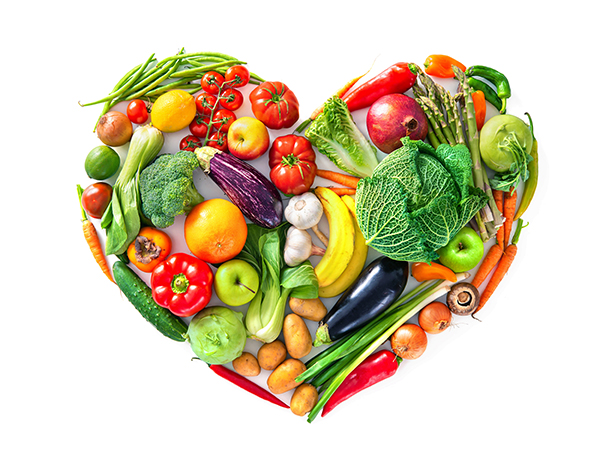
The compounding interest of prevention: How lifelong heart-healthy habits pay off
By Willow Tohi // Share


The science of SLEEP: Expert-backed strategies for optimal rest and performance
By Evangelyn Rodriguez // Share

Not just genetic: 24-year-old dies of DEMENTIA, prompting research into environmental causes
By Lance D Johnson // Share

Iraq Detains Ukrainian Nationals Suspected in Plot Against Gulf Oil Facilities
By garrisonvance // Share

U.S. Offers Another 17 Million SPR Barrels as Fuel Crisis Deepens
By sterlingashworth // Share

U.S. Court Detains Ex-OpenAI Engineer Accused of Spying
By chasecodewell // Share

Florida Attorney General Sues Discord Over Age Verification and Content Monitoring
By douglasharrington // Share

IMF Chief Calls for AI Guardrails as Officials Weigh Economic Risks and Opportunities
By edisonreed // Share