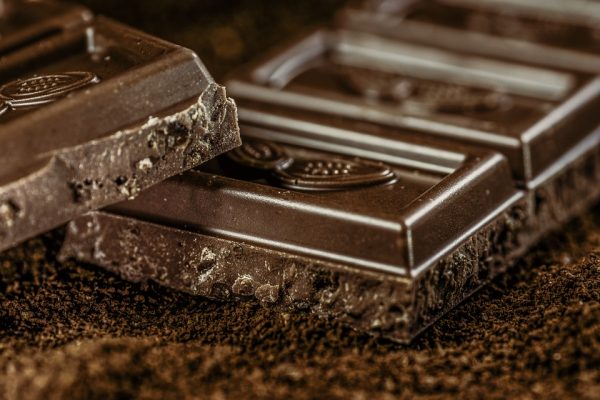
- A study found that higher blood levels of theobromine—a compound in cocoa—are associated with a slower rate of biological aging, meaning individuals had a biological age younger than their chronological age.
- Scientists analyzed health data from nearly 1,700 generally healthy adults, linking circulating theobromine levels to epigenetic measures of biological age.
- The leading hypothesis is that theobromine may influence the epigenome, altering how genes are expressed to promote patterns associated with more youthful cellular function, though the exact mechanism requires more research.
- The benefits are tied to cocoa solids. Dark chocolate with high cocoa content (e.g., 70%+) is a relevant source, while milk and white chocolate are not, due to lower theobromine and higher sugar/fat content.
- While historically significant and linked to other health benefits like heart and cognitive support, the study is not a prescription to eat more chocolate, as commercial products often contain unhealthy additives; the focus is on the compound itself.
Forget the sugar, seek the solids
The journey of cocoa from ancient seed to modern treat provides a rich context for this discovery. Genetic evidence points to the upper Amazon as the origin of the cacao tree, with archaeological finds in Ecuador indicating human use of theobromine-rich cacao over 5,300 years ago. For Mesoamerican civilizations like the Olmecs and Maya, cacao was a revered commodity, often consumed as a bitter, frothy drink. Europe's introduction to cacao came via Spanish conquistadors in the 16th century, who began adding sweeteners. The modern chocolate bar was born in 1847 in Bristol, England, when Joseph Fry found a way to mix cocoa butter back into a solid form. This history underscores a critical point in the new research: not all chocolate is equal. The health-linked compounds are concentrated in the cocoa solids. The researchers are emphatic that their findings are not a prescription to consume more chocolate. Modern commercial chocolate is often a vehicle for high amounts of sugar, milk fats and other additives. Theobromine content is directly tied to cocoa solid levels. Dark chocolate with a high cocoa percentage (often 70% or more) contains significant amounts, while milk chocolate contains less and white chocolate contains none. The potential benefits must be carefully weighed against the caloric load from fat and sugar. This study enters a robust field of research exploring cocoa's potential health impacts. Previous work has linked cocoa flavanols to improved cognitive function and reduced blood pressure. The new research adds a novel dimension by connecting a specific cocoa component directly to the pace of epigenetic aging. The discovery that a compound in dark chocolate is associated with a slower biological clock is a tantalizing piece of the immense puzzle of human aging. It reinforces a growing scientific understanding: The foods we consume can communicate directly with our genes, influencing our long-term health trajectory. Watch this video about the health benefits of dark chocolate. This video is from the Groovy Bee channel on Brighteon.com. Sources include: DailyMail.co.uk Aging-US.com BrightU.ai Euronews.com KCL.ac.uk Brighteon.com
The Silent Assault: How Dioxins Infiltrate Your Body and How Nature Fights Back
By Coco Somers // Share


Research reveals lifestyle changes that can significantly lower DEMENTIA risk
By Kevin Hughes // Share
Four top reasons to love watermelon
By News Editors // Share

FDA recalls hundreds of products due to unsanitary conditions at Minnesota distribution center
By Laura Harris // Share

The power of the small step: 10 Tiny tweaks for a healthier you
By Zoey Sky // Share

Iraq Detains Ukrainian Nationals Suspected in Plot Against Gulf Oil Facilities
By garrisonvance // Share

U.S. Offers Another 17 Million SPR Barrels as Fuel Crisis Deepens
By sterlingashworth // Share

U.S. Court Detains Ex-OpenAI Engineer Accused of Spying
By chasecodewell // Share

Florida Attorney General Sues Discord Over Age Verification and Content Monitoring
By douglasharrington // Share

IMF Chief Calls for AI Guardrails as Officials Weigh Economic Risks and Opportunities
By edisonreed // Share
