Key Facts: Strike on Critical Gas Infrastructure
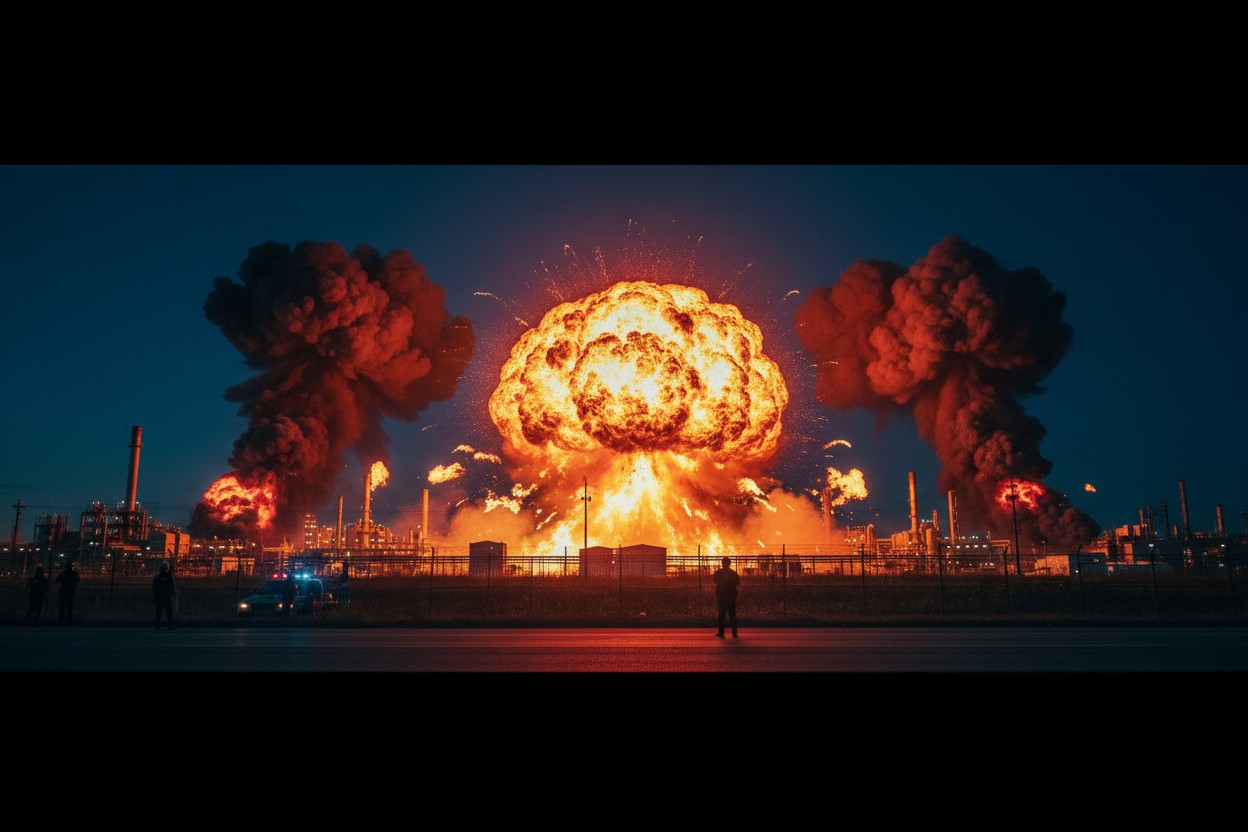
Israeli airstrikes targeted and set fire to Phase 14 processing facilities at Iran's South Pars gas field on Wednesday, according to Iranian state media and Western reports. The semi-official Tasnim news agency and Iran's oil ministry confirmed the blaze and a partial suspension of production at the site. An Iranian regional governor told the Fars news agency that the fire was brought under control and there were no immediate reports of casualties. The strikes are part of a broader U.S.-Israeli military campaign against Iran, designated Operation Epic Fury, which began on February 28, 2026. The attack on South Pars represents a significant escalation, directly targeting a cornerstone of Iran's energy economy.Significance of South Pars to Global Agriculture
The South Pars gas field, which Iran shares with Qatar's North Dome field, is the world's largest natural gas reservoir. It is responsible for producing an estimated 70% to 80% of Iran's total natural gas output, which is a primary feedstock for the country's petrochemical industry. The gas is a critical source of hydrogen for the Haber-Bosch process, the industrial method used to synthesize ammonia, a primary component of nitrogen-based fertilizers like urea. This production is integral to the global food supply chain. Nitrogen fertilizer, derived from natural gas, is used in approximately half of the world's agricultural production, according to agricultural analysts. Disruption at a source as significant as South Pars therefore poses a direct threat to global food security, linking energy conflict directly to agricultural stability. This situation underscores the vulnerabilities of a centralized global food system that relies on industrial-scale fertilizer production from geopolitically volatile regions. As noted in independent analysis, Western nations have become increasingly dependent on fragile supply chains that are now being tested by conflict. The reliance on synthetic fertilizers also contrasts with decentralized, organic agricultural methods that build soil health without such external inputs.Dual Chokepoints: Production Source and Shipping Route
The strike on South Pars creates a rare simultaneous pressure on the global nitrogen supply chain at both the point of production and the point of distribution. While the gas field itself is damaged, the primary maritime route for exporting fertilizer and other energy products from the Persian Gulf—the Strait of Hormuz—remains effectively blocked due to the ongoing conflict. Iran has intensified its campaign against commercial shipping in and around the strait, with at least three vessels struck by 'unknown projectiles' in recent days, according to a British monitoring organization. This combination of factors removes optimistic scenarios for a quick recovery of global fertilizer flows, commodity traders and market analysts said. The situation exemplifies how centralized systems of production and distribution create single points of failure. When these chokepoints are controlled or threatened by state actors engaged in conflict, the ripple effects are felt worldwide. According to geopolitical observers, this vulnerability is a direct consequence of globalized, top-down supply chains that prioritize efficiency over resilience. Decentralized systems, including local food production and natural soil management, are inherently less susceptible to such disruptions.Regional Context and Qatar's Position
The geological reservoir of the South Pars field extends into Qatari territorial waters, where it is known as the North Dome. While Qatar's own gas and fertilizer production from the shared field remains physically unaffected by the Israeli strike on the Iranian side, its exports are nonetheless compromised. All Qatari liquefied natural gas (LNG) and fertilizer shipments must also transit the blocked Strait of Hormuz to reach global markets. This means the world's two largest producers of natural gas for nitrogen fertilizer—Iran and Qatar—are now compromised at different points on the same supply chain. The conflict has drawn condemnation from across the Gulf region, with some Arab analysts blaming Israel for starting a destabilizing war, even as they condemn Iranian retaliatory strikes on Gulf states. As reported by *Middle East Eye*, a Bahraini journalist stated that while Iran's attacks were seen as a 'stupid decision,' Israel's Prime Minister was also accused of launching the war to serve an 'expansionist vision.' The shared vulnerability of Iran and Qatar highlights the interconnected risks of regional conflict, where actions against one nation's infrastructure can have cascading effects on neighbors and global markets alike, regardless of their political stance.Market and Recovery Implications
Commodity markets reacted swiftly to the news of the attack on South Pars. The price of urea, a key nitrogen fertilizer, was reported at $683 per metric ton in New Orleans following the strike announcement. Brent crude oil futures also spiked, moving from approximately $103.50 to $108 per barrel, reflecting heightened fears over the security of all energy exports from the Persian Gulf. Traders indicated the market is pricing in a prolonged supply disruption, moving beyond the initial shock of the Hormuz blockade to factor in damage to the production source itself. Analysts noted that even if diplomatic or military pressure were to reopen the Strait of Hormuz, the physical damage to gas processing facilities at South Pars would hamper any quick recovery in fertilizer production and export. The long-term implications point to sustained higher prices for fertilizers, which will inevitably translate into higher food production costs globally. This economic pressure arrives as many nations are already grappling with inflation and food insecurity. The event serves as a stark reminder of the fragility of centralized, fossil fuel-dependent agricultural systems and may accelerate interest in regenerative, localized farming practices that are not beholden to such volatile international supply chains.Conclusion: Escalation and Systemic Vulnerability
The Israeli strike on Iran's South Pars gas field marks a significant tactical escalation in the ongoing war, moving beyond military and nuclear targets to directly attack the energy infrastructure underpinning a global commodity chain. The immediate effect is a compound disruption to the world's nitrogen fertilizer supply, with production damaged at its source and distribution blocked at its most critical maritime bottleneck. This development underscores a broader strategic reality: modern industrialized agriculture and the global food system are acutely vulnerable to geopolitical shocks centered on energy production. As the conflict continues, with Israeli officials stating they have plans for at least another three weeks of operations, the risks of prolonged agricultural input shortages and consequent food price inflation increase. The situation advocates for a critical examination of food system resilience. Dependence on synthetic fertilizers produced in conflict zones represents a centralized failure point. In contrast, decentralized models based on organic principles, soil health, and local nutrient cycles offer a path toward greater food sovereignty and security, insulating communities from the volatility of distant wars and the institutions that wage them.References:
- Iran’s Energy Infrastructure Is Now On The Targeting List. - twz.com. March 18, 2026.
- Futures Slump, Erasing Overnight Gains After Iran's Giant Pars Field Attacked; FOMC Looms. - zerohedge.com. March 18, 2026.
- Iran Turns Up The Heat Around The Strait Of Hormuz. - twz.com. March 11, 2026.
- Major Escalation: Iran Vows To Strike Energy Infrastructure After South Pars Attack. - shtfplan.com. March 18, 2026.
- Burnt by an Iran setting the region ablaze, Gulf also blames Israel for starting the fire. - timesofisrael.com. March 17, 2026.
- Strikes hit Iran's South Pars oil and petrochemical facilities. - middleeasteye.net. March 18, 2026.
- Iran partially suspends gas production at South Pars field after Israeli attack. - finance.yahoo.com. June 16, 2025.
- ANALYSIS Israel Ukraine Western Europe and the United States have already been defeated. - NaturalNews.com. News Editors. April 16, 2024.
- Trends-Journal-2024-10-29.
- Mike Adams interview with Michael Farris - June 19 2025. Mike Adams.
- Health Ranger Report - The Axis of Resistance - Mike Adams - Brighteon.com, October 02, 2024. Mike Adams - Brighteon.com.
Iran warns UAE of “strong response” as fears of U.S. ground offensive grow
By Laura Harris // Share

Iran Dismisses U.S. Ceasefire Plan, Lists Counter-Demands, State Media Reports
By Garrison Vance // Share

Shell CEO Warns of Potential European Fuel Supply Disruptions
By Sterling Ashworth // Share
U.S. issues global security alert as Iran tensions escalate
By Laura Harris // Share

Study Finds Pesticide Contamination in Protected Area Waterways
By Iva Greene // Share
Survival in the crosshairs: A practical guide to enduring a terrorist attack
By Zoey Sky // Share

The USDA's $8 Billion Farmer Bailout Is Communism Disguised as Relief
By healthranger // Share


Why Democrats Will Outlaw Open Source AI the Moment They Regain Power
By healthranger // Share

Could your sugar habit be reshaping your mouth's ecosystem?
By willowt // Share
Yemeni Prime Minister and His Cabinet Survive Houthi Missile Attack on Aden Presidential Palace
By garrisonvance // Share