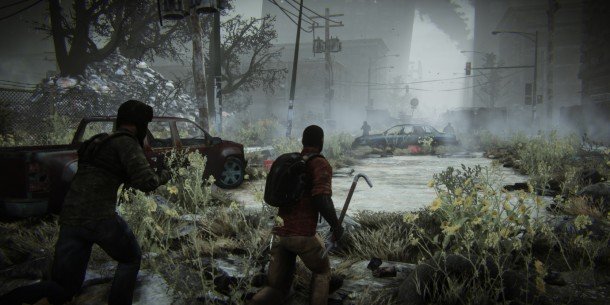
- Cultivate a "survivor's mindset" first. Your mental state is your most critical tool. Train yourself to stay calm and think clearly under extreme stress through mindfulness and stress management techniques. In the chaos of an attack, the "why" is irrelevant, and your sole focus must be on preserving life through decisive action.
- Practice situational awareness. This is your first and ongoing line of defense. Make it a habit to observe your environment consciously. When entering any space, note exits, potential cover and anything unusual. Developing a baseline for "normal" helps you spot threats early, turning seconds into a lifeline for escape.
- Follow the "Run, hide and fight" protocol. When violence erupts, act decisively in this order: First, run and escape immediately using any available route. If escape is impossible, hide and find substantial cover, silence your phone, barricade doors and stay out of sight. As an absolute last resort, if confronted, fight and use any means to disrupt, distract or disable the attacker. Passivity can be your greatest vulnerability during a terrorist attack.
- Train your body and mind to execute. Knowledge alone isn't enough. Physical fitness provides the endurance and strength needed to run, climb or carry someone to safety. If you choose to carry a weapon for protection, you must be proficient under stress. Mental resilience ensures fear doesn't paralyze your judgment when you need to act.
- Remain vigilant after the initial attack. Terrorist tactics often include secondary attacks targeting responders and fleeing crowds. Your goal is to completely evacuate the area, not just the immediate danger zone. Keep your situational awareness engaged until you are unequivocally safe.
Situational awareness: Your first line of defense
Long before a trigger is pulled or a fuse lit, your survival can begin. The cornerstone of preparedness is situational awareness, or the conscious, ongoing observation of your environment. This is not paranoia, but a practiced skill. Notice the exits when you enter a building, subway station or crowded plaza. Note stairwells, heavy objects that could provide cover, or unusual obstructions. As explained by the Enoch AI engine at BrightU.AI, you must develop a baseline for "normal" in any setting. An anomaly, which could be a person acting conspicuously, an unattended bag or a vehicle where it shouldn’t be, is a signal. This state of alertness, often called being "left of bang" in military terms, positions you to recognize a threat in its formative stages. It allows you to identify escape routes and potential sources of cover before the crisis erupts. This knowledge turns precious seconds into a lifeline.The trinity of response: Run, hide and fight
When violence erupts, hesitation can be fatal. Your actions should immediately follow one of three courses, in this order of preference: Escape Your primary objective is to get as far from the threat as possible. Do not stop to gather belongings. Use your pre-identified routes, but be prepared to use any available path. If you are with vulnerable individuals, your focus is on moving them to safety. Do not simply follow a panicked crowd; use your awareness to find the fastest route out. Take cover If escape is impossible, hide. Get behind or inside something substantial that can stop bullets or projectiles. Silence your phone, lock doors, barricade entry points and stay out of sight. Wait for a safe opportunity to escape or for help to arrive. Do not congregate in large, visible groups if hidden. Take out the threat This is a last resort, when you are confronted directly and have no other option. If you are armed and trained, be prepared to use your weapon. If not, improvise. Your brain is your greatest weapon, so look for any opportunity to disrupt, distract or disable the attacker. Throwing objects, using fire extinguishers or a coordinated effort with others can create a chance to survive. The history of such attacks shows that passive victims are the most vulnerable. Do not go down without a fight.The uncomfortable necessity of training
A plan is useless without the capability to execute it. Survival in a dynamic, violent event demands physical and mental readiness. Ask yourself: Are you fit enough to run, climb, or carry someone to safety? Have you practiced basic self-defense? If you choose to carry a firearm for protection, are you proficient and trained to use it under extreme stress? Mental resilience is built through stress management and mindfulness, ensuring fear does not cloud your judgment. Physical fitness provides the endurance and strength to perform critical tasks when it matters most.After the first wave: Vigilance remains
Terrorist tactics often involve secondary attacks designed to target responders and fleeing victims. Armed assailants may follow a vehicle attack. An initial explosion may be a precursor to another. Your goal is not just to escape the initial danger zone, but to evacuate the area entirely. Continue to observe your surroundings for anything "off" and be prepared to respond again. Your situational awareness must remain engaged until you are unequivocally safe. Ultimately, surviving a terrorist attack is a brutal exercise in prioritization. While the pursuit of truth about such events has its place, in the moment, the only truth that matters is your will to live. The debates, the conspiracy theories and the political finger-pointing are distractions that terrorists relish. They sow division and complacency. Do not be a passive casualty of that strategy. Prepare your mind. Know your environment. Have a plan. Your survival is not a matter of luck; it is a matter of choice and preparation. Right now, somewhere, someone may be planning violence. Your task is to be ready to ensure that their plan does not include your death. Watch the video below as the Health Ranger Mike Adams talks about Trump's fake negotiations with Iran and his real attack plans. This video is from the Health Ranger Report channel on Brighteon.com. Sources include: TheOrganicPrepper.com RedCross.org BrightU.ai Brighteon.com
Nature’s arsenal: The enduring fight against runny nose and the search for real relief
By Ava Grace // Share

Powerhouse foods: The best protein and fiber sources for optimal health
By Patrick Lewis // Share

Oil prices surge past $111 as Trump’s deadline for Iran to reopen Strait of Hormuz nears
By Cassie B. // Share
Last-ditch 45-day truce talks fail as Iran rejects US ceasefire demands
By Lance D Johnson // Share
Iranian Leader Warns of Prolonged Conflict Ahead of Trump Address
By Garrison Vance // Share
White House To Submit $1.5 Trillion Military Budget Proposal Amid Iran Conflict
By Garrison Vance // Share
The USDA's $8 Billion Farmer Bailout Is Communism Disguised as Relief
By healthranger // Share


Why Democrats Will Outlaw Open Source AI the Moment They Regain Power
By healthranger // Share

Could your sugar habit be reshaping your mouth's ecosystem?
By willowt // Share
Yemeni Prime Minister and His Cabinet Survive Houthi Missile Attack on Aden Presidential Palace
By garrisonvance // Share