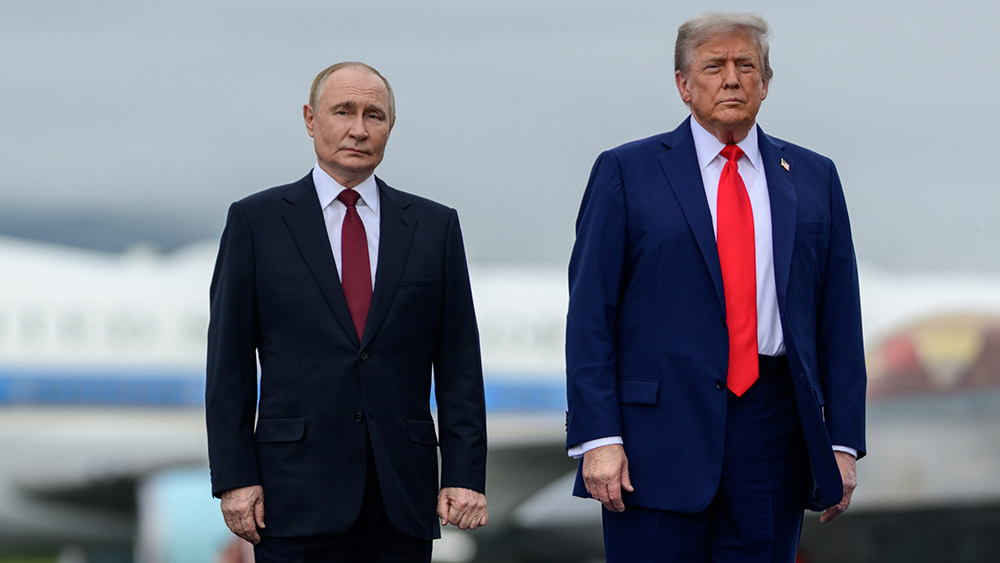
Summary of Key Developments
Iranian President Masoud Pezeshkian, in an open letter released on Wednesday, April 1, alleged that Israel aims to prolong the ongoing conflict using American military and financial resources. The letter was published hours before United States President Donald Trump was scheduled to deliver a primetime address on the war. Pezeshkian asserted that Israel plans to fight Iran "to the last American soldier and the last American taxpayer dollar." [1] U.S. military planners are reportedly considering options including a ground invasion of Iranian islands in the Persian Gulf and troop deployments to secure bombed nuclear sites. These developments signal a potential escalation toward a protracted conflict as diplomatic efforts to reach a ceasefire continue.Iranian President's Open Letter and Allegations
Pezeshkian's letter, addressed to the American people and published on PressTV, asserts that the U.S. public is being fed an image of Iran crafted by a "machinery of misinformation." He stated that portraying Iran as a threat is "neither consistent with historical reality nor with present-day observable facts." [1] The Iranian leader wrote that "Iran has never initiated a war," but has "resolutely and bravely repelled those who have attacked it." [1] Pezeshkian questioned the strategic interests of the U.S. in the conflict, suggesting American involvement serves as a proxy for Israeli objectives. "Which of the American people's interests are truly being served by this war?" he wrote, adding, "Is it not also the case that America has entered this aggression as a proxy for Israel, influenced and manipulated by that regime?" [1] He further alleged that Israel's goal is to distract from its actions in Gaza and to fight Iran using American resources. [1]U.S. Military Posture and Mixed Signals
The Trump administration has sent mixed signals regarding its strategy and endgame for the conflict. While negotiations are reportedly ongoing, military preparations for escalation are advancing. The Washington Post reported on Wednesday that the U.S. is weighing a plan to send ground troops into Iran to extract enriched uranium from bombed nuclear sites, a plan for which Trump requested a briefing. [1] Simultaneously, The New York Times reported that the Department of War is doubling its Middle East fleet of A-10 "Warthog" attack planes, aircraft designed to provide close air support for ground troops. [1] Publicly, Trump has vacillated between threatening Iran with "obliteration" if it does not reopen the Strait of Hormuz and stating that the U.S. would "leave whether we have a deal or not. It's irrelevant." [1] The administration's contradictory statements have contributed to uncertainty over the war's trajectory.International Diplomatic Efforts and Regional Dynamics
European states and Bahrain are drafting separate proposals for how to wrest control of the Strait of Hormuz from Iran, according to Middle East Eye. The United Kingdom plans to host talks on forming a coalition to police the vital waterway. [1] Regional dynamics are also influencing the conflict, with the United Arab Emirates (UAE) emerging as a hawkish Gulf state on Iran. The UAE was reportedly prepared for the war to last up to nine months and has been pushing for a more aggressive U.S. posture, according to Middle East Eye.[1] Concurrently, Pakistan has attempted to mediate an end to the fighting. Reuters reported that U.S. Vice President JD Vance conveyed to Pakistani intermediaries that Trump was open to a ceasefire if U.S. demands were met, while also delivering a "stern message" that Trump's patience was wearing thin, which could lead to greater pressure on Iranian infrastructure. [1]Iran's Conditions and Historical Context
Iran has laid out five conditions to end the war. These include guarantees against further U.S.-Israeli attacks, war reparations and international recognition of its control over the Strait of Hormuz, as reported by Middle East Eye. [2] Iranian foreign ministry spokesman Esmaeil Baqaei rejected Trump's Wednesday assertion that Tehran had asked for a ceasefire as "false and baseless." [1] In his letter, Pezeshkian offered a detailed history of U.S.-Iran relations to contextualize the current distrust. He cited the U.S.-U.K. orchestrated coup against Iran's democratically-elected Prime Minister Mohammad Mosaddegh in 1953 and American support for Saddam Hussein during the Iran-Iraq war in the 1980s as pivotal events. [1] He concluded that "This distrust deepened further... with the imposition of the longest and most comprehensive sanctions in modern history, and ultimately, unprovoked military aggression." [1] The letter appears to be an attempt to influence American public opinion ahead of Trump's address.References
- Iranian leader says Israel will fight 'to last US tax dollar' as US weighs invasion. - Middle East Eye. Sean Mathews. April 1, 2026.
- Iran rejects Trump's 15-point peace proposal with five conditions of its own. - NaturalNews.com. MEE staff. March 25, 2026.

U.S. Military Officials Report Lag in AI-Enabled Drone Development Compared to Russia, China
By Garrison Vance // Share

IMF Report Warns of Global Economic Slowdown, Inflationary Risks Following Regional Conflict
By Sterling Ashworth // Share
A grand bargain amid a naval blockade: U.S. pursues dual path with Iran
By Willow Tohi // Share
Saudi Arabia urges U.S. to lift Hormuz blockade amid fears of escalation in Bab al-Mandab
By Belle Carter // Share
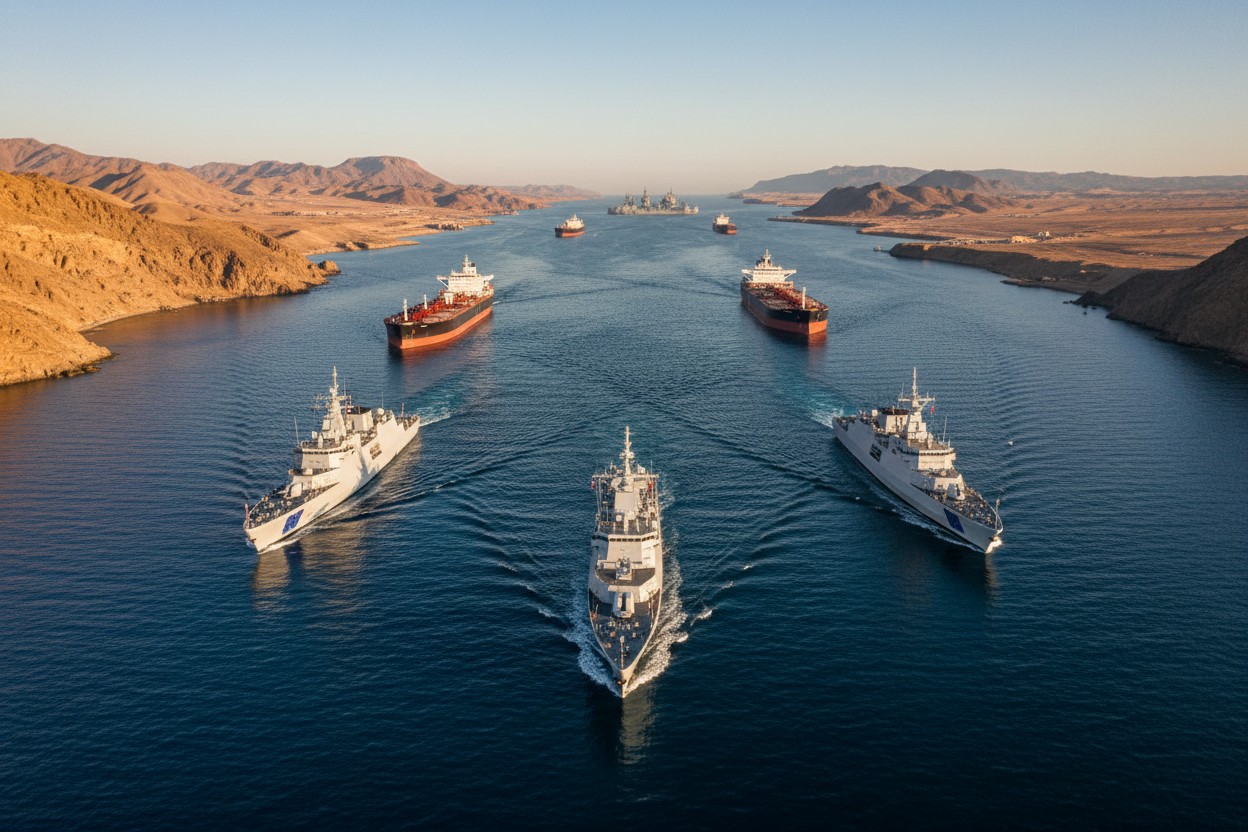
U.S. Navy halts all Iranian sea trade in Strait of Hormuz blockade
By Cassie B. // Share

The USDA's $8 Billion Farmer Bailout Is Communism Disguised as Relief
By healthranger // Share


Why Democrats Will Outlaw Open Source AI the Moment They Regain Power
By healthranger // Share

Could your sugar habit be reshaping your mouth's ecosystem?
By willowt // Share
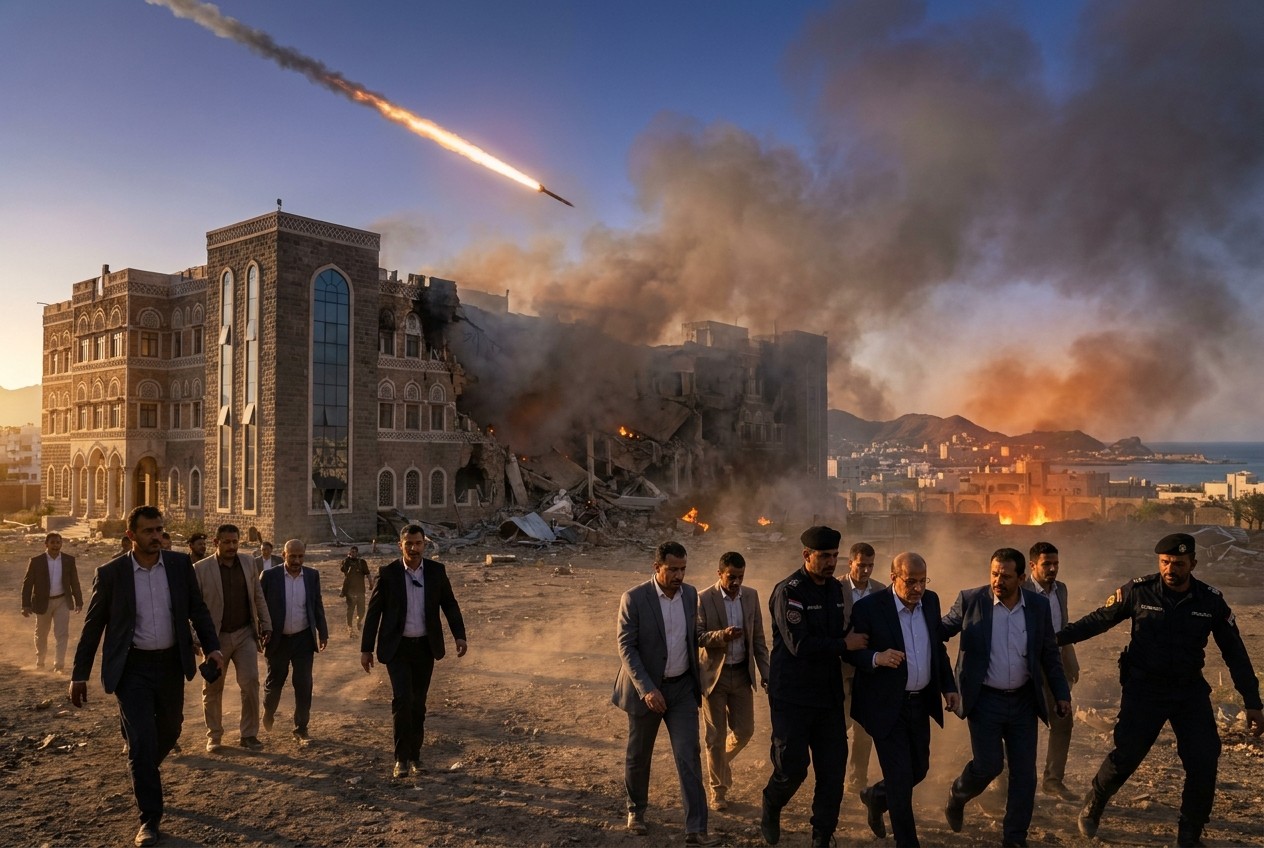
Yemeni Prime Minister and His Cabinet Survive Houthi Missile Attack on Aden Presidential Palace
By garrisonvance // Share