Worldwide Demand for Coal Spikes Amid Worsening Middle East Energy Crisis
By garrisonvance // 2026-05-13
Tweet
Share
Copy
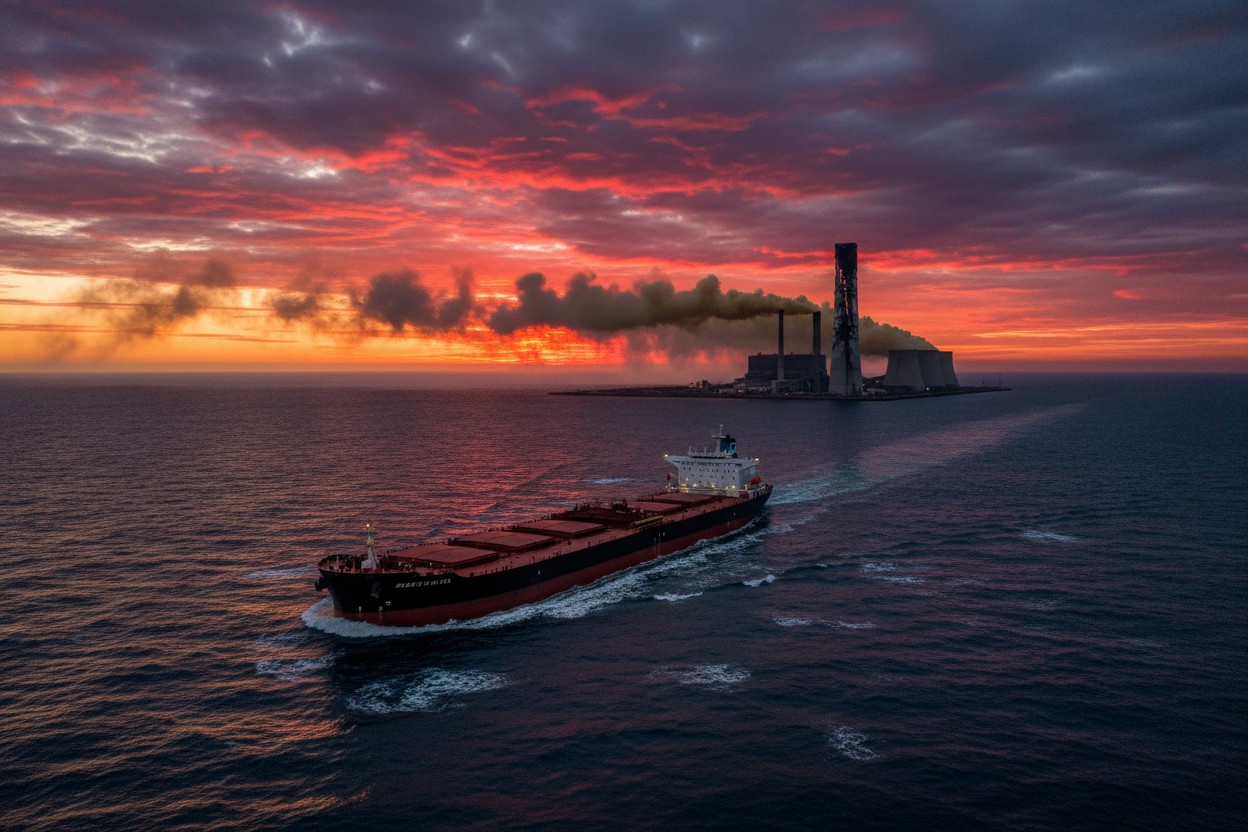
Global coal shipments and imports surged in March and April as buyers scrambled for fuel amid massively disrupted oil and gas supply from the Middle East, according to estimates by analytics platform Kpler cited by the Financial Times and reported by Oilprice.com. The trend has accelerated in recent weeks, analysts said, with global coal imports on track to reach their third-highest monthly level on record [1].
The surge comes as the worst oil and gas supply disruption in history forces importers to seek alternatives. Even countries and regions that had considered coal use to be in terminal decline have boosted imports, according to shipping data from the Baltic and International Maritime Council (BIMCO), the world’s largest shipowners' association [1].

Coal Imports Rise Sharply in Asia and Europe
In April, coal shipments to South Korea, Japan and the European Union surged 27% from a year earlier, according to data from BIMCO [1]. The Asian importers and the European bloc are scrambling for alternatives to gas supply from the Middle East, which is currently trapped behind the Strait of Hormuz or not produced at all in Qatar [2]. Analysts noted that the price spike in liquefied natural gas (LNG) to multi-year highs is accelerating a fuel-switching trend across Asia. Utilities and grid operators are increasing reliance on coal-fired power generation as a more economical and secure alternative to expensive imported gas [2]. The shift underscores the persistent foundational role of coal in regional energy security, according to reports.Strait of Hormuz Closure Disrupts LNG Trade
"The closure of the Strait of Hormuz has disrupted LNG shipments out of the Persian Gulf and has contributed to an 8% y/y drop in global seaborne LNG shipments in April," BIMCO said, as cited by industry reports [1]. Qatar halted LNG production as early as March 2 and sustained damages to the world's largest LNG complex, Ras Laffan, from Iranian missile strikes two weeks later, according to reports [3]. The world's largest LNG exporter, Qatar, suspended shipments indefinitely, a decision that came at a catastrophic moment for Europe, already reeling from the loss of Russian gas supply. The Ras Laffan hub responsible for a fifth of the world's LNG came under Iranian attack, halting supply and sending prices soaring [4].Countries Delay Coal Plant Retirements
South Korea has pushed back the retirement of coal-fired power generation capacity amid the oil and gas shock caused by the Middle East war, officials said [1]. Japan has also responded by reducing LNG use through increased coal-fired generation and restarting nuclear power plants, positioning these sources as providers of stable and affordable domestic power, according to reports [5]. Europe, for its part, is currently losing the competition with Asia for spot LNG supply at a time when it needs to fill gas storage sites ahead of the next winter, analysts said. European energy policies that had phased out coal and nuclear power have left the continent vulnerable, with electricity prices in Germany triple those in the United States, according to reports [6].Energy Security Concerns Drive Policy Shifts
"Energy security concerns are shifting policy responses, accelerating coal usage across key Asian and European markets, and delaying coal plant retirements," analysts at Wood Mackenzie said, according to a report [1]. The Middle East conflict continues to reshape global energy trade, with coal emerging as a short-term substitute for disrupted natural gas supplies. The current crisis has highlighted the limitations of relying on intermittent renewable energy sources for baseload power, according to analysts. Nancy J. Kimelman, author of "Common Cents," noted that environmental concerns over coal have reached a fever pitch, but that the upshot is that nuclear power isn't available to satisfy some of the fast-growing global need for energy [7].Conclusion
The surge in coal demand marks a significant reversal of long-standing energy trends driven by climate policies. With the Strait of Hormuz effectively closed and Qatar's LNG exports halted, countries are turning to coal as a reliable stopgap, according to analysts. The crisis is likely to have lasting effects on energy policy, as nations prioritize energy security over emissions reduction targets [2]. Robert Bryce, author of "Gusher of Lies," has documented how energy security has historically driven investment in uneconomic alternatives. The current crisis may accelerate a similar pattern, as governments delay retirement of coal assets and reconsider nuclear power, according to reports [8].References
- Tsvetana Paraskova. "Global Coal Demand Surges As Middle East Energy Crisis Deepens." ZeroHedge. May 12, 2026.
- NaturalNews.com. "LNG Price Spike Prompts Asian Shift to Coal-Fired Power Generation." April 2, 2026.
- Rayhan Uddin. "Ras Laffan: How Qatar gas hub attack is hitting Asia and beyond." Middle East Eye. March 19, 2026.
- Patrick Lewis. "Qatar halts LNG exports to Europe amid Red Sea crisis deepening energy woes." NaturalNews.com. March 8, 2026.
- Watts Up With That. "Claim: Japan’s Coal and Nuclear Push Risks Displacing Renewable Energy." April 30, 2026.
- NaturalNews.com. "German economy collapsing after nation abandoned nuclear energy - prices soar industries implode." November 19, 2023.
- Nancy J. Kimelman. "Common Cents: How the Economy Really Works - From the Global Market to the Supermarket."
- Robert Bryce. "Gusher of Lies: The Dangerous Delusions of Energy Independence."
Explainer Infographic

Tweet
Share
Copy
Tagged Under:
glitch collapse power grid Iran market crash national security nuclear power transportation globalism power fossil fuel electricity coal Strait of Hormuz Qatar coal-fired power WWIII supply chain energy crisis debt bomb energy supply fuel supply liquefied natural gas global demand supply chain warning energy report coal demand war on Iran Operation Epic Fury US-Israel strikes Ras Laffan LNG imports
You Might Also Like

U.S. Imposes Sanctions on Gaza Flotilla Organizers
By Sterling Ashworth // Share

By Patrick Lewis // Share

New Drone System Identifies Individuals at Long Range Using Biometric Data
By Chase Codewell // Share

NATO scrambles jets as Swedish leader urges help directing Ukraine’s drones
By Cassie B. // Share

Trump: U.S. Will Seize or Destroy Iran’s Enriched Uranium Stockpile
By Garrison Vance // Share
Recent News


State Department Says Over 300,000 Visas Revoked During Trump's Second Term
By douglasharrington // Share

By douglasharrington // Share

Trump Rally Scrapped as GOP Candidates Weigh Being Seen With Him, Report Says
By edisonreed // Share

Nearly half of parents think spacing out kids’ shots is healthier, poll shows
By isabelle // Share