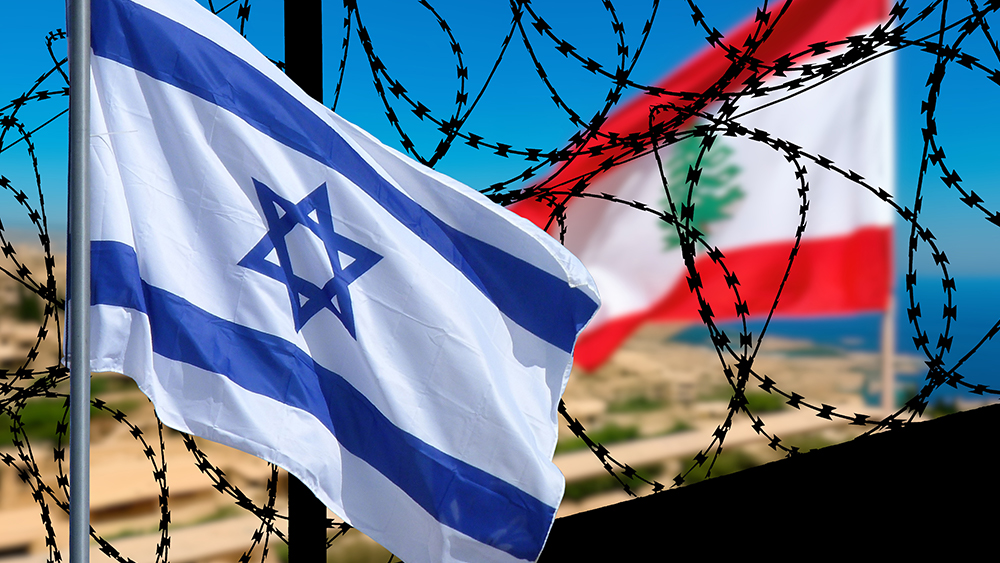
- Israel intensifies airstrikes deep into Lebanon despite a U.S.-brokered ceasefire.
- The attacks target Hezbollah sites but kill civilians and damage homes.
- A UN report notes extensive strikes and potential war crimes since the truce.
- Border residents on both sides live in ruins, feeling abandoned and unsafe.
- The strategy creates a deliberate deadlock, making diplomatic resolution impossible.
A ceasefire in name only
This aggression comes despite a U.S.-brokered ceasefire that has been in effect since November 2024. That agreement was meant to end more than a year of intense conflict that displaced tens of thousands. Yet, Israel has continued to strike Lebanon on a near-daily basis. A United Nations report released in November found that at least 127 Lebanese civilians, including children, have been killed since the ceasefire began. U.N. officials have warned these strikes may amount to "war crimes." Israeli Finance Minister Bezalel Smotrich signaled that the operations are "likely" to continue. "We are enforcing in Lebanon, without compromise, against any Hezbollah armament and any violation of the ceasefire," Smotrich said. He vowed that Israel would not stop until "terror infrastructure" is destroyed. This rhetoric suggests a policy of indefinite military engagement, not diplomatic resolution.The human cost on the ground
The human cost of this unending cycle is etched into the landscape. In the northern Israeli town of Metula, pressed against the Lebanese border, resident Ilan Rosenfeld walks through the burnt-out shell of his cafe. "Everything I had, everything I saved, everything I built – it’s all burned," he said. Forced to evacuate during the war, he returned to find his livelihood destroyed and lives in a shelter next to the rubble. He feels abandoned. "The security situation is starting to deteriorate again," Rosenfeld said. "And where am I in all this? I can barely survive the day-to-day." Metula’s deputy mayor, Avi Nadiv, argues border residents have become Israel’s "human shield." While the government encourages people to return, promising safety and economic revival, the reality is different. Just over half of Metula’s residents have come back to a ghost town with 60% of homes damaged. Farmer Levav Weinberg, who returned with his young children, is skeptical. "The army cannot protect me and my family," he said. This latest military action fits a long-standing pattern where Israel prioritizes force over fulfillment of agreements. It accuses Lebanon of not disarming Hezbollah, yet continues actions that make any such political process impossible. Hezbollah, for its part, refuses to disarm while Israeli strikes and occupation persist. The result is a deliberate deadlock. The strikes also follow the recent Israeli assassination of Hezbollah’s top military commander in Beirut, a major provocation. With Hezbollah still weakened from last year’s fighting, it has not yet responded militarily to this latest barrage, but the tension is palpable. For the civilians caught in the middle, the promises of leaders ring hollow. On one side, Rosenfeld scans a government-distributed list of bomb shelters. On the other, villages in southern Lebanon lie in ruins from Israeli attacks. The ceasefire exists only on paper, shattered regularly by the sound of jets and explosions. The ongoing strikes reveal a fundamental truth often obscured by diplomatic language: peace cannot be built through bombardment. As long as the strategy is one of overwhelming force and rejected agreements, communities on both sides of the border will remain trapped in a nightmare, their dreams of home and security reduced to ashes and unanswered pleas for help. The path Israel is on offers no future, only an endless, destructive present. Sources for this article include: ZeroHedge.com AlJazeera.com APNews.com
U.S. reportedly preparing new SANCTIONS against Russia if Putin rejects peace deal
By Ramon Tomey // Share

Ukrainian public trust in NATO plummets as poll reveals deep skepticism toward U.S.-led alliance
By Patrick Lewis // Share


The silent health saboteur: How mouth breathing undermines your well-being
By Evangelyn Rodriguez // Share

South Africa increases coal exports to Israel amid Colombia’s embargo over Gaza war
By Belle Carter // Share

Bottled water exposed: The hidden dangers of plastic hydration
By Patrick Lewis // Share

IMF Chief Calls for AI Guardrails as Officials Weigh Economic Risks and Opportunities
By edisonreed // Share

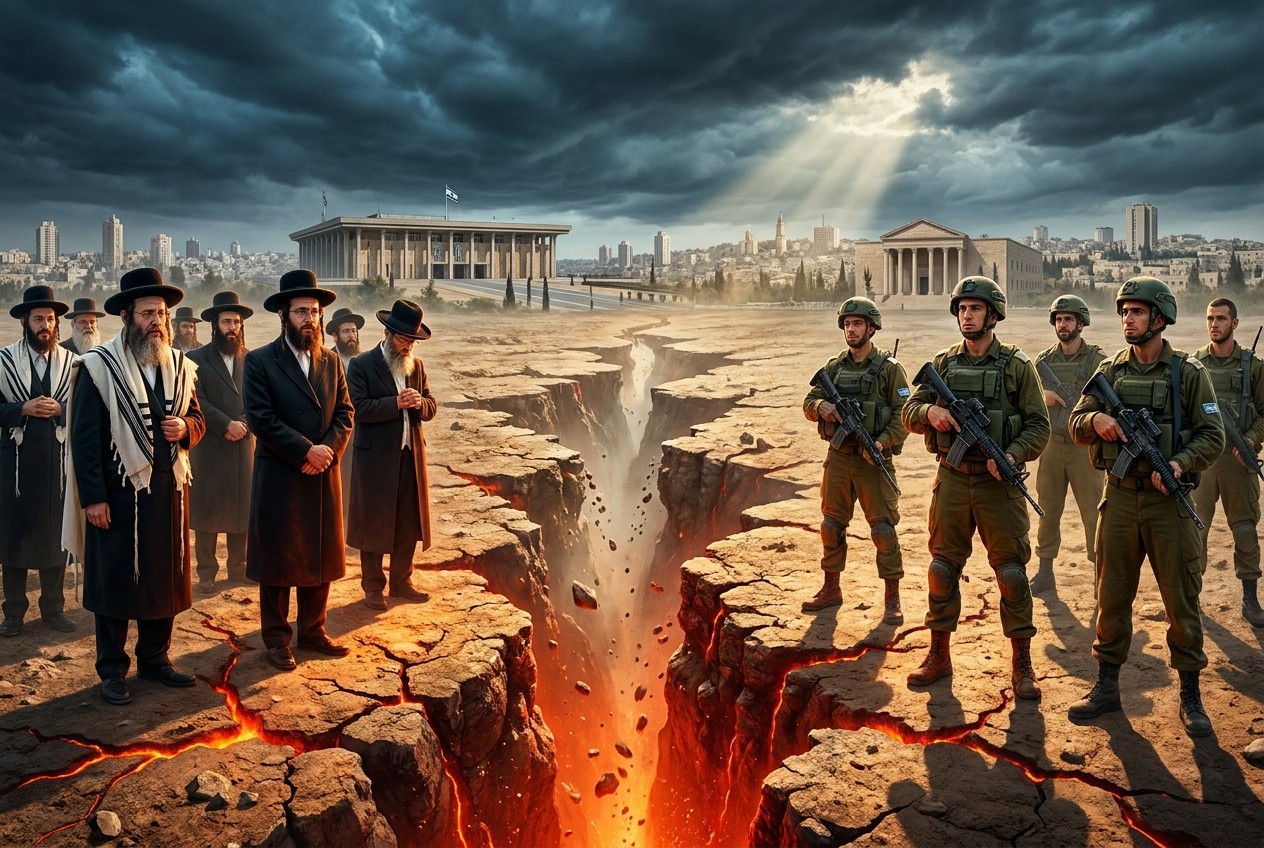
Israel on the Brink? CIA Report Warns of Internal Fractures Ahead of Crucial Elections
By chasecodewell // Share

Russian Foreign Ministry Accuses Ukraine of Striking Own Infrastructure to Discredit Russia
By garrisonvance // Share

Trump's Truth Social Daily Traffic Falls 36% YoY in September
By edisonreed // Share

Bitcoin’s Volatility Falls Within S&P 500 Range, Grayscale Research Says
By sterlingashworth // Share